I was in search
but could not find the missing
until I saw the field of poppies”
―
This post is part of my 33 Days in Europe series. Visit the hub page to follow along, see the full itinerary, and sign up for email updates.
Breakfast and the Road to the Black Forest
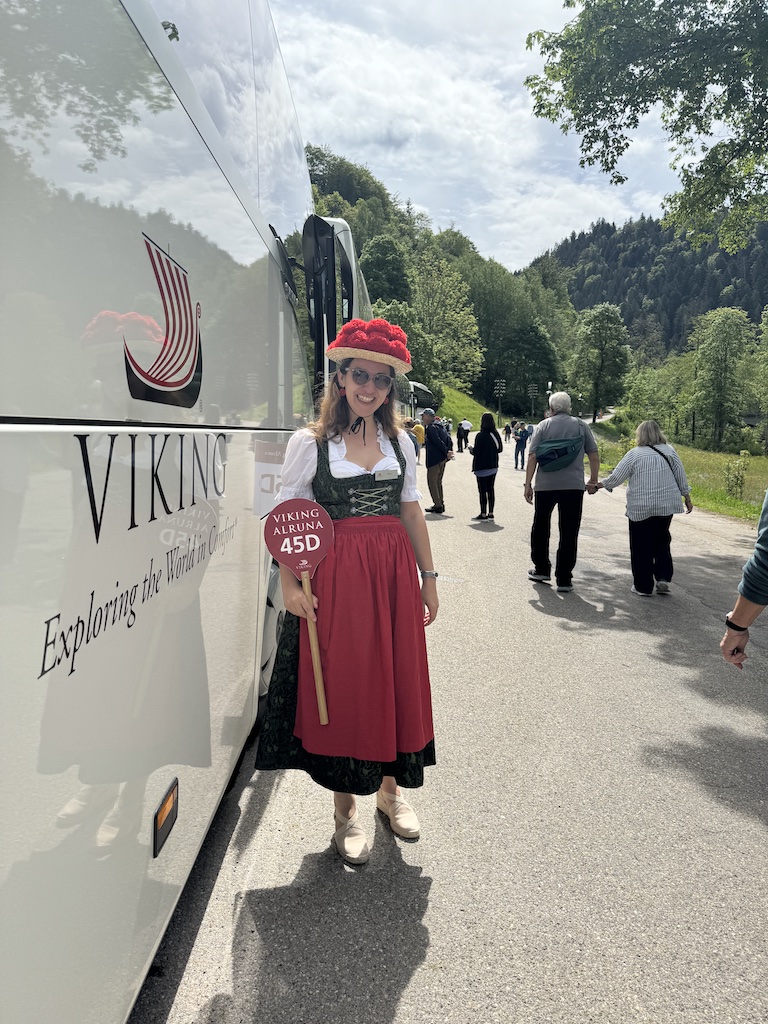
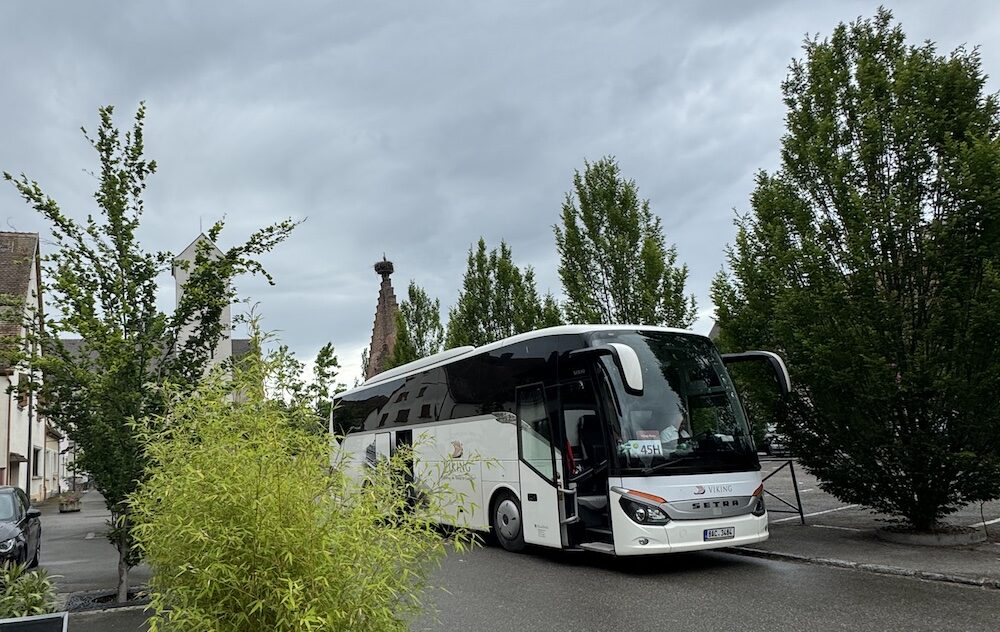
After a delicious breakfast aboard our Viking longship, we set out on our first full day of exploration—technically Day 2 of our eight-day river cruise up the Rhine River from Basel, Switzerland, to Amsterdam. We’d sailed overnight and docked this morning in Breisach, Germany, ready to explore one of Viking’s included excursions: a scenic drive into the storied Black Forest.
The route matters. The Black Forest isn’t just a sea of trees; it’s a region defined by endurance and ingenuity. It’s where cuckoo clocks and the decadent Black Forest cake were born, both products of precision, patience, and pride.
A Detour of Red Poppies
Unbeknownst to us passengers, our drive from Breisach into the Black Forest took an unexpected detour. Our guide told us Viking wanted to show us something special—a stretch of countryside where thousands upon thousands of poppies were in bloom. As we rounded a bend, the bus fell silent except for a few oohs and aahs. Field after field of red rolled beyond the window. That sight, paired with the tour guide’s story, cemented for me that we were passing over hallowed ground—and also that the world keeps turning. No matter the history, no matter the heartache, flowers still rise and bloom.
There’s a lesson in that somewhere.
After World War I, red poppies became a symbol of remembrance because they were often the first flowers to bloom on battle-torn ground. Explosions churned the soil, mixing it with chalk and rubble and raising its lime and nitrogen content—calcium carbonate from shattered stone and buildings, nitrates from decaying shells. The ground was exposed to light, turned over, and newly fertile. And mingled in that soil were the bodies of fallen soldiers, releasing carbon, nitrogen, and other trace minerals that fed the seeds waiting beneath.
In that grim fertility, long-dormant poppy seeds awoke. Those same fields that once held the bodies of the dead—places where so many bled and fell—later filled with red blooms.
I imagine one life for every poppy blooming.
Even now, in nearby towns, shop windows are filled with poppy scarves, mugs, pins, and aprons—small tributes that keep that memory alive. To see them blooming freely here, spilling across the soft dips and folds of the countryside like a red quilt of remembrance along the French–German border, was both haunting and beautiful.
I’ll never look at a red poppy the same again.

This photo captures a vast field of red poppies blooming along the route from Breisach to the Black Forest in southwestern Germany. Poppies are symbolic throughout Europe, especially as remembrance flowers for soldiers who died in battle. During the Colmar campaign of World War II, many soldiers fell across these regions of Alsace, and the red fields became emblematic of both loss and renewal.
The Black Forest and the Cuckoo Clock
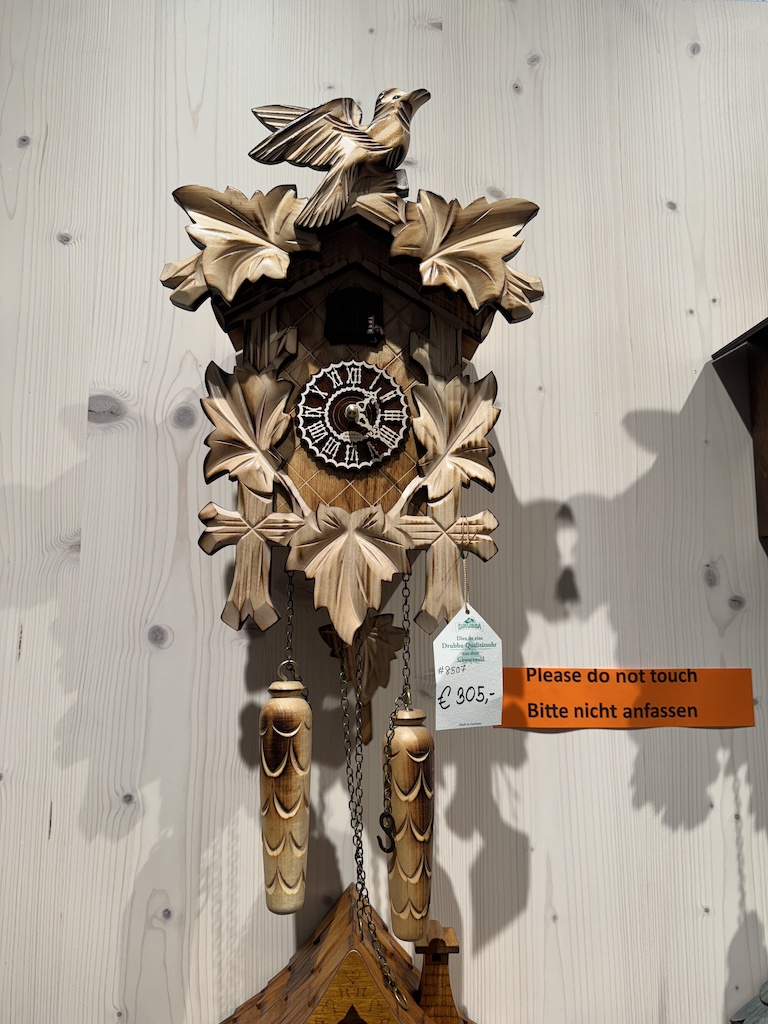
Our Viking excursion took us from Breisach, Germany into the Black Forest — the Schwarzwald — where we stood in front of a cuckoo clock the size of a building. Not “big clock on a shop.” I mean an entire house that was a clock, complete with a wooden bird that pops out and calls the hour. That sounds like kitsch. It’s not. It’s a monument to a culture. Again, the story behind it is what counts.
The Black Forest and the cuckoo clock are inseparable for a reason. In the 1600s and 1700s, families here farmed in warmer months, then faced long frozen winters when there was no field work to be done. Work didn’t stop; it shifted. People turned indoors and carved. They used local soft woods — especially linden — and started making clocks by hand to earn money when the land was sleeping. That winter survival work grew into a cottage industry, then into an identity. The cuckoo clock wasn’t a souvenir at first. It was a livelihood.
Why cuckoo? The Black Forest already had skilled woodcarvers and access to timber, and the region developed its own clockmaking style. One early story credits a clockmaker named Franz Anton Ketterer in Schönwald with engineering a mechanical bird that would pop out and call the hour in a two-tone “cuck-oo.” Historians still argue about whether he personally invented it or just helped perfect it, but either way the association stuck: this is the birthplace of the cuckoo clock in most of the world’s imagination.
By the 1800s, the style evolved into something instantly recognizable: a little house-shaped clock with a sharply pitched roof, carved leaves, birds, deer, oak branches, even hunting scenes. The dangling pine-cone weights. The tiny door that snaps open. The bird that announces the hour. If you picture that classic chalet-style cuckoo clock right now, you’re picturing the Black Forest. That look became the regional signature.
And it didn’t stay local. These clocks were exported everywhere. What began as farmers whittling away the winter months to earn extra income grew into global demand for Black Forest clocks. The region got known — and paid — for its craftsmanship. Over time, that reputation became so strong that the area now has an official certification group, the Black Forest Clock Association (Verein die Schwarzwalduhr, or VdS). They authenticate that a clock is a true mechanical cuckoo clock made in the Black Forest and not a knockoff stamped out somewhere else. That tells you how serious this is. It’s not just “cute German clock.” It’s protected cultural work.
This tour was included in Viking’s cruise, so why not go? I’m so happy I did. It’s a beautiful drive, especially with the spectacular red poppy bloom, green pastures, and stunning forest.
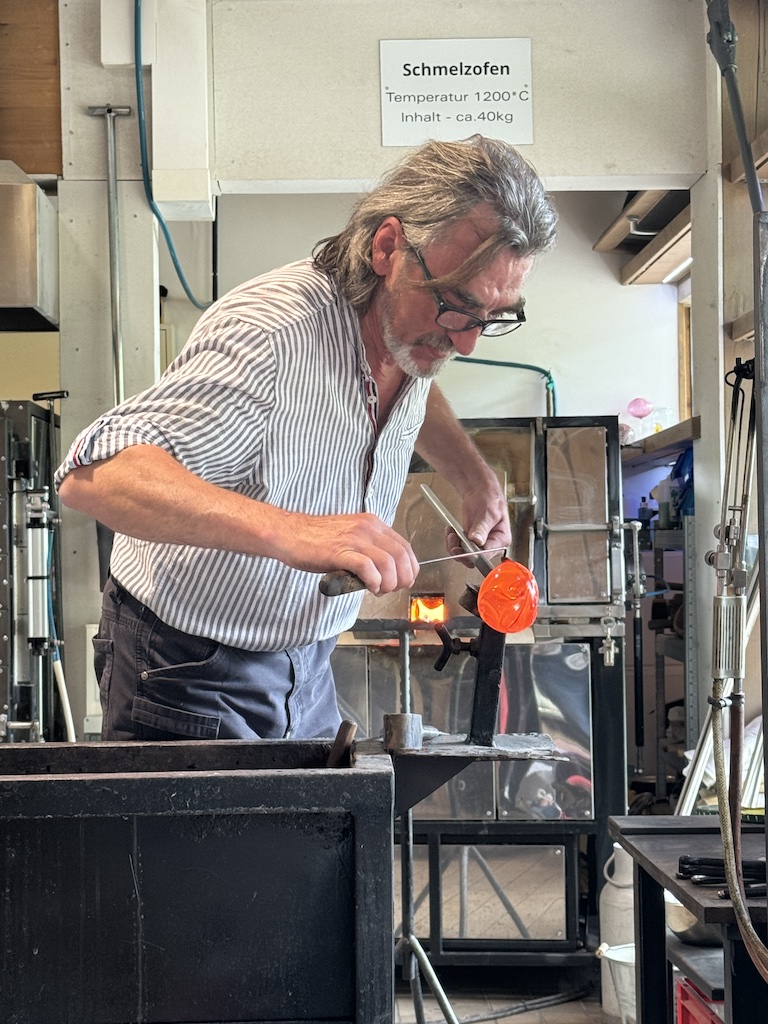
Click (or tap) any photo to open the gallery, see the full image, captions, and scroll through the set.
How Guided Tours Won Me Over
I always thought I wouldn’t like a guided tour, but Viking changed my mind about that. The guides—some with Ph.D.s in History—share rich context and meaning alongside the beautiful views of the regions they know so well. Sure, it’s a cuckoo clock or a poppy field—stunning on their own—but coupled with the stories and symbolism, it becomes something unforgettable.
We returned to the longship for lunch and then set out again for the afternoon tour.
The Colmar Pocket Tour
During our research for the trip, we learned that the Colmar Pocket Tour was one of Viking’s most coveted excursions—and we were thrilled to secure a spot before it sold out. We paid extra for this tour and, like so many others, highly recommend it.
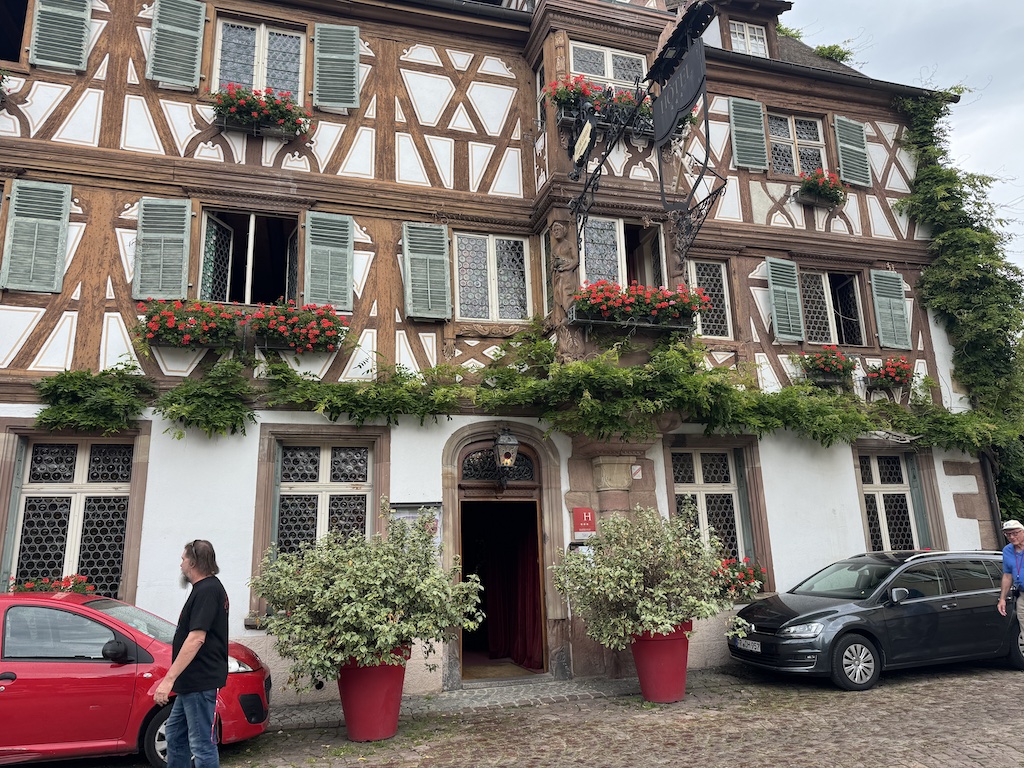
First came Colmar itself—storybook streets lined with centuries-old timbered houses, each one trimmed with flowers and color.
Colmar Pocket Memorial Museum — Turckheim, Alsace
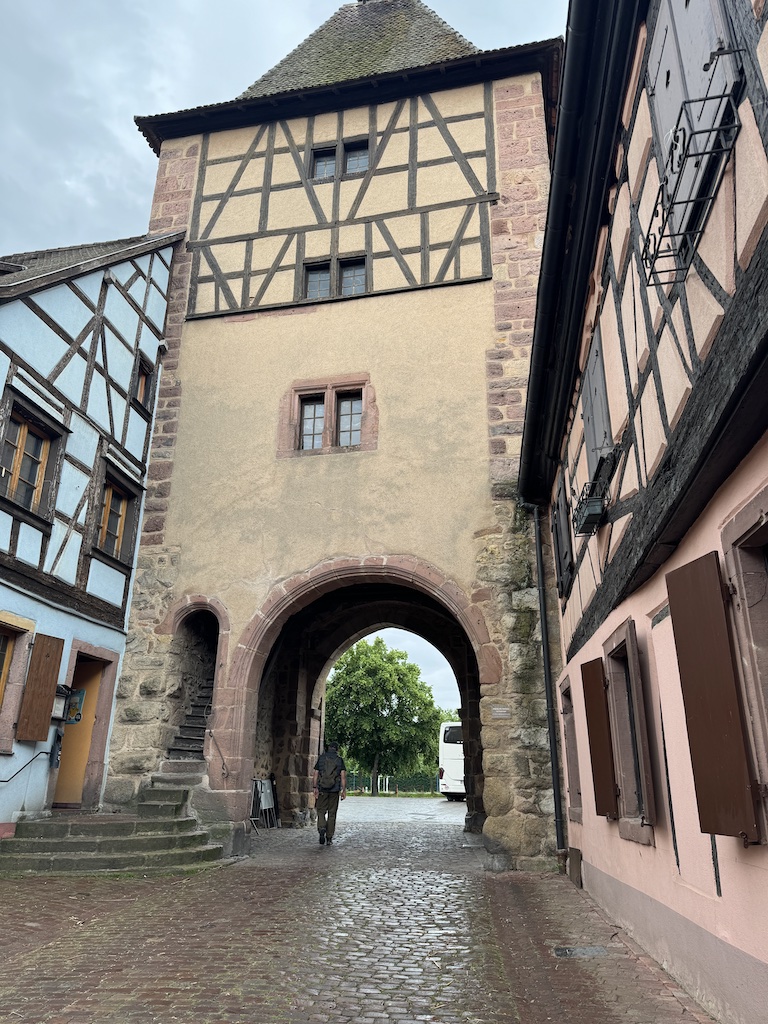
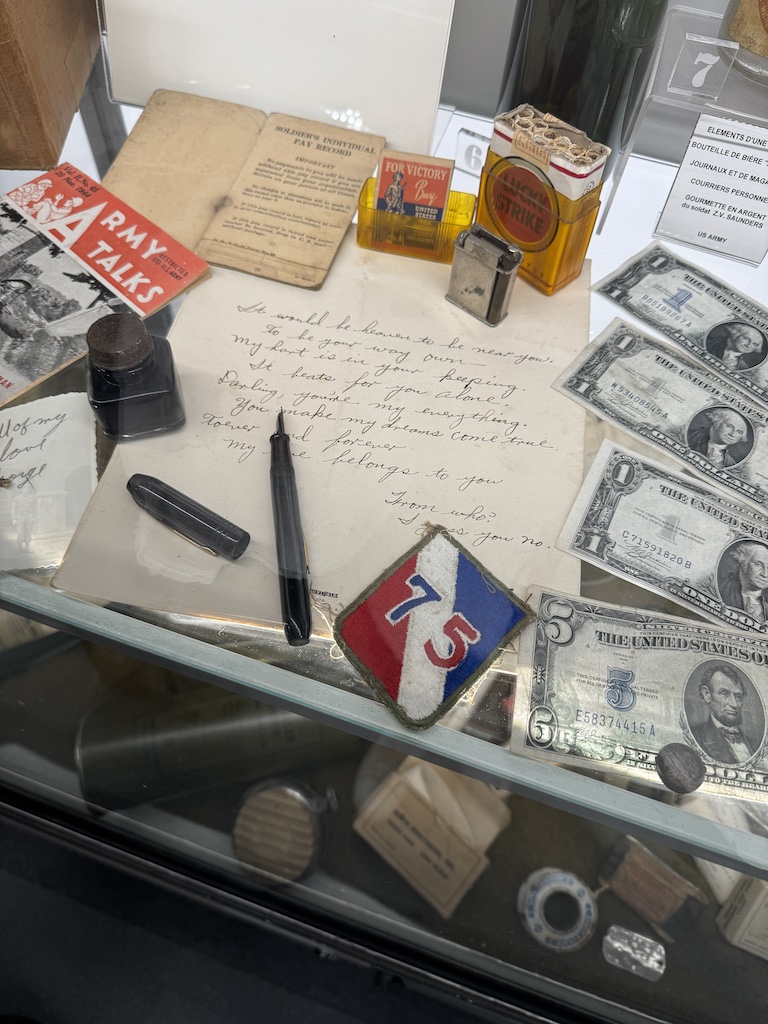
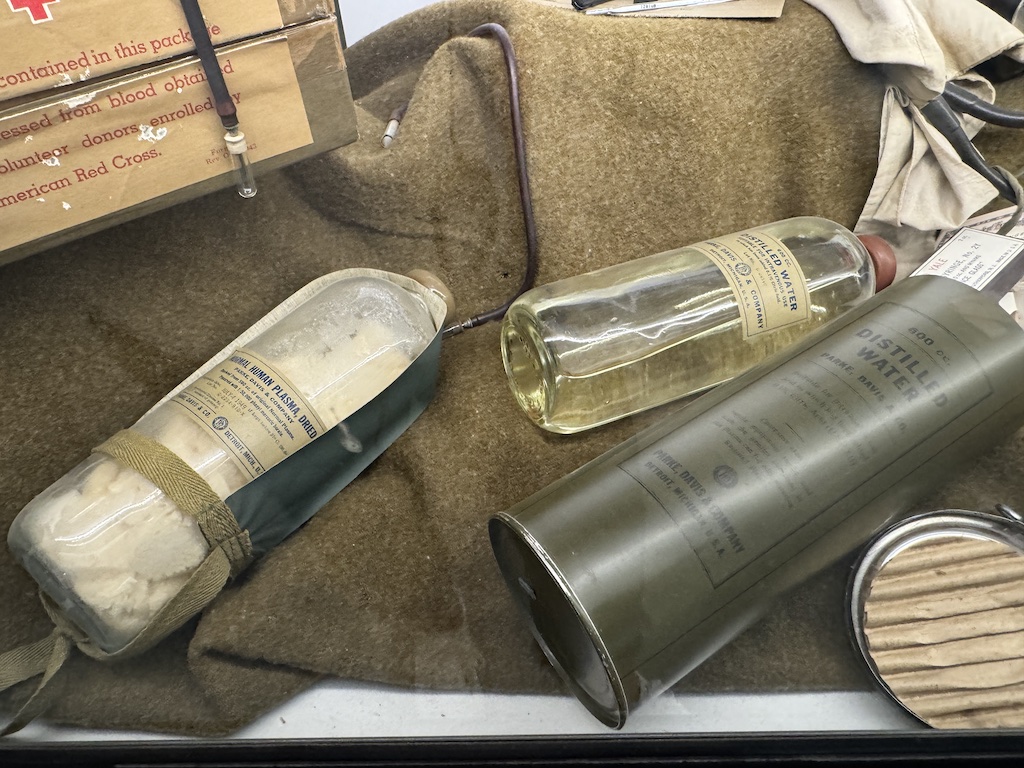
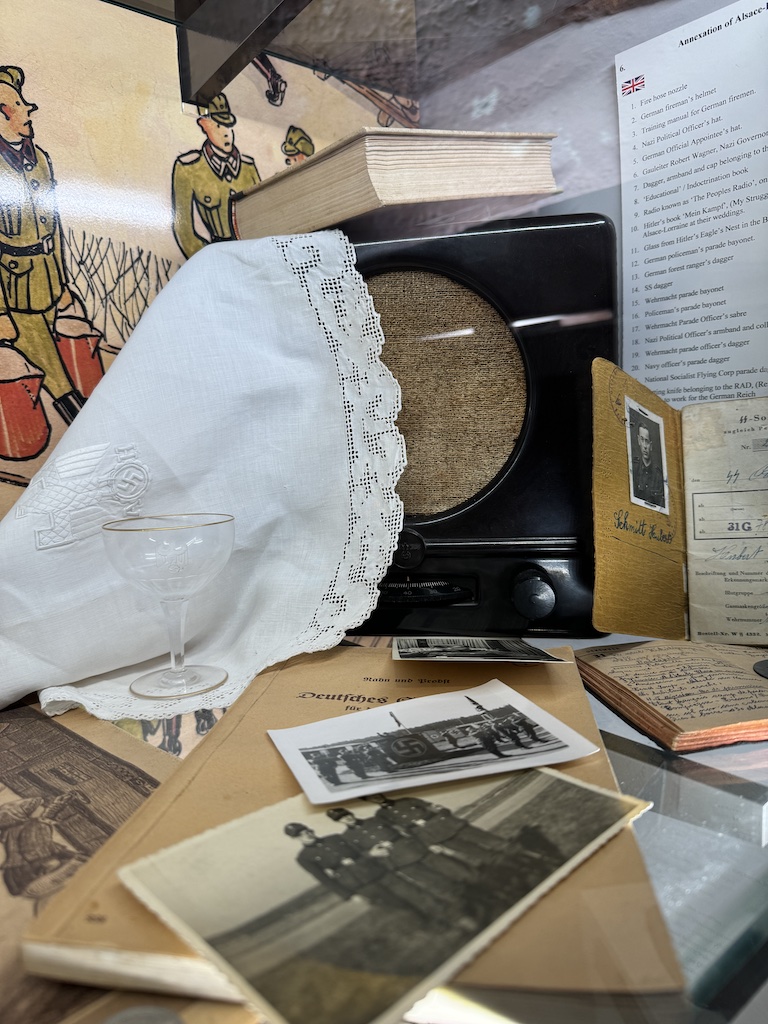
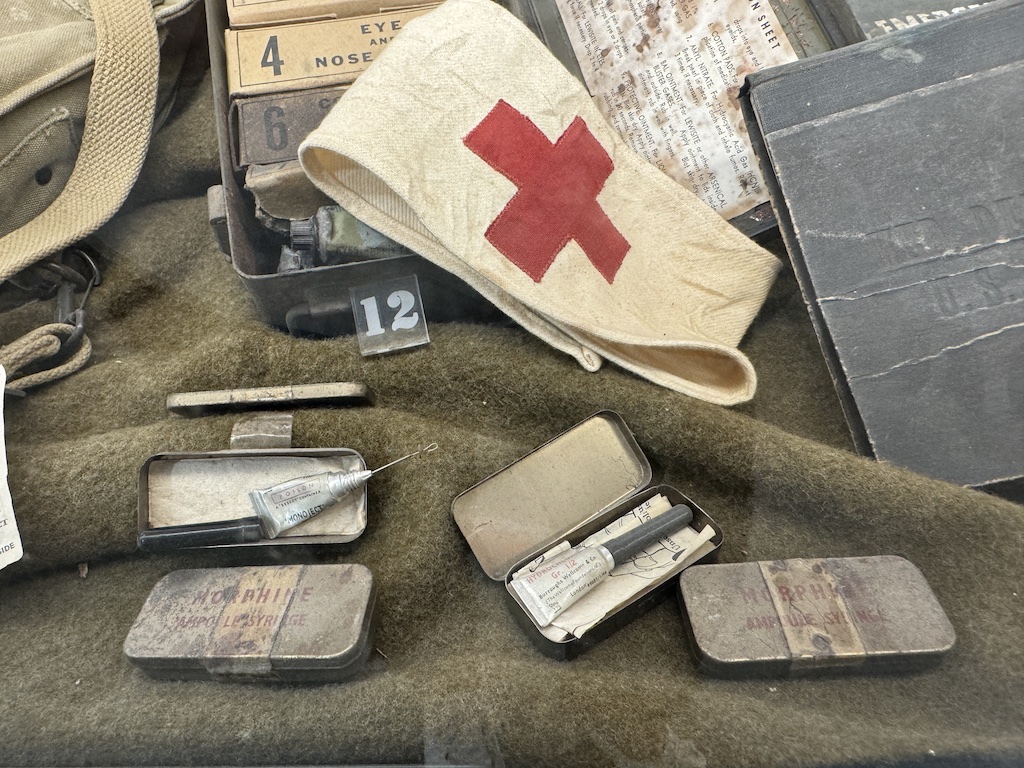
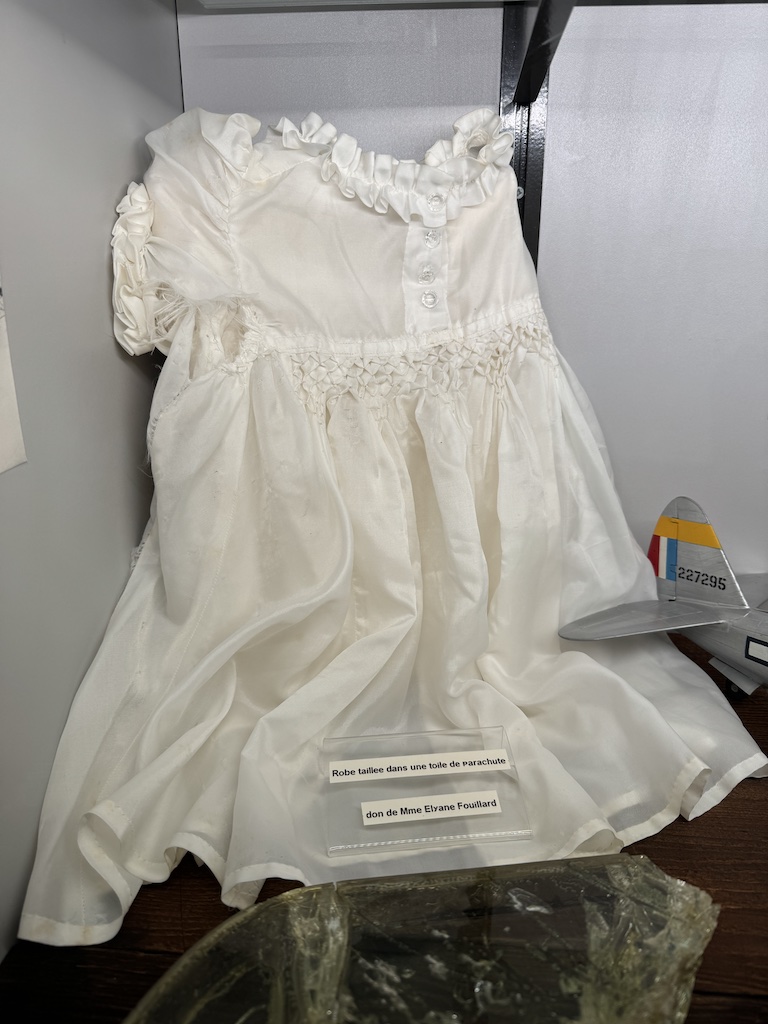
Our next stop was the Musée-Mémorial des Combats de la Poche de Colmar in Turckheim—a small but powerful museum dedicated to the final battle that liberated Alsace. The exhibits bring that chapter to life: maps, uniforms, photographs, and personal artifacts from both Allied and German soldiers.
Inside, I found the collection spellbinding. A baby’s dress sewn from a silk parachute. A piece of cut crystal once owned by Hitler—recovered from his most coveted retreat, the Eagle’s Nest. Rusted helmets. Family letters. Each display pulls the war out of abstraction and anchors it in real people’s hands.
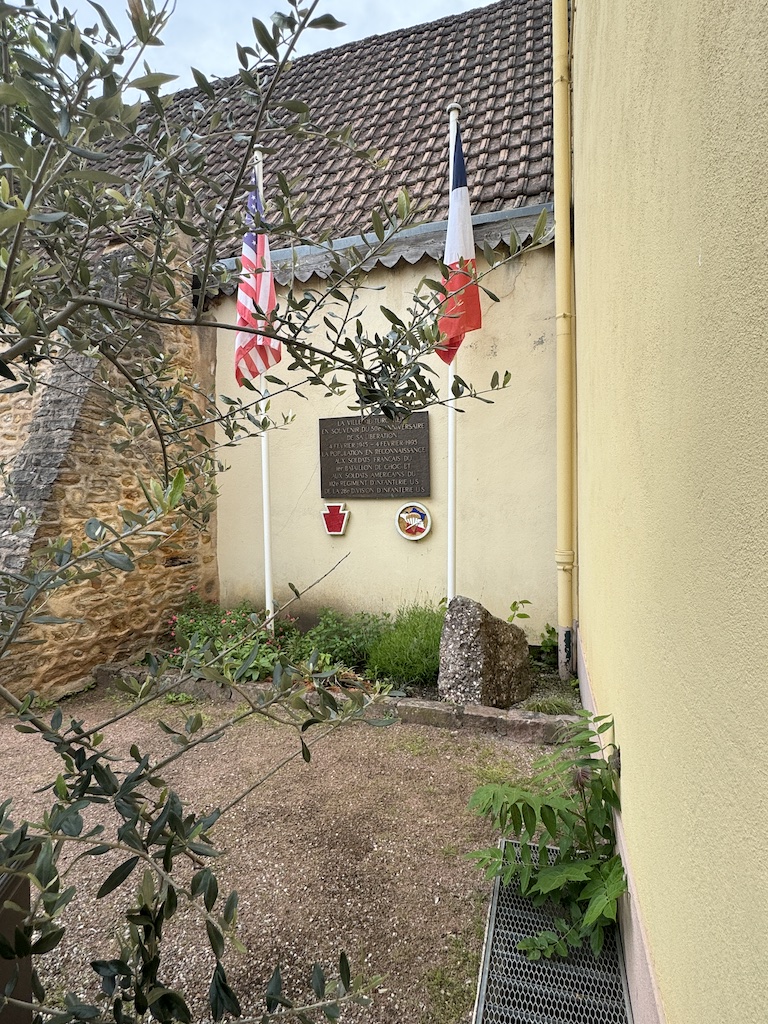
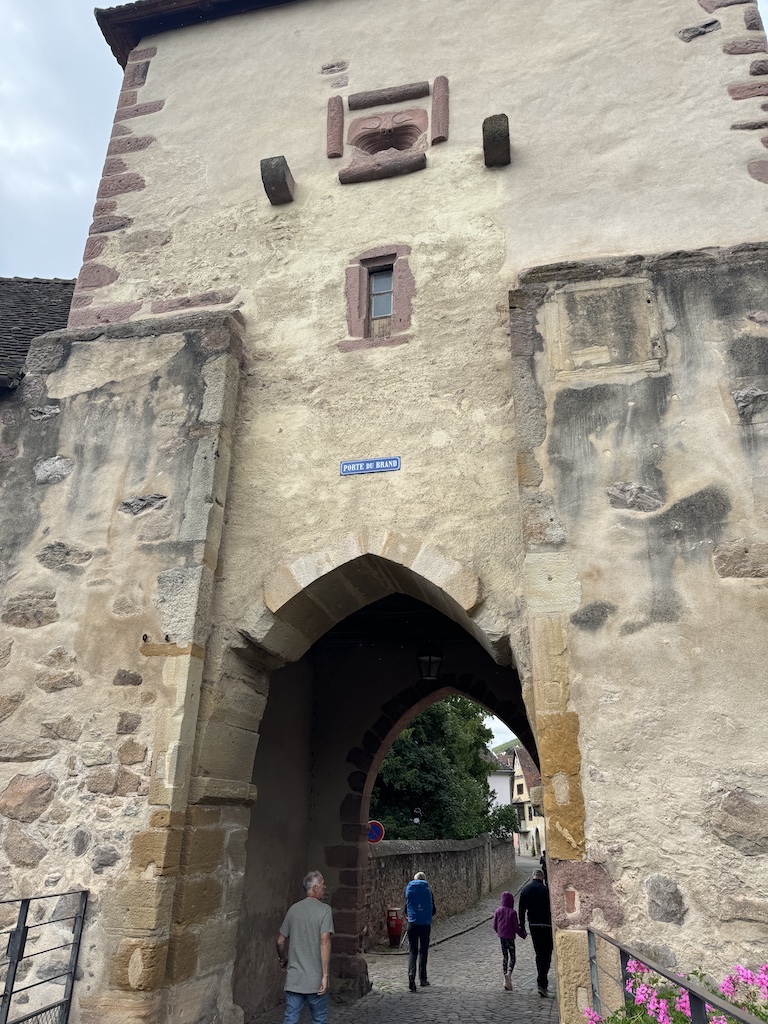
Outside, a bronze plaque marks the 50th anniversary of Turckheim’s liberation, dated February 4, 1945 – February 4, 1995. It honors the French 1st Shock Battalion and the American 112th Infantry Regiment of the 28th U.S. Infantry Division, whose red keystone emblem appears beside a French commando badge. It’s small and easy to miss, but it says everything the people here needed to say: we remember who came, and from where.
Click (or tap) any photo to open the gallery, see the full image, captions, and scroll through the set.
The Beloved Storks of Alsace
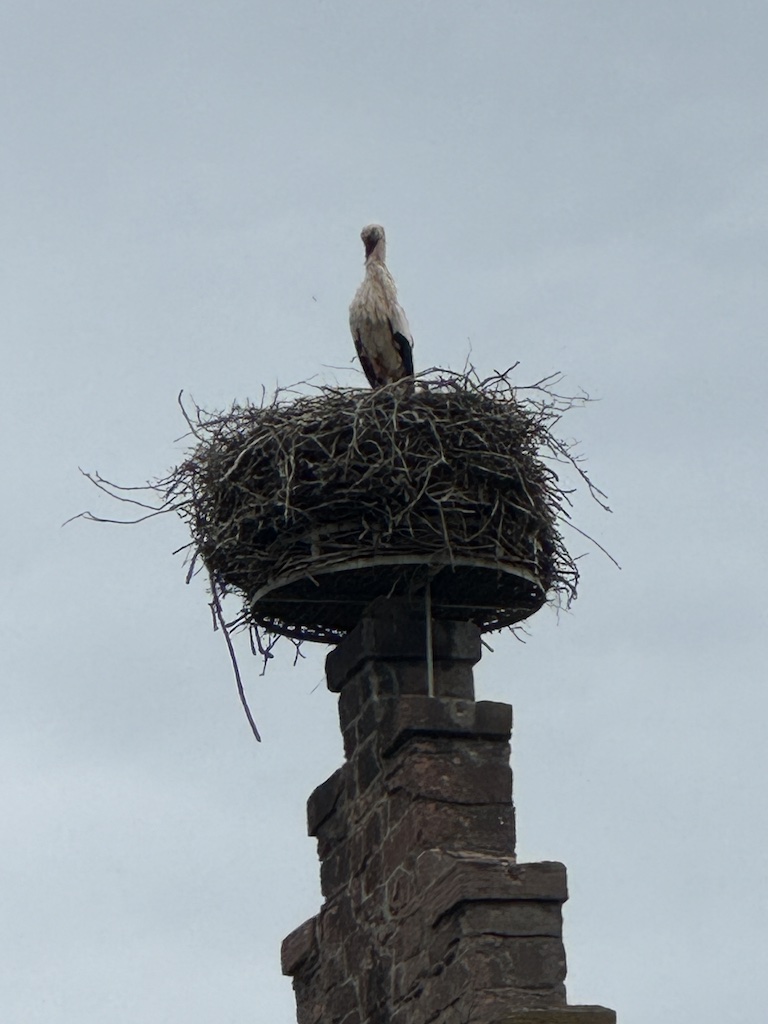
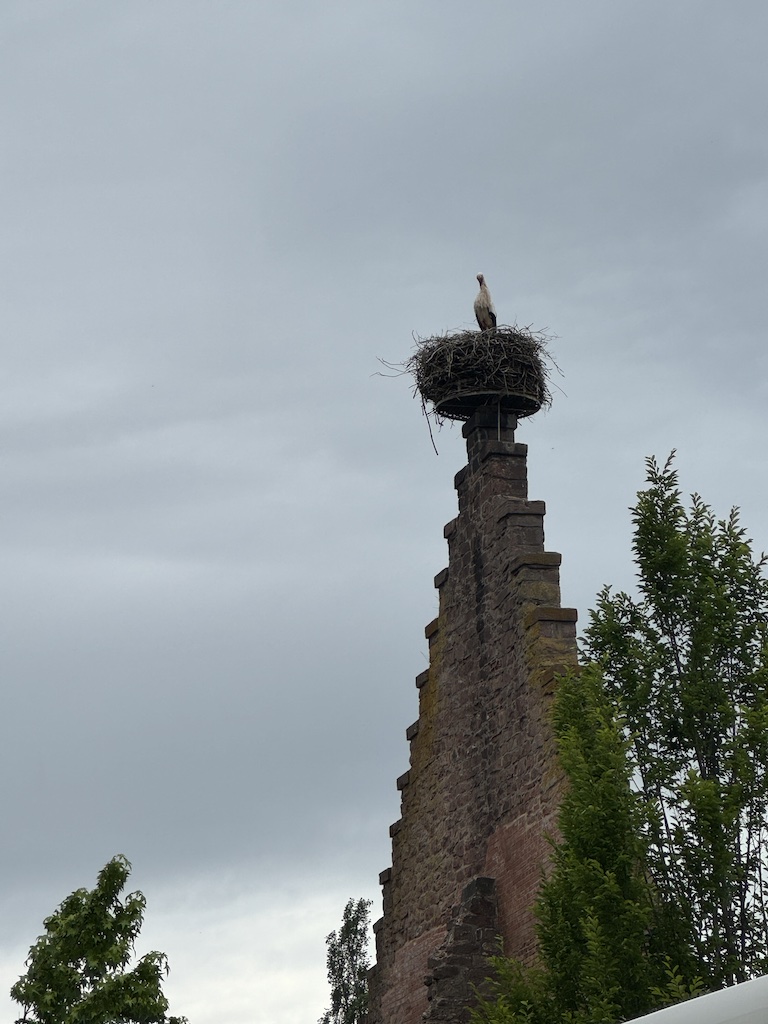
They’re everywhere in Alsace if you know where to look—enormous nests perched on rooftops, gables, and church towers, balanced on metal platforms made just for them. The white stork, with its long crimson legs and black-rimmed wings, isn’t just another bird here. It’s family.
In the mid-1900s, the stork nearly vanished. Pesticides, drought, and power lines pushed the population to the brink—only nine nesting pairs remained in all of Alsace. The loss was ecological and emotional.
For locals, the stork carries layers of meaning:
-
A harvest omen and herald of spring — its return each March signals renewal and new growth.
-
A figure of folklore — rebirth, fidelity, and prosperity; the messenger of new life.
-
A gesture of co-existence — building and protecting nests became an act of stewardship, a promise to share the rooftops of the world.
The people of Alsace did something remarkable—they brought them back. Conservationists built safe nesting platforms. Villagers protected returning pairs. Schools taught children to look up each spring. Rooftops filled again.
Today hundreds of storks nest freely across the region—from Strasbourg to Colmar to small towns like Sigolsheim, where I photographed one standing proudly on a stepped-gable tower. The platforms are now part of the skyline, as intentional as half-timbered homes and window boxes spilling with geraniums.
Click (or tap) any photo to open the gallery, see the full image, captions, and scroll through the set.
We paused for refreshments in a cozy pub that opened just for our group—beer, wine, and hot chocolate—then the tone shifted. The bus began its climb into the hills.
Audie Murphy — America’s Most Decorated Soldier
If you grew up hearing the name Audie Murphy, you might think movie star before soldier. I did. I had no idea of his contribution to the world.
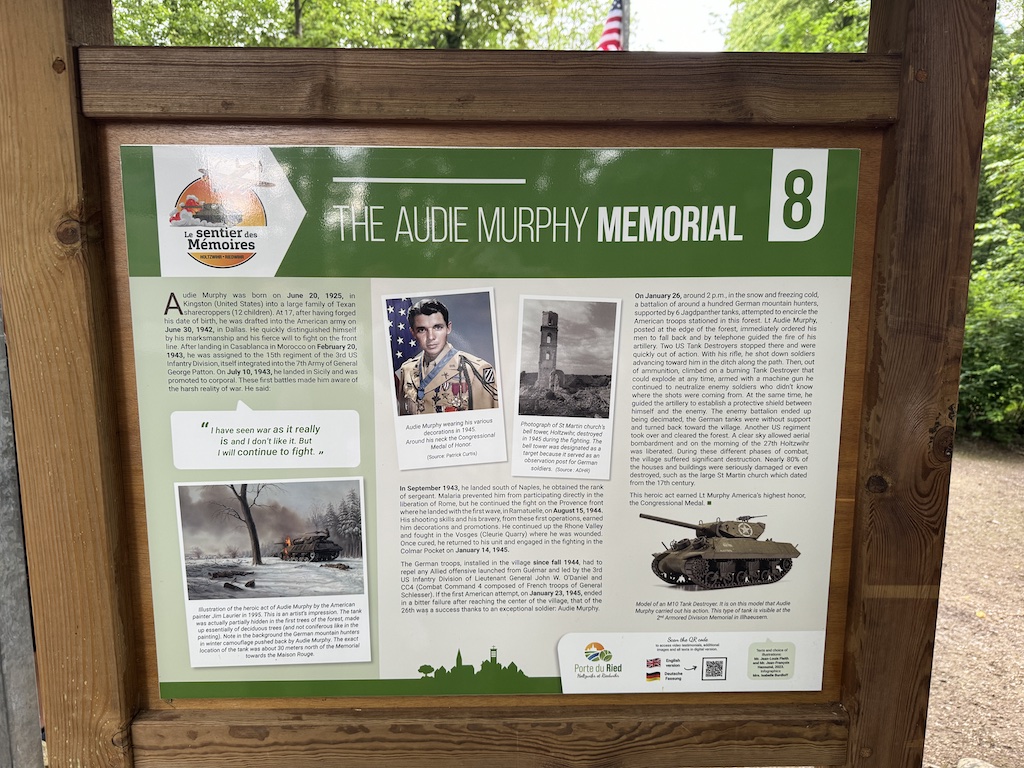
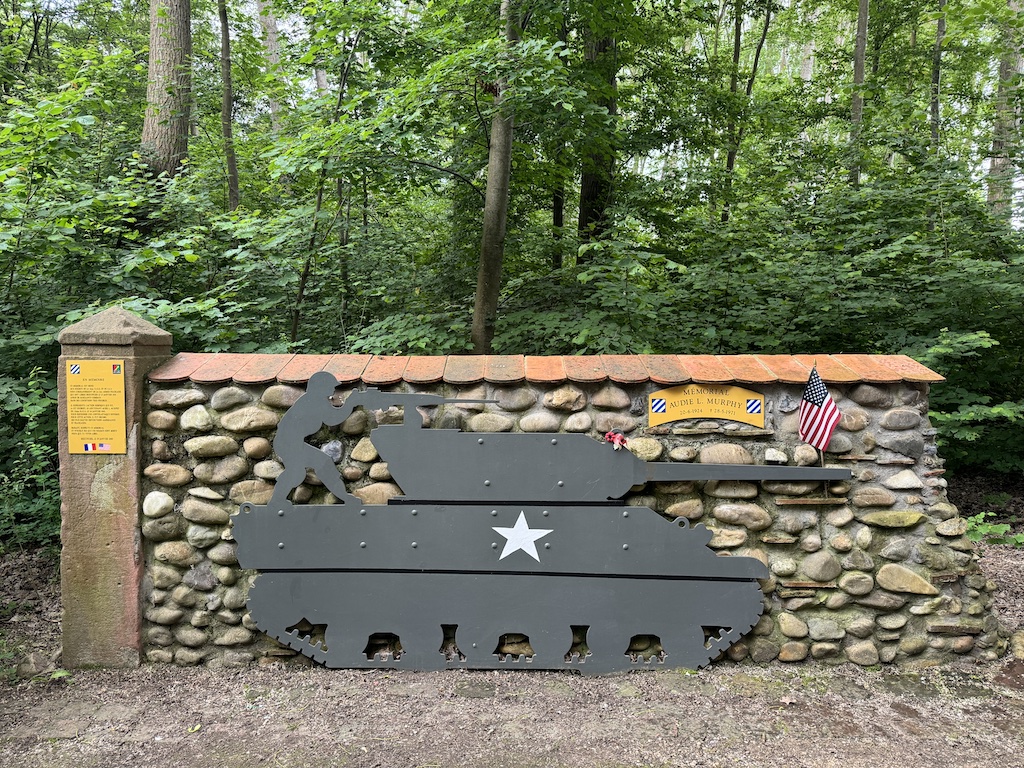
At the site near Holtzwihr, Alsace, our guide told the story with such vivid detail that I could almost see it. It was January 26, 1945—deep winter. The fields were covered in snow, the air thick with smoke and frost. Six German tanks and hundreds of German infantry advanced across the frozen vineyards. Murphy—just nineteen, five-foot-five, and barely 110 pounds—ordered his men to retreat to the woods, not in surrender but to regroup and form a new defensive line. Then he stayed forward alone.
Beside him, an American M10 tank destroyer was struck by artillery and burst into flames. Despite being wounded in the leg, he climbed onto the burning tank, took control of the .50-caliber machine gun, and began firing. Half his body was exposed above the wreckage, his uniform soaked with blood and melting snow. For more than an hour, he held his ground, killing fifty German soldiers and halting their advance. Amid the chaos, he used a radio to call in American artillery and air support, guiding fire with deadly precision until reinforcements arrived.
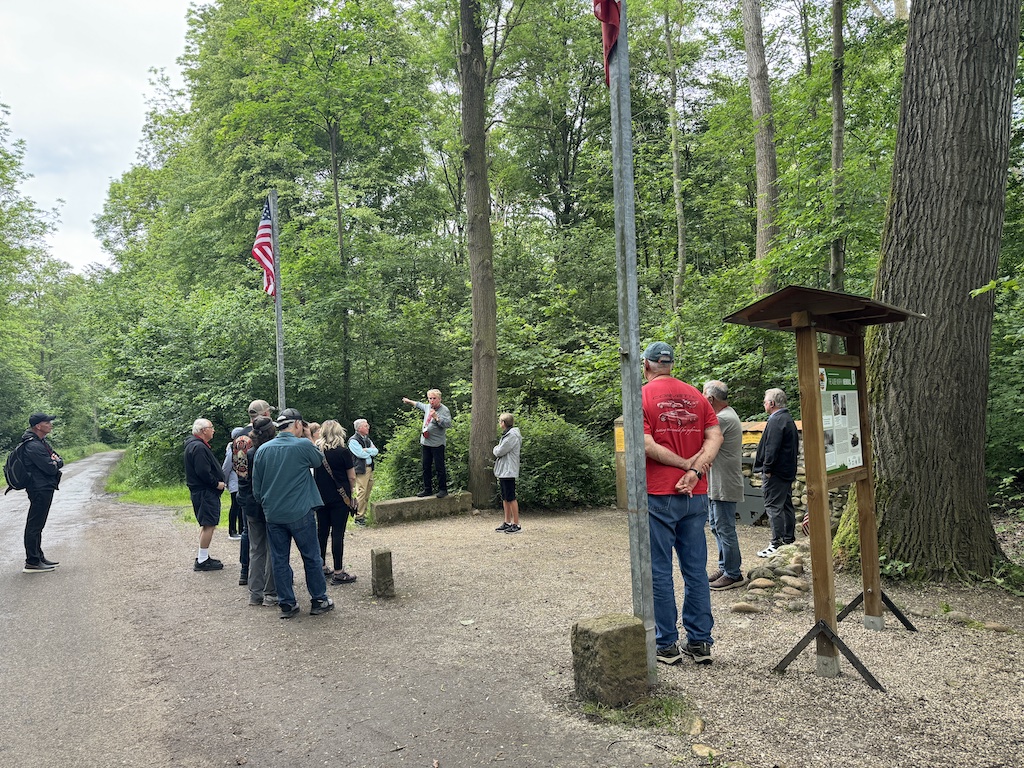
Our guide—an apt storyteller—stood on a concrete base, sweeping his arms wide to mimic the low flight path of the American plane that came roaring over the trees at the last moment.
When the smoke finally cleared, the ground was littered with the enemy he’d held back alone. Then—because there was still a battle to win—Murphy climbed down, refused evacuation, and led a counterattack that drove the remaining Germans from the field.
A few people in our group wiped away tears.
I understood why. The same hills where Murphy once fought in snow and smoke now shimmered in sunlight. A slight breeze danced with the tree leaves, and the sway of the branches felt glorious in that moment—peaceful, free. Birds chirped happily, and the safety I felt calmed me with gratitude. This battle truly made a difference in the war and in the world’s victory over evil.
Click (or tap) any photo to open the gallery, see the full image, captions, and scroll through the set.
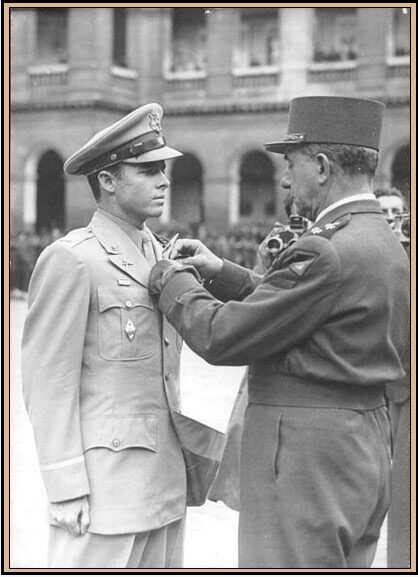
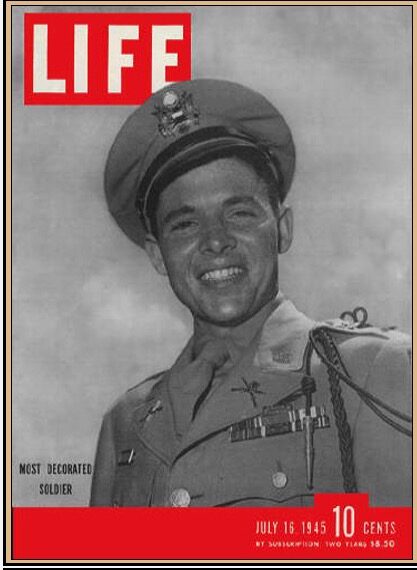
The Man Behind the Legend
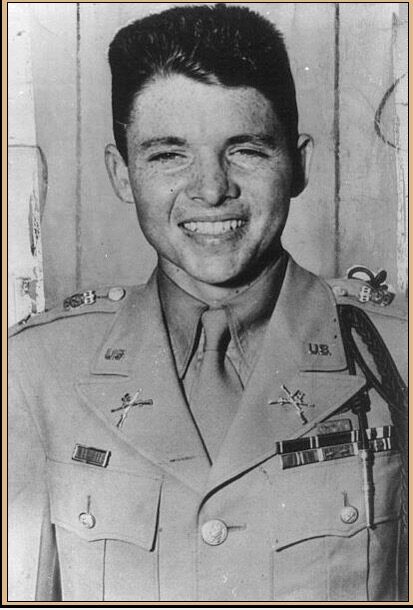
Audie Leon Murphy was born June 20, 1925, near Kingston, Texas. He was the seventh of twelve children in a struggling family of sharecroppers. His father left when he was young, his mother died in 1941, and he dropped out of school in fifth grade to help support his siblings. Barely 5’5″ and 110 pounds, he tried to enlist after Pearl Harbor but was rejected at first for being underweight and underage; eventually he joined the U.S. Army in June 1942.
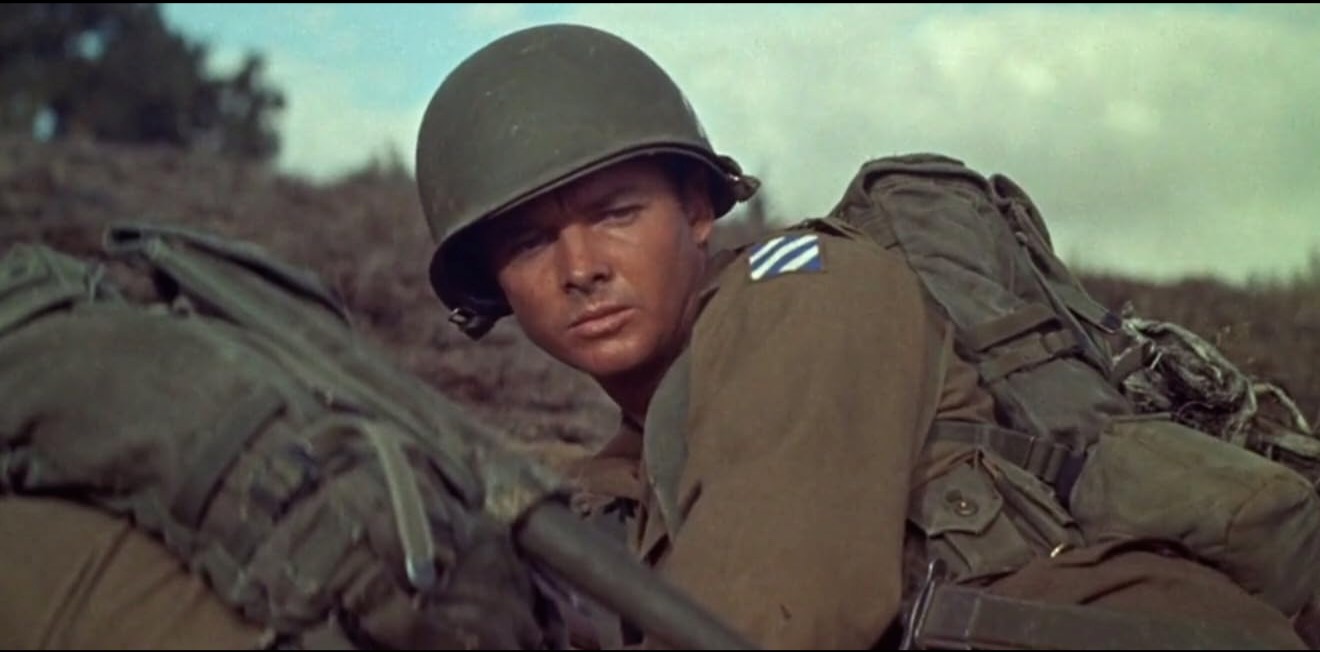
Murphy served in the 15th Infantry Regiment of the 3rd Infantry Division, fighting across North Africa, Sicily, Italy, southern France, and into Germany—including the January 1945 battle near Holtzwihr that earned him the Medal of Honor.
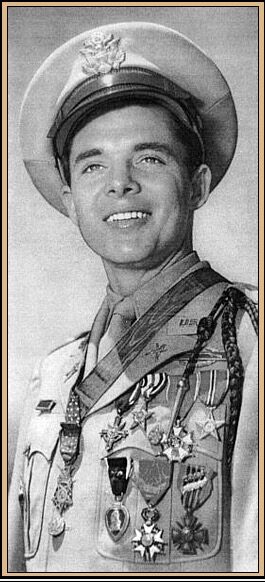
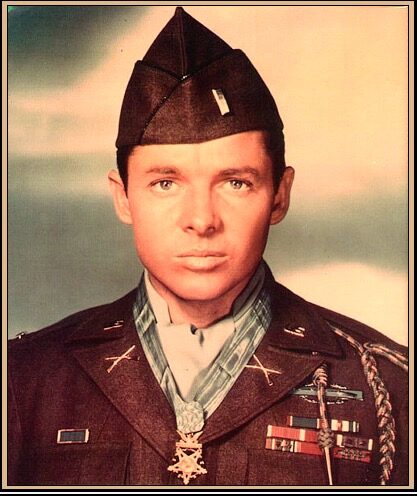
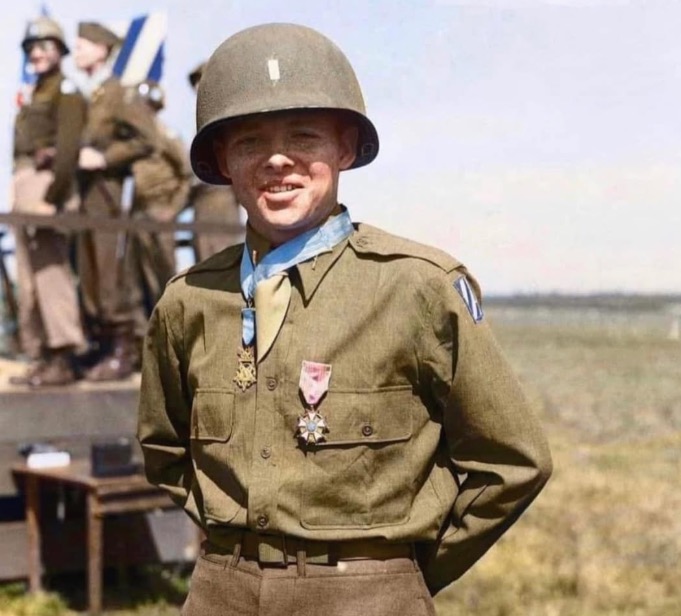
In just over thirty months of combat, Murphy rose from private to second lieutenant, earning thirty-three medals and citations from the U.S., France, and Belgium. Among them: the Medal of Honor, Distinguished Service Cross, two Silver Stars, the Legion of Merit, and two Bronze Stars, along with three Purple Hearts for his wounds.
From France he received the Croix de Guerre with Palm—one of that nation’s highest awards for bravery in combat, given only to those cited at the army level for acts of heroism under fire. He was also made a Chevalier of the Legion of Honor, France’s highest order of merit, reserved for those who distinguished themselves through courage or service to the nation.
From Belgium, he received another Croix de Guerre, their own medal for extraordinary valor on Belgian soil.
These weren’t ceremonial gestures. Foreign governments reserve such honors for soldiers who played a decisive role in their liberation. In other words, Murphy wasn’t just America’s hero—he was recognized by Europe itself as one of the men who helped set it free.
To this day, no American soldier has surpassed his combination of U.S. and foreign honors. Most soldiers never see combat at all. Few survive multiple campaigns. Murphy—barely out of his teens—fought through five invasions across two continents. He was wounded three times and still kept going.
I don’t know what bravery is; sometimes it takes more courage to get up and run than to stay. You either just do it or you don’t.
—Audie Murphy
Click (or tap) any photo to open the gallery, see the full image, captions, and scroll through the set.
Why the battle and the honor matter
- Tactical significance: It wasn’t just a skirmish. The Colmar Pocket was Germany’s last foothold in France west of the Rhine. Taking this ground meant everything—France wasn’t truly free until it was reclaimed. The victory opened the way for the Allied push across the Rhine and into Germany, setting the course for the war’s end in Europe.
- Symbolic significance: Murphy’s stand near Holtzwihr became the embodiment of that turning point—a nineteen-year-old Texan, just 5’5″ and 110 pounds, holding the line alone in freezing vineyards, wounded but unyielding, facing six German tanks and hundreds of infantry. His defiance symbolized the grit and sheer tenacity of Allied troops fighting winter warfare in the Vosges and Alsace—wooded hills, mud, snow, and an enemy ordered to hold “to the death.” It showed how one soldier’s bravery could lift morale and steady entire units.
- Cultural significance: His bravery became legend—a single man’s defiance that lifted morale across an army. Murphy’s story resonated far beyond that frozen vineyard, echoing through America and across Europe. He became the bridge between everyday citizen and extraordinary hero—a farm boy turned leader whose courage helped liberate a continent. His honors came from three nations—the United States, France, and Belgium—each recognizing that his stand helped free their soil.
Post-war Life and Hollywood
After the war, Murphy didn’t fade into obscurity. Instead, he was encouraged to try Hollywood by actor James Cagney, who saw something magnetic in the young veteran and invited him to Los Angeles. What began as a long shot turned into a second career.
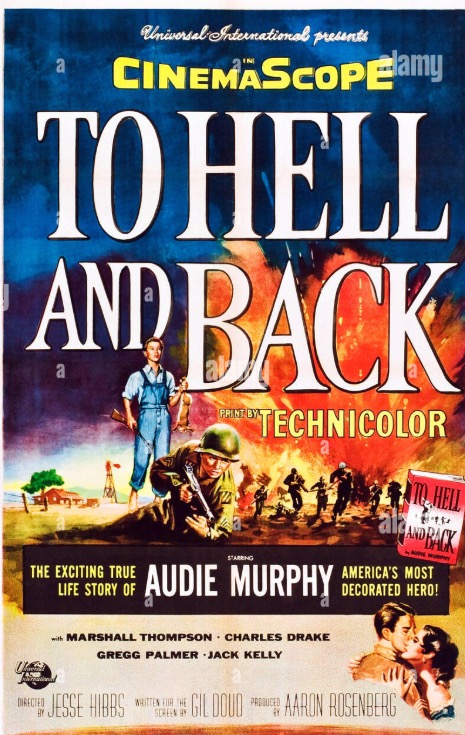
Between 1948 and 1969, Murphy appeared in more than forty films, many of them Westerns. His quiet intensity and authenticity on screen set him apart—he wasn’t acting courage; he’d lived it. In 1955, he starred as himself in To Hell and Back, the film adaptation of his own memoir. The movie softened much of the horror he described in the book, but audiences connected with his honesty and understatement. The film became Universal Pictures’ highest-grossing release of its time, a record it held for twenty years.
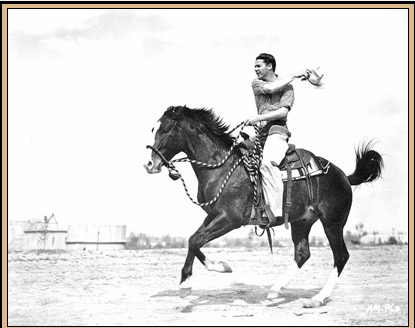
Murphy insisted on doing his own stunts, learning to ride with near-obsessive precision. He didn’t just become competent—he became one of Hollywood’s most respected horsemen, known for his balance, posture, and control. Other actors studied his technique; directors praised his realism. He trained until he could match or surpass professional stunt riders, earning a reputation for both courage and skill in front of the camera.
Behind that composure, though, the war never left him. Murphy struggled deeply with post-traumatic stress disorder (PTSD)—a term that didn’t even exist yet. Back then, it was called “battle fatigue.” He suffered from insomnia, nightmares, and bouts of depression, sleeping with a loaded pistol under his pillow. But rather than hide it, he spoke openly about his condition—a radical act for the 1950s. He used his platform to advocate for better mental health care for veterans, helping to break the silence around combat trauma at a time when few dared to speak of it.
He also wrote poetry and collaborated on songs that touched on his wartime experiences, often reflecting the emotional toll behind the medals. Those who knew him said he remained humble, loyal, and haunted. His film career brought a different kind of recognition for his bravery—not the medals of a soldier, but the empathy of a man trying to live with what he’d survived.
Click (or tap) any photo to open the gallery, see the full image, captions, and scroll through the set.
The Legacy
-
Legend. One of the most decorated soldiers in U.S. history.
-
Hero. Earned the Medal of Honor for single-handedly holding off an entire German company near Holtzwihr, France.
-
Actor. Starred in more than 40 films, including To Hell and Back, the movie adaptation of his own memoir.
-
Author. Wrote the best-selling memoir To Hell and Back, chronicling his war experiences with unflinching honesty.
-
Musician and songwriter. Co-wrote more than a dozen country songs recorded by artists like Dean Martin, Charley Pride, and Jimmy Bryant.
-
Activist. Spoke openly about the struggles of returning veterans—long before PTSD had a name.
-
Motivational speaker. Shared his story to remind others that courage often begins in fear.
-
Horseman. Loved ranch life and often performed his own riding stunts in Westerns.
-
Poet. Wrote reflective verse about war and its emotional cost.
-
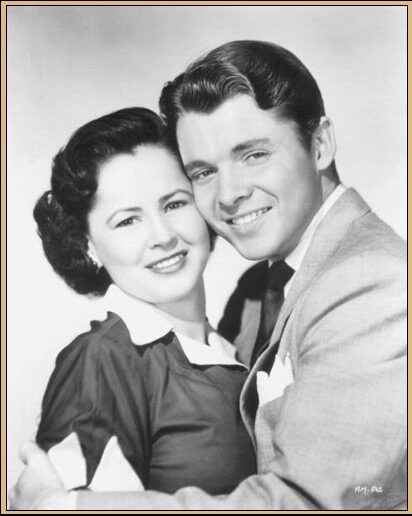
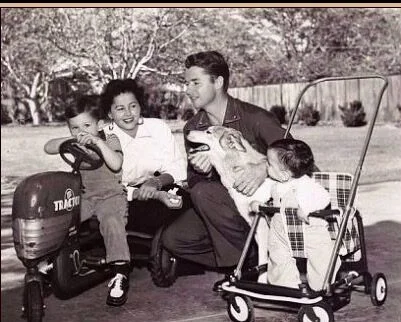
Husband and father. Married actress Wanda Hendrix in 1949, but his severe postwar trauma and restlessness led to their divorce two years later. He later married Pamela Archer, with whom he had two sons—Terry and James.
-
Patriot. A man who embodied service, humility, and enduring strength long after the war ended.
Family Life
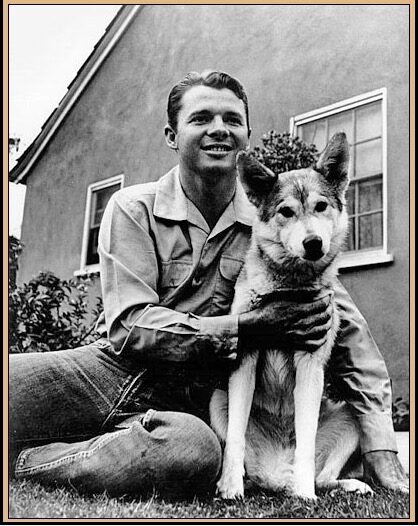
Murphy married actress Wanda Hendrix in 1949, but the trauma and restlessness that haunted him made the marriage short-lived. He later found steadier ground with his second wife, Pamela Archer, with whom he had two sons, Terry and James. Still, the war was never far away; it stayed with him in dreams and throughout life.
Click (or tap) any photo to open the gallery, see the full image, captions, and scroll through the set.
His Final Flight
Audie Murphy was only 46 years old when he died. On May 28, 1971, he was traveling on a small private plane that crashed into a mountainside near Roanoke, Virginia. Everyone on board was killed instantly.
He was buried at Arlington National Cemetery, and his gravesite quickly became one of the most visited in the entire cemetery—second only to John F. Kennedy’s. The simple headstone bears his name, rank, and Medal of Honor distinction, but—true to his modest nature—it lists none of his other 30-plus medals and awards.
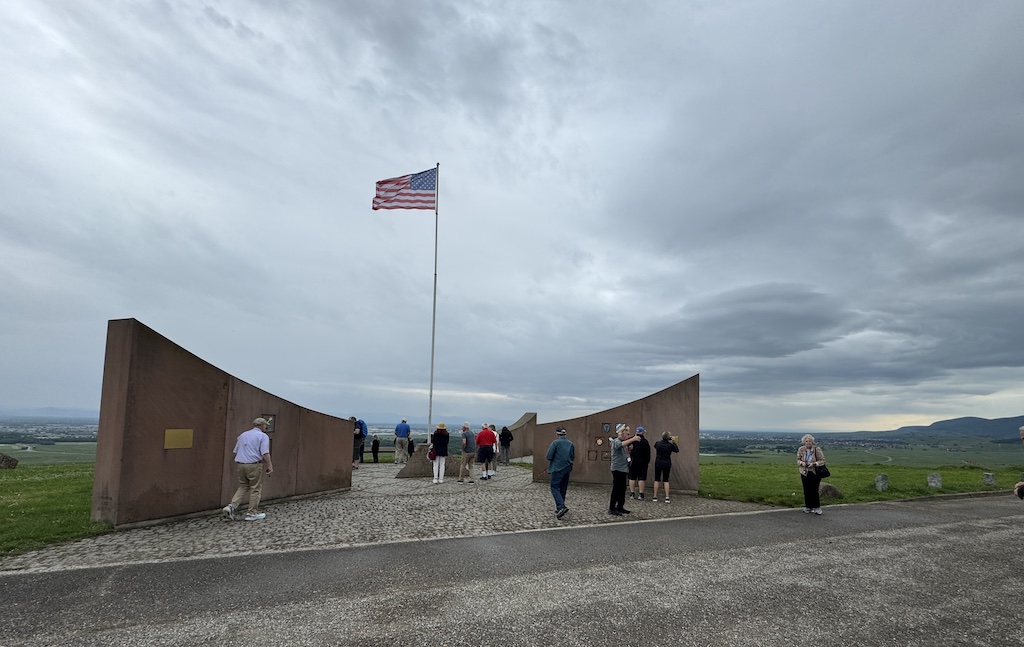
Standing where Audie Murphy made his last stand was humbling. But the story of Alsace’s liberation didn’t end there. Our next stop carried that same thread of remembrance—to the Colmar Pocket Memorial on Mont de Sigolsheim, or Hill 351.
Now I See
It’s one thing to read about a battle and quite another to stand on the very ground where it happened. Only then can I begin to understand—at least to the best that’s humanly possible—how war happens in communities. It helps me imagine that it could happen where I live, too.
The people of Colmar were just like us—working, living, raising children—and these horrors came to them. I tried to imagine the battle among the same trees that now sway in the wind. The whole area once engulfed in destruction now echoes with laughter from a nearby schoolyard. Children playing beside a memorial to a brutal war. Loss and future, side by side.
Reflection
The whole tour felt surreal. Walking on the very soil that held so much death and destruction—but also hope and freedom—settled into my bones and is now part of me. To my point, perhaps ad nauseam, travel and first-hand experience change me. Every WWII movie I see now holds a much deeper meaning. Every book I read or film I watch about people in places I’ve visited brings me closer to the truth. I’m more understanding because I can clearly imagine myself there—because I was there.
My empathy increases because people “over there,” or “those people,” now feel connected to me—not so unreachable or obscure. It’s life shifting from black-and-white photos to color home movies.
The juxtaposition is profound.
Sailing at Sunset: Back on the Viking Alruna Longship
After a day filled with beauty, learning, and emotional significance, returning to the ship for a wonderful, elegant dinner—and then watching the sunset as we cruised the Rhine—already made the journey feel significant and enduring. And it’s only our first day of the cruise.
So much more awaits us. Stay tuned.
That’s a wrap for Day 9 of our 33 Days in Europe series.
Missed a day or just joining in? The full 33 Days in Europe series is right here.
Next Up – Day 10 of my 33 Days of Europe series
Strasbourg in Two Speeds: A Guided Tour and Wandering Heart
Gear I Recommend
See all my travel gear and essentials here: Things I Love & Recommend
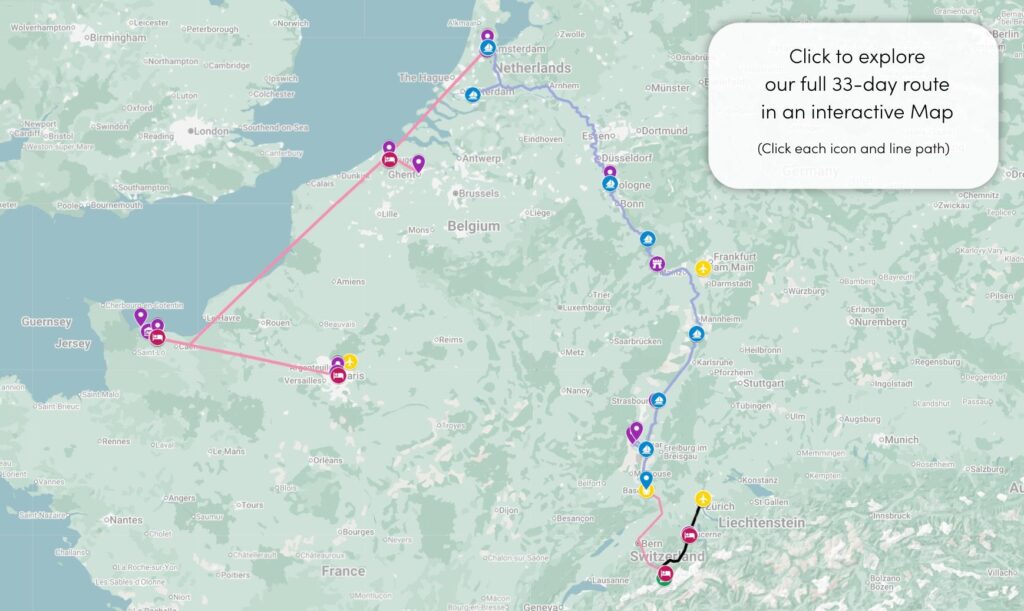
Detailed Map of the Entire Journey
Below is a visual summary of our full 33-day route—hotels, attractions, Viking cruise path and stops, as well as transit modes and paths—hiking, train, plane, gondola.
Click to explore the interactive version and wander through the journey pin by pin.