Long red sandstone façade of Speyer Cathedral stretching across the square under a cloudy sky

Day 11 – Speyer, Germany & Life Aboard Our Viking River Cruise

by Deborah Bass

Pink flower postage stamp symbol for the 33 Days in Europe series


One’s destination is never a place, but a new way of seeing things.
Henry Miller

This post is part of my 33 Days in Europe series. Visit the hub page to follow along, see the full itinerary, and sign up for email updates.
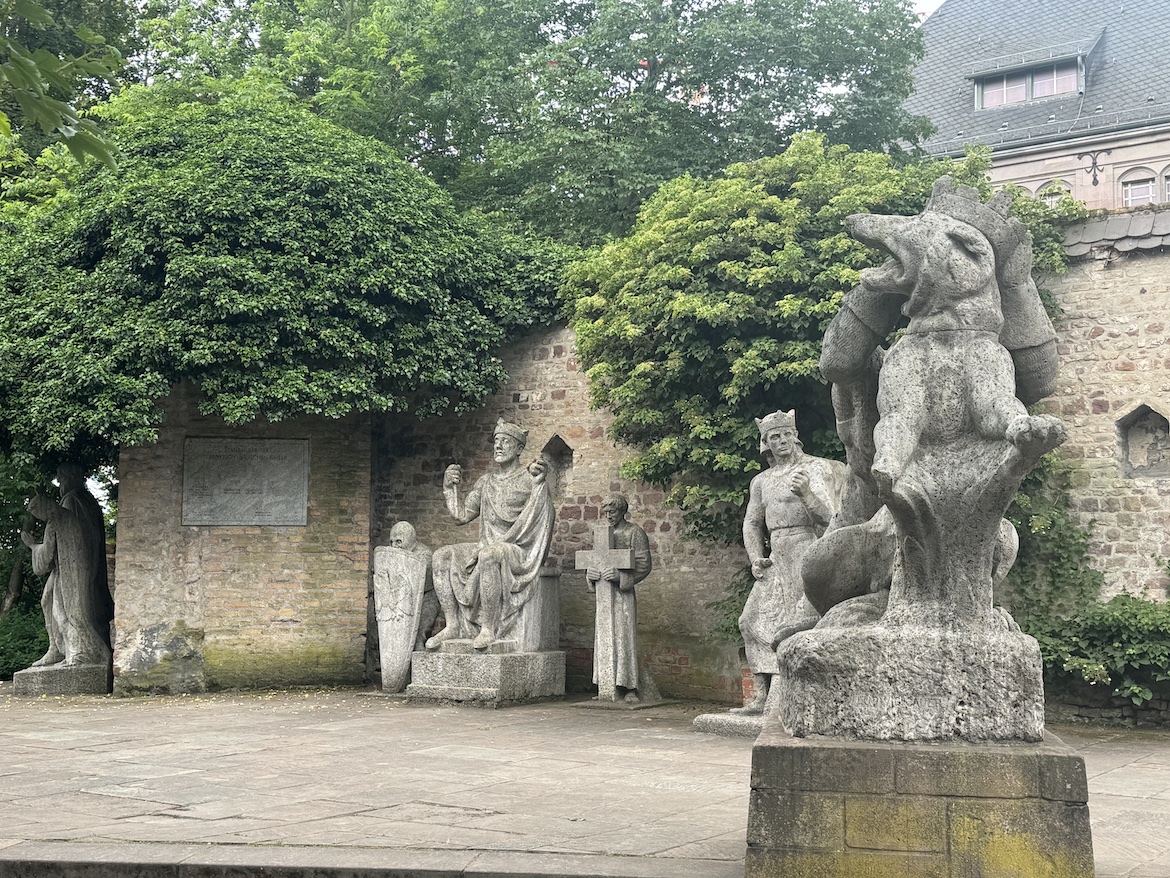
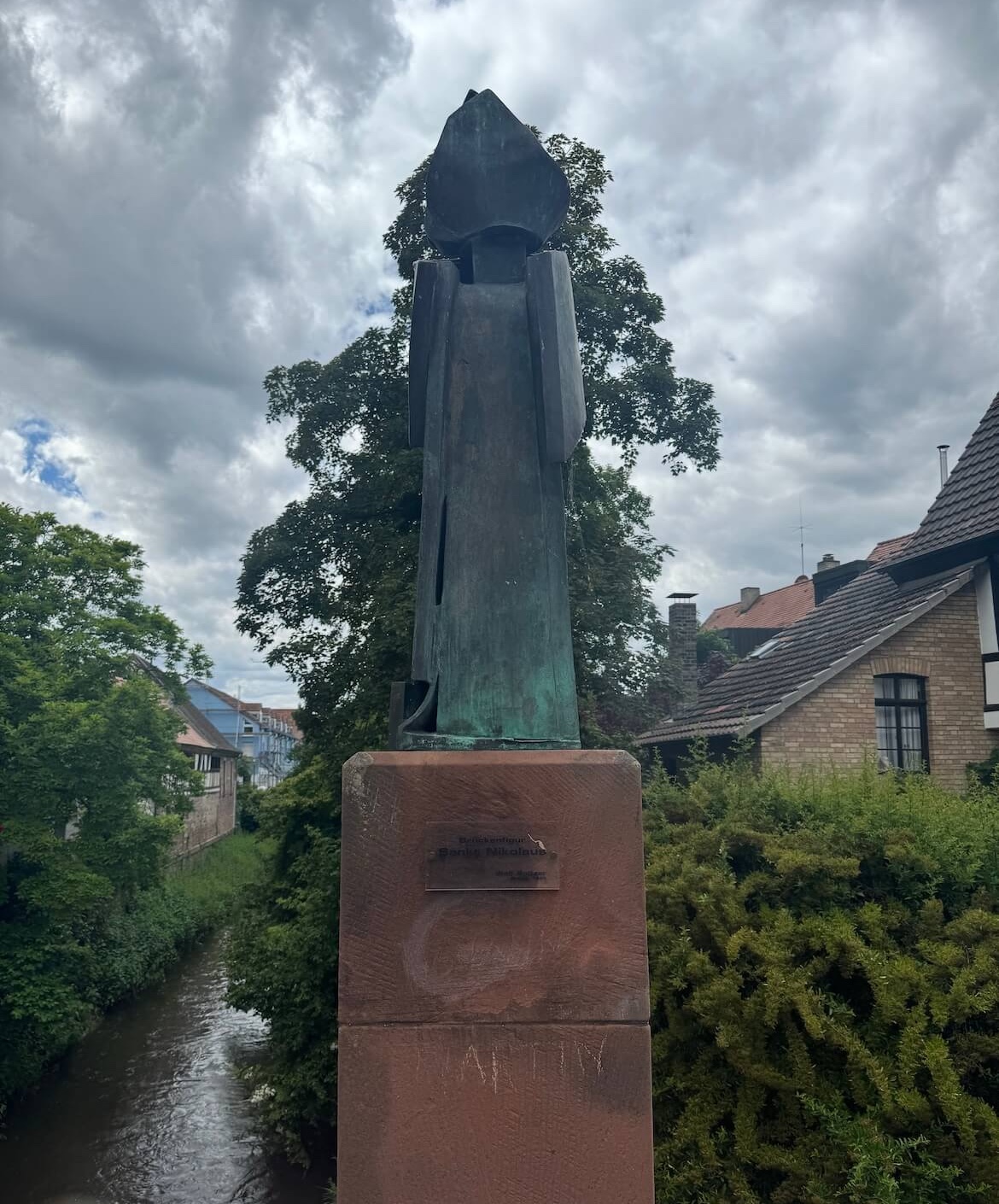
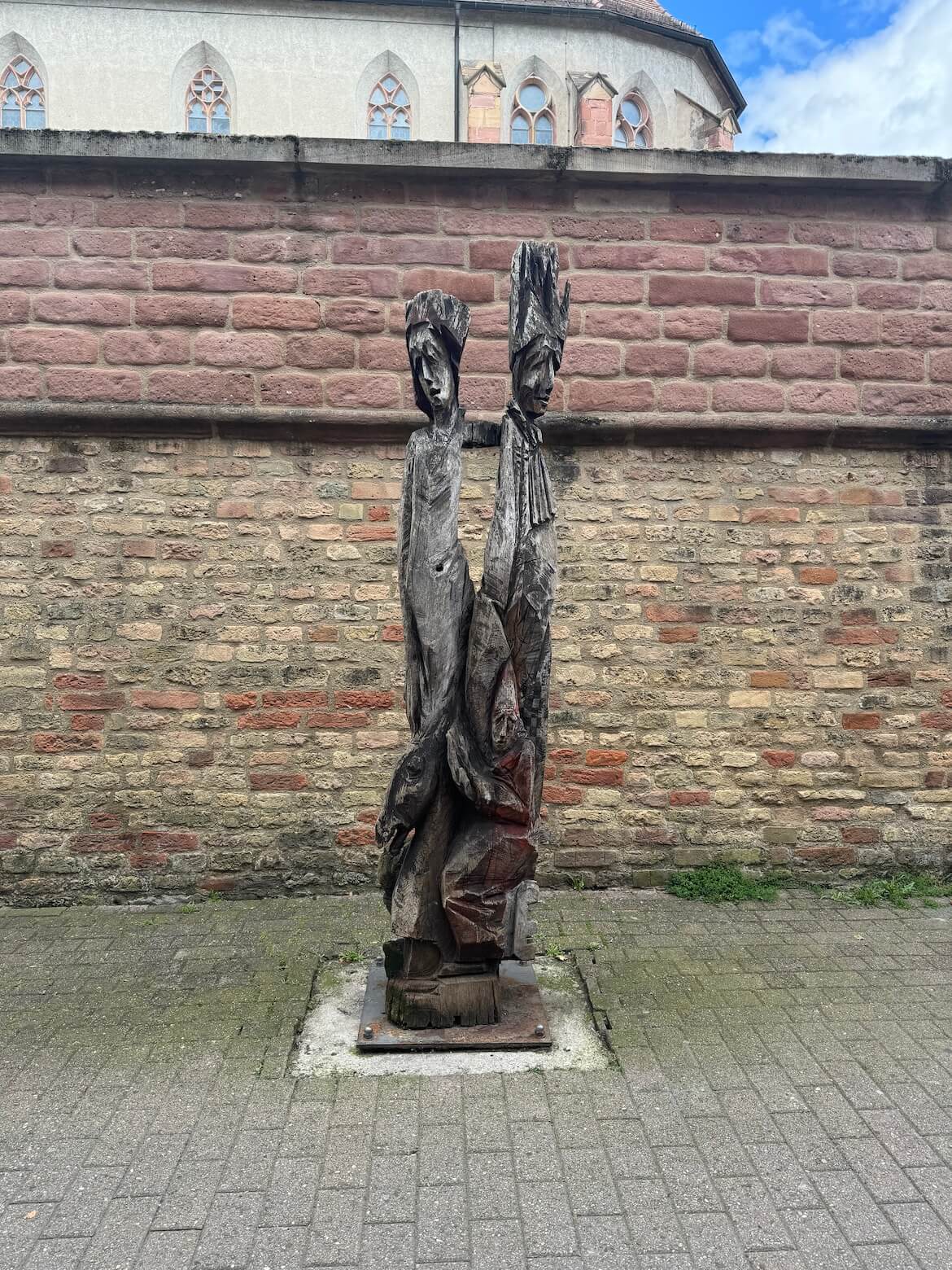
Day 11 turned out to be a little bit of everything.

It was only a half sailing day, but it included all the right elements: a medieval town, time on foot, lunch on the river, and then a long, easy afternoon of sailing. We were, after all, on a cruise, and relaxing while taking in the unassuming river felt like perfect timing in our trip.

Guided Tour

Thank goodness for our Viking Cruises tour guide.

Without his knowledge, we would have meandered aimlessly and missed all the stories that makes Speyer special.

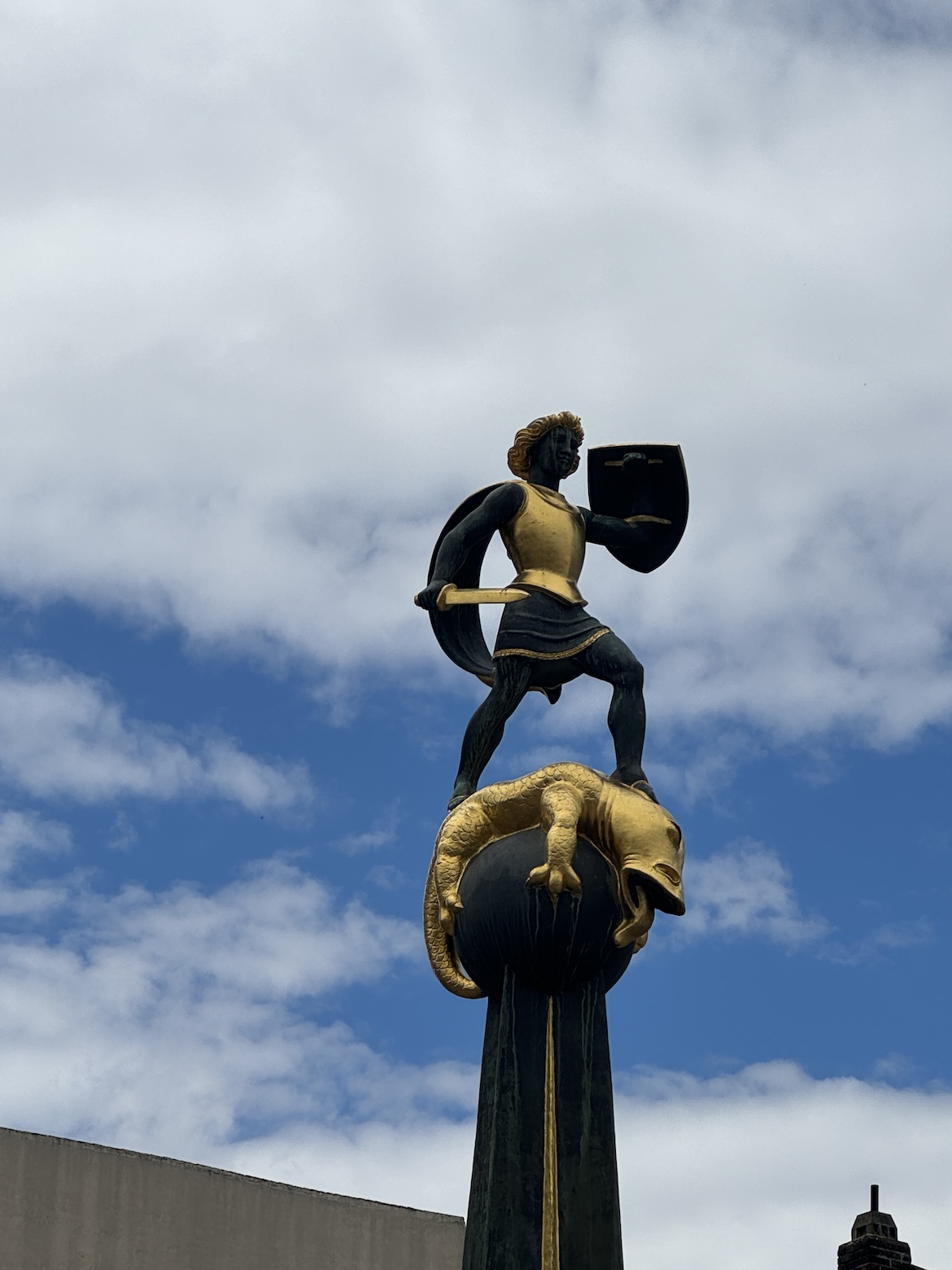
Instead, we learned the historical significance of so many different things, from the spectacular cathedral to the path of the cobblestones. Weathered stone statues came alive with meaning; cobblestone paths transformed into stories and context. Viking offers free tours almost every day on the cruise, and some of these guides have PhDs in history, so the information isn’t surface-level. It’s rich and credible.

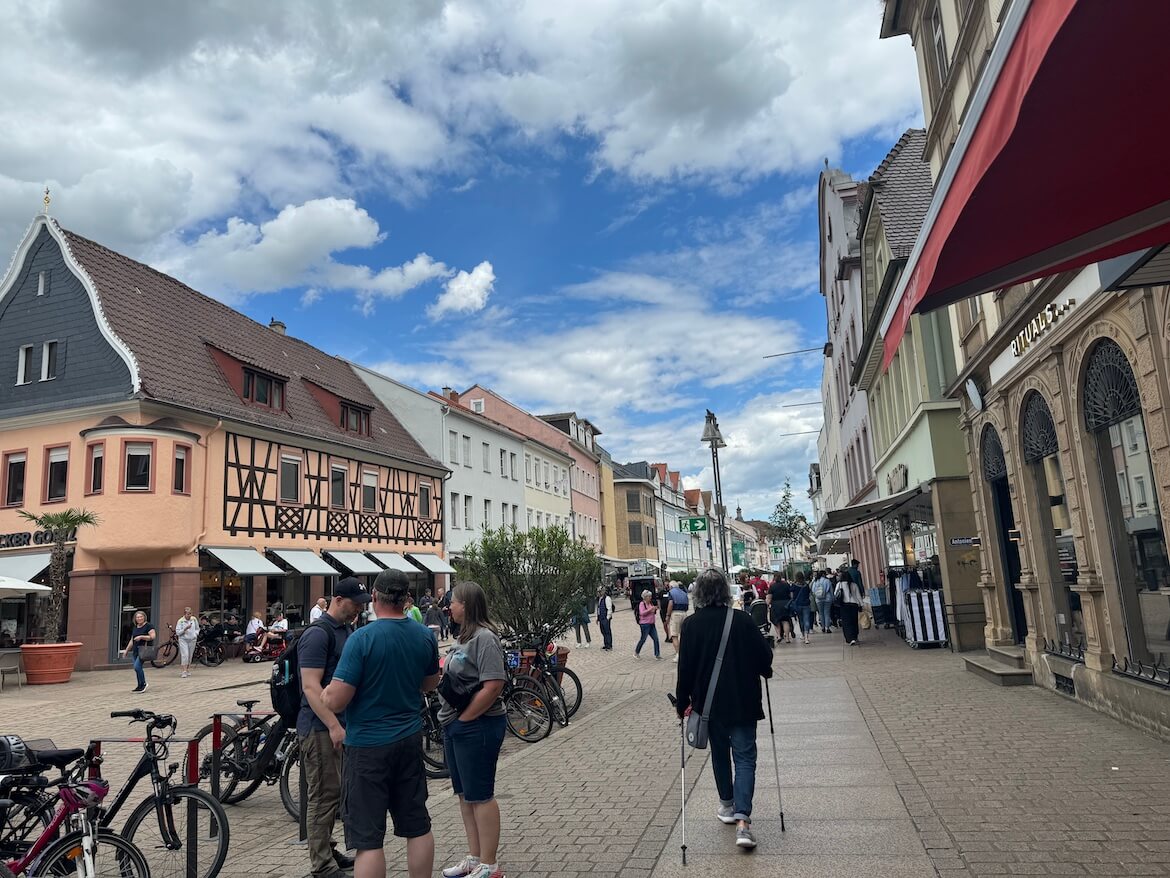
Because honestly, for the most part, Speyer felt like any other small riverside town. Just a beautiful place along the Rhine. Well, except for that Goliath of a cathedral. More on that in a moment.

It’s fun to learn the history of a place. I suppose every place has history, but applying meaning to a place makes it memorable.

Click (or tap) any photo to open the gallery, see the full image, captions, and scroll through the set.

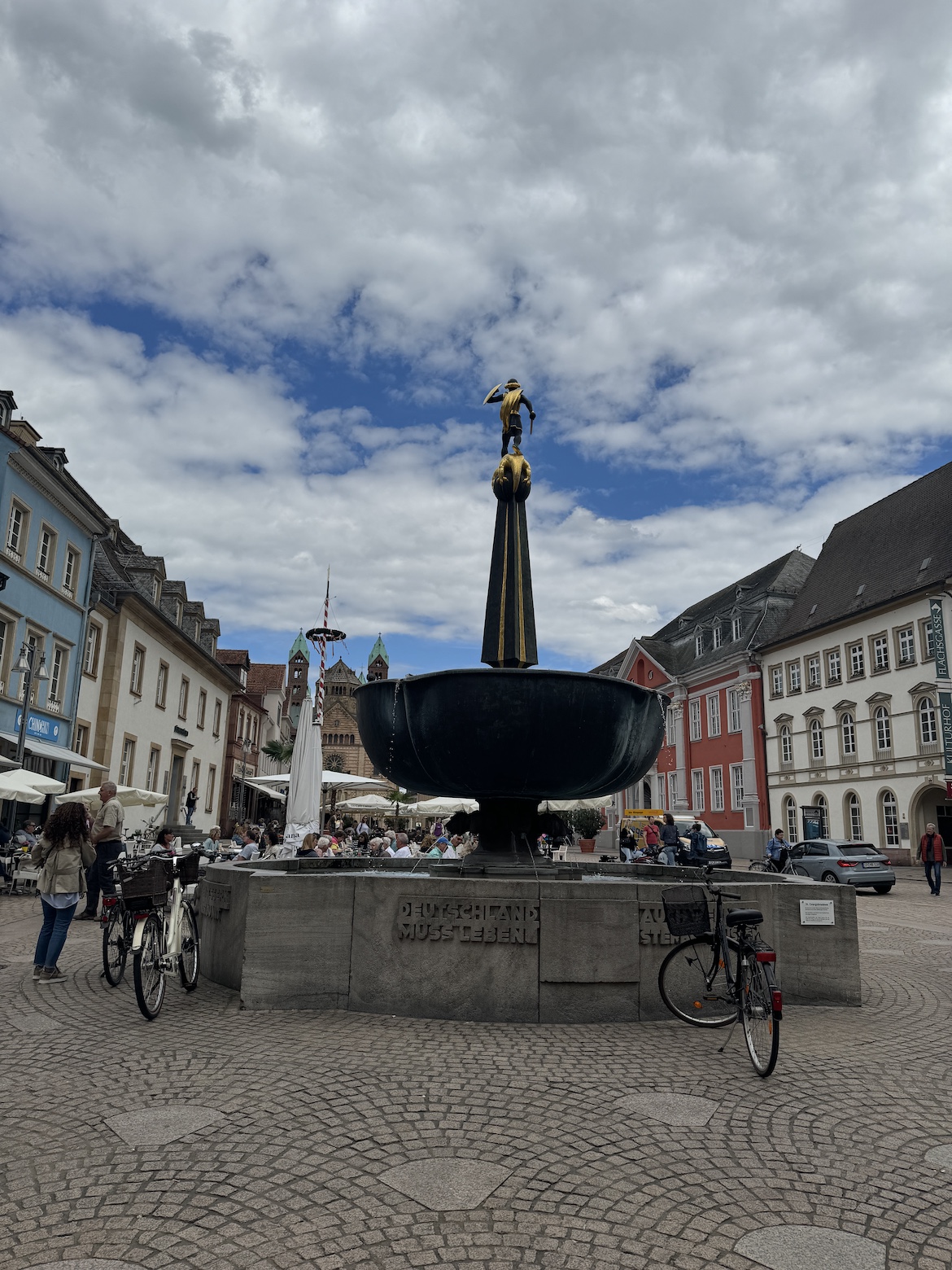
The Heart of Speyer

Speyer once played an important role in the Holy Roman Empire, hosting emperors and imperial gatherings, and the cathedral still anchors the town after all these years.

Unlike the Strasbourg Cathedral we saw on Day 10 — which climbed so high it seemed to brush the clouds— Speyer’s cathedral feels rooted to the earth.

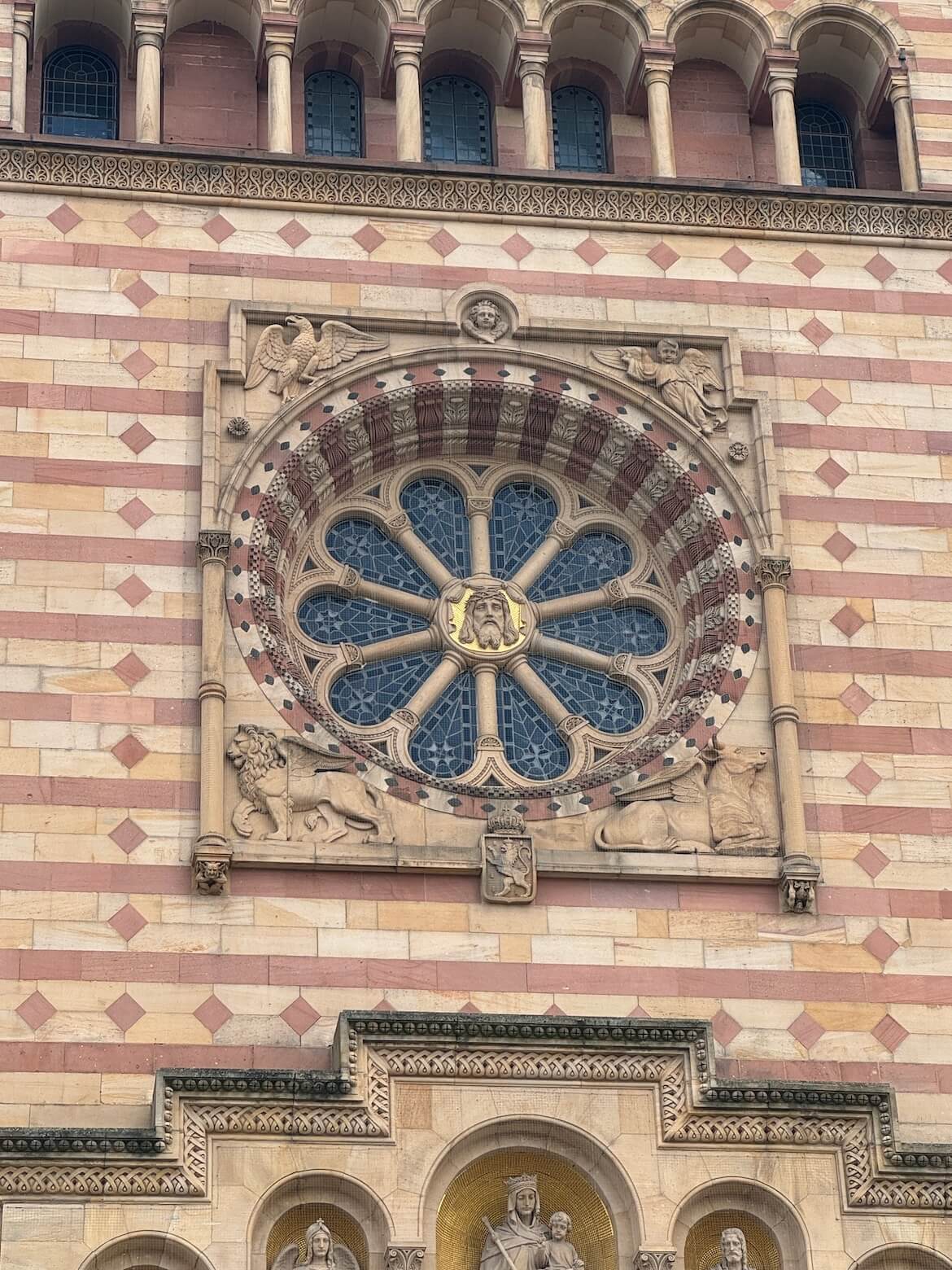
The Speyer Cathedral sits in the center of town, begun in the early 1000s and considered one of the most important Romanesque buildings in all of Europe for its scale, design, and influence. Romanesque architecture favors thick walls and rounded arches. It was built to project authority and stability, and even now, it still does.

It’s long. Wide. Solid. More fortress than cathedral.

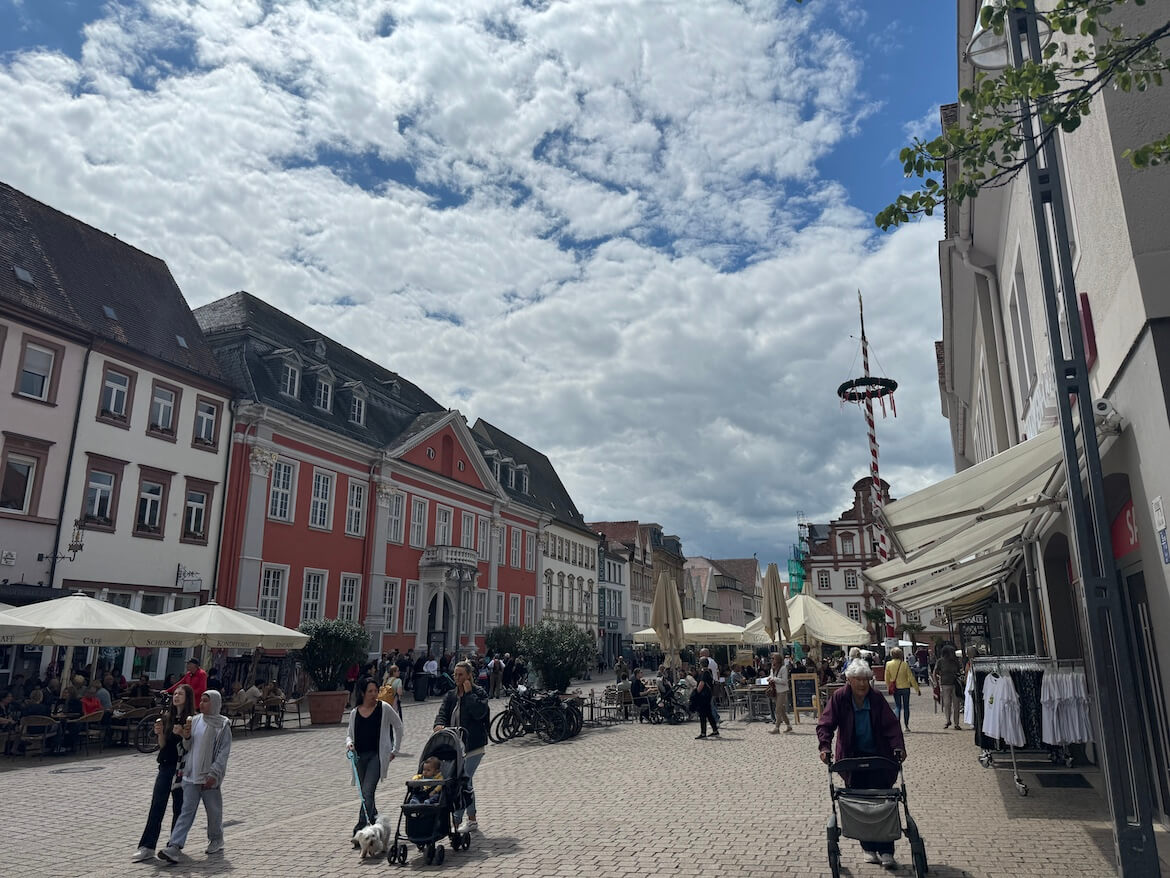
What fascinated me most was how modern life exists around it. People walk their dogs, carry groceries, cut across the square like people have for more than a thousand years before, as if this thousand-year-old structure were just another building.

That contrast — medieval and modern side by side — always gets me. (Just like the time I stood beside the Tower of London—ancient stone beside a modern glass skyscraper. But that’s another story.)

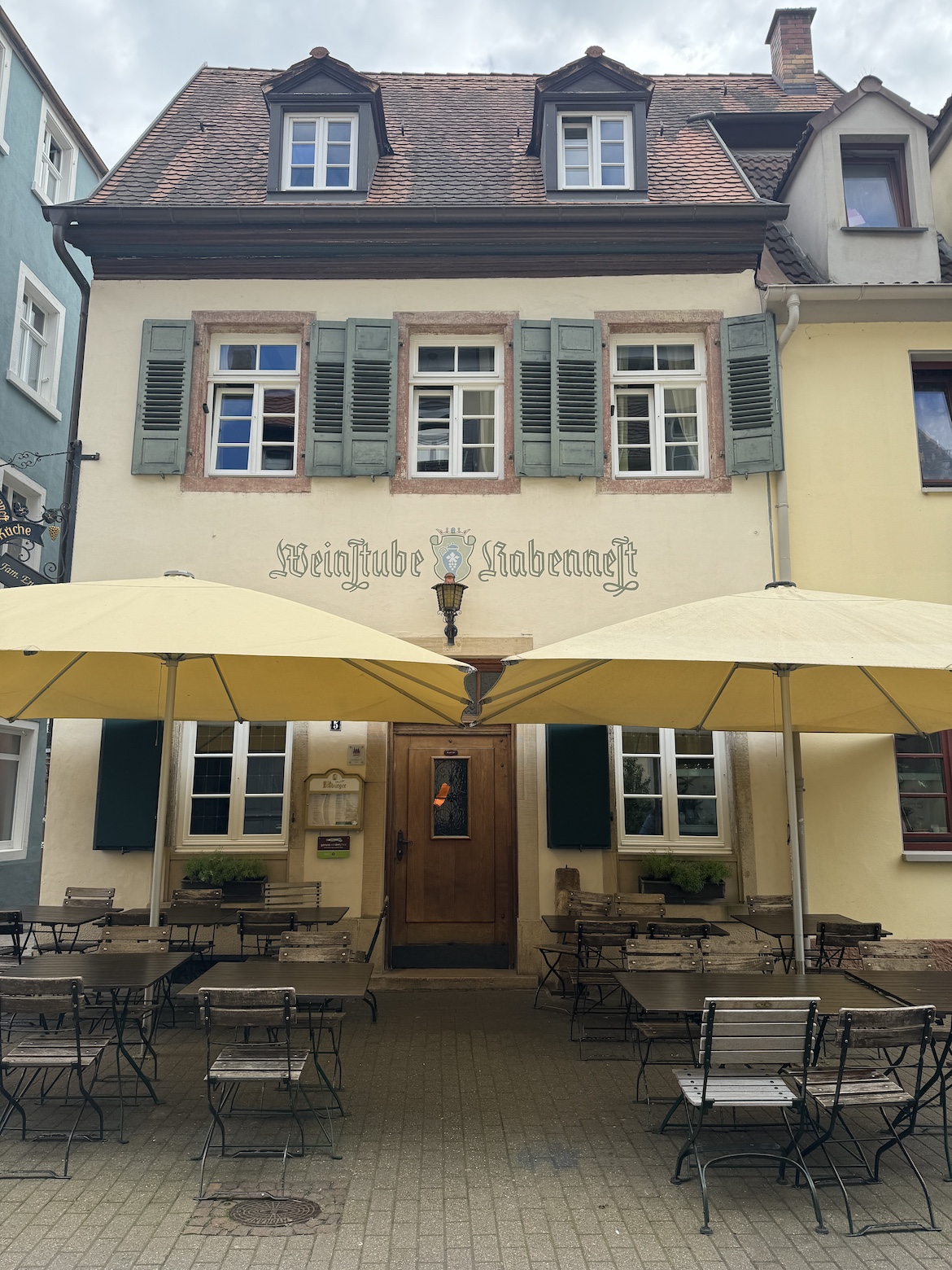
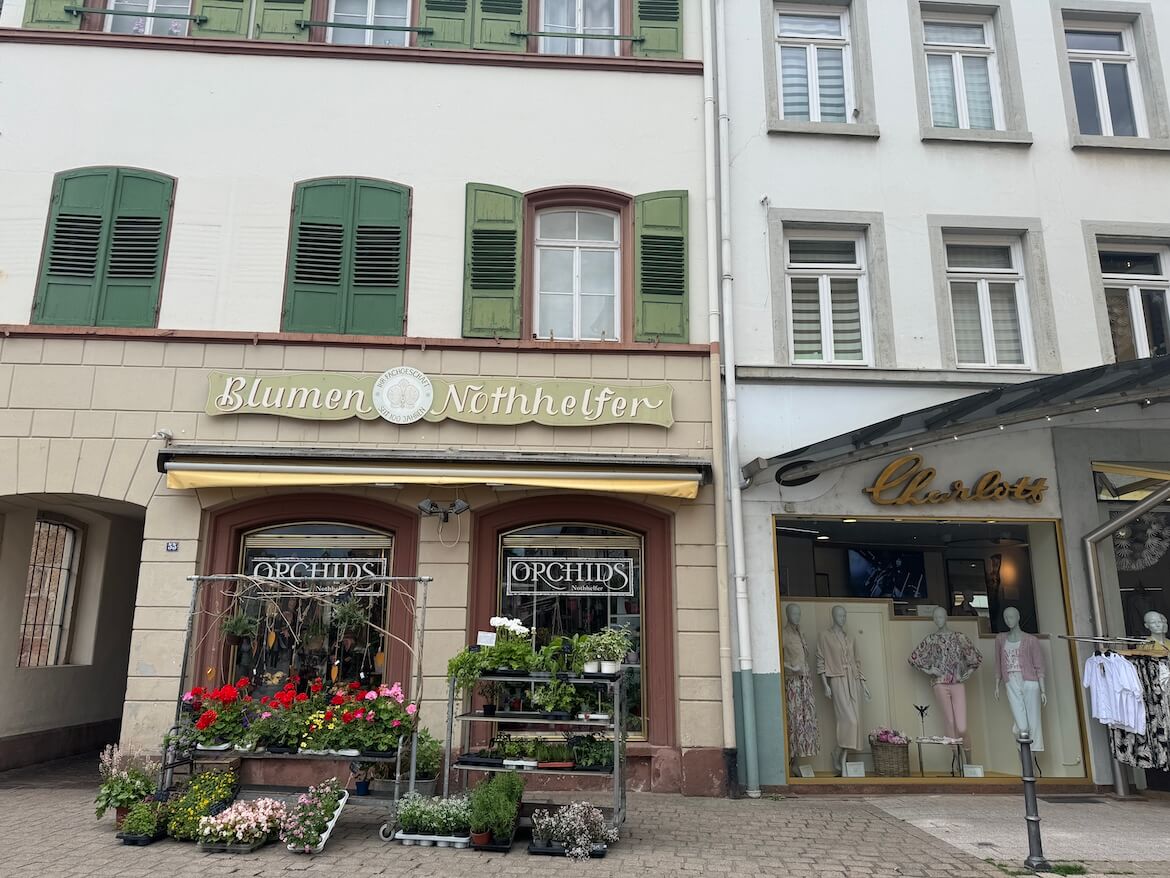
Speyer turned out to be a very good walking town. It’s manageable, uncrowded, and easy to take in without feeling overwhelmed. It isn’t thrilling in the way some medieval towns are, and it doesn’t try to charm you at every turn—but it is pleasant and easy.

Click (or tap) any photo to open the gallery, see the full image, captions, and scroll through the set.

It’s All About The Details

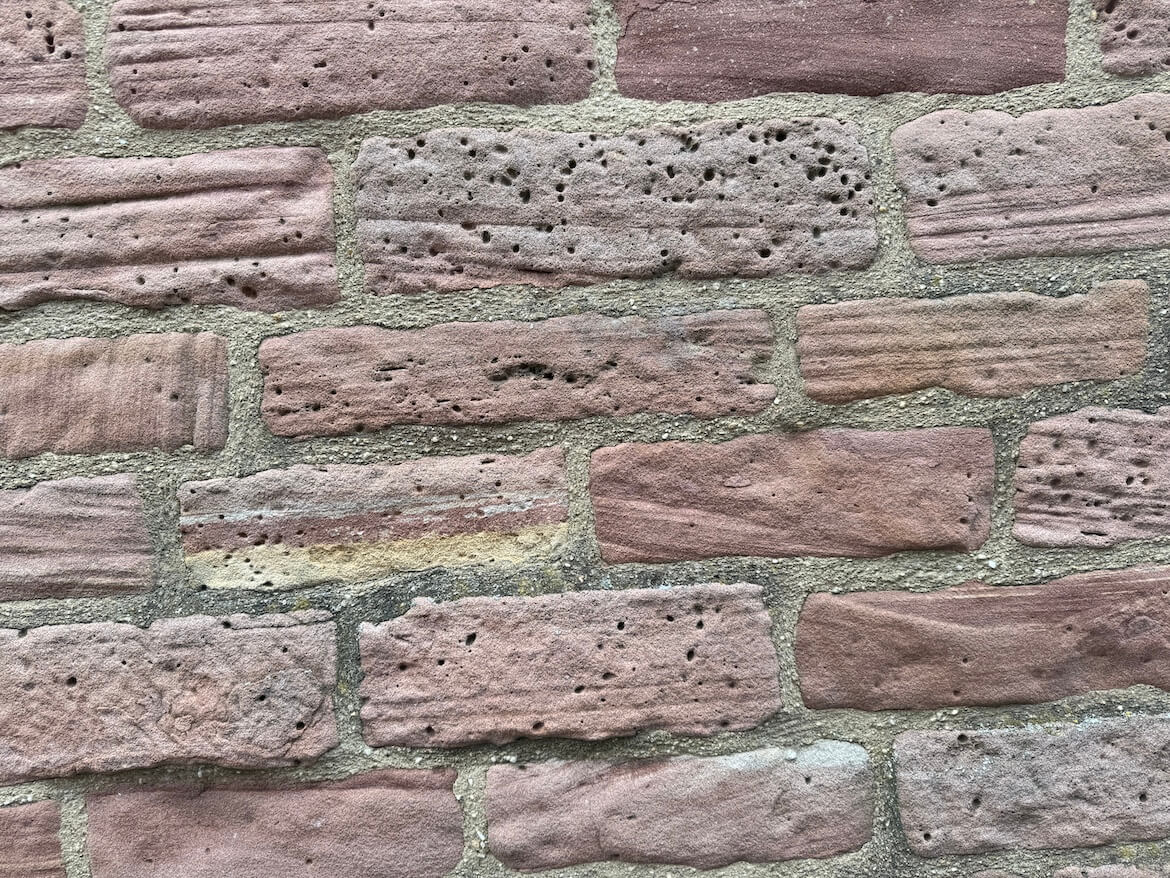
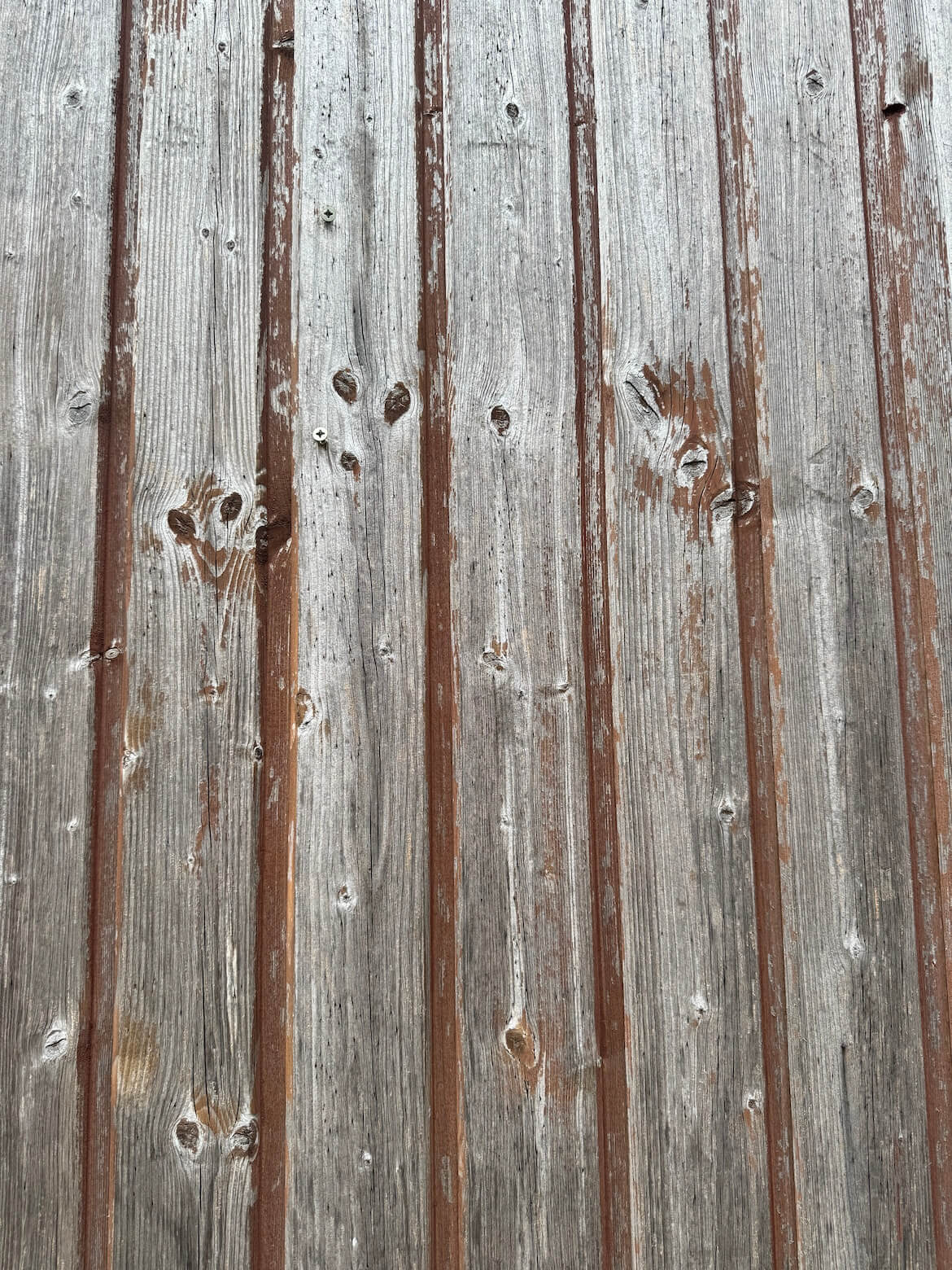
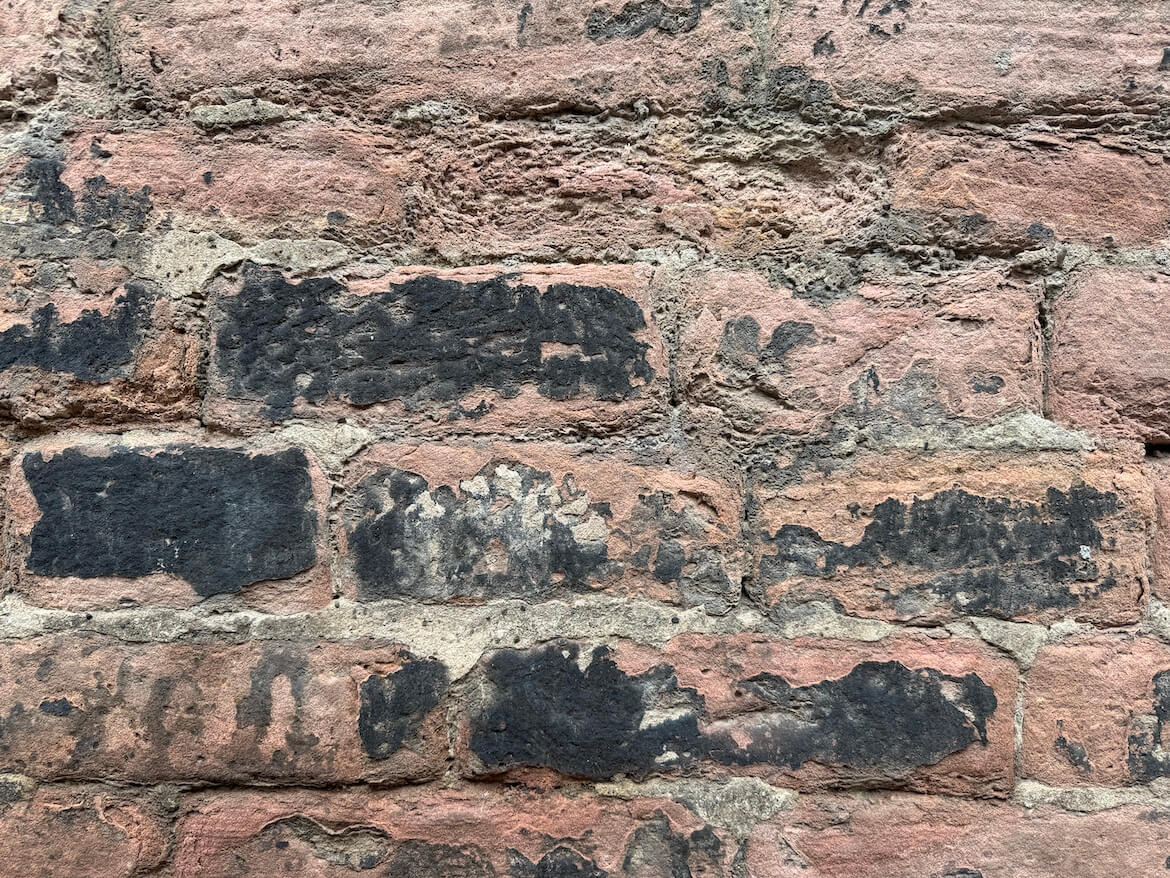
You know how it is when you see a photograph and you’re immediately transported back to that moment—where you remember the light, the air, even the smells? That’s what these photos do for me.

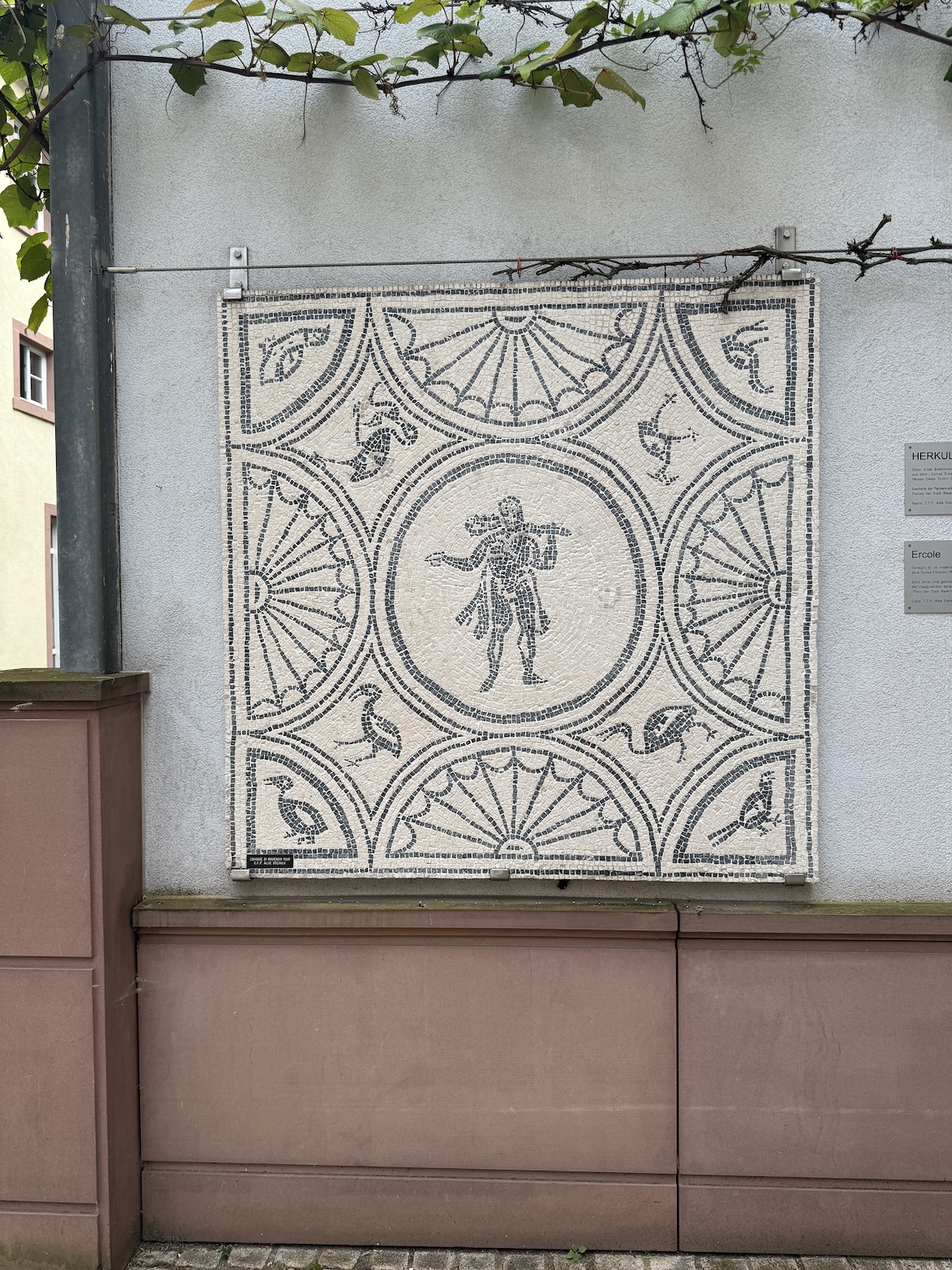
I know that to someone else, it might just look like a wall. But to me it’s art, and it mesmerizes me.

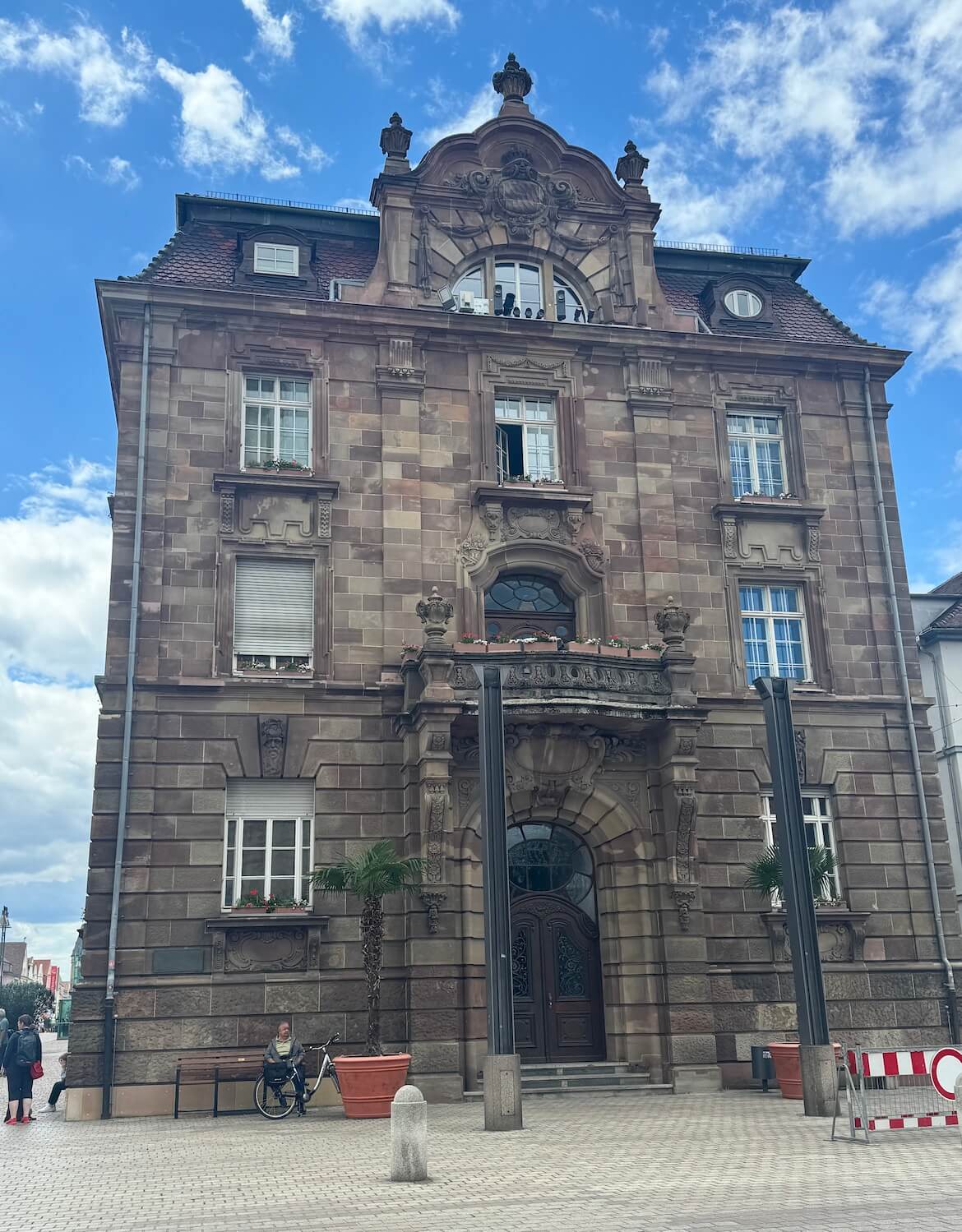
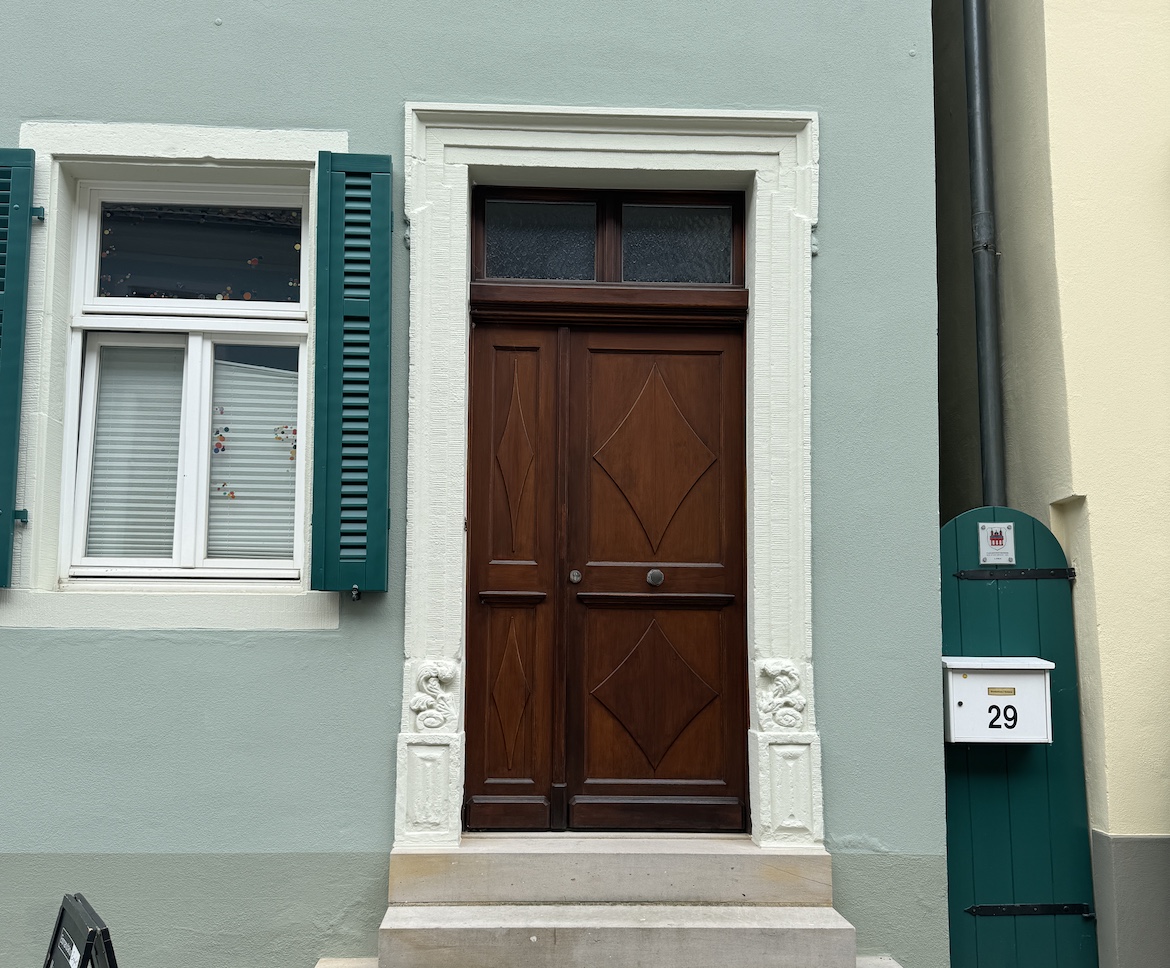
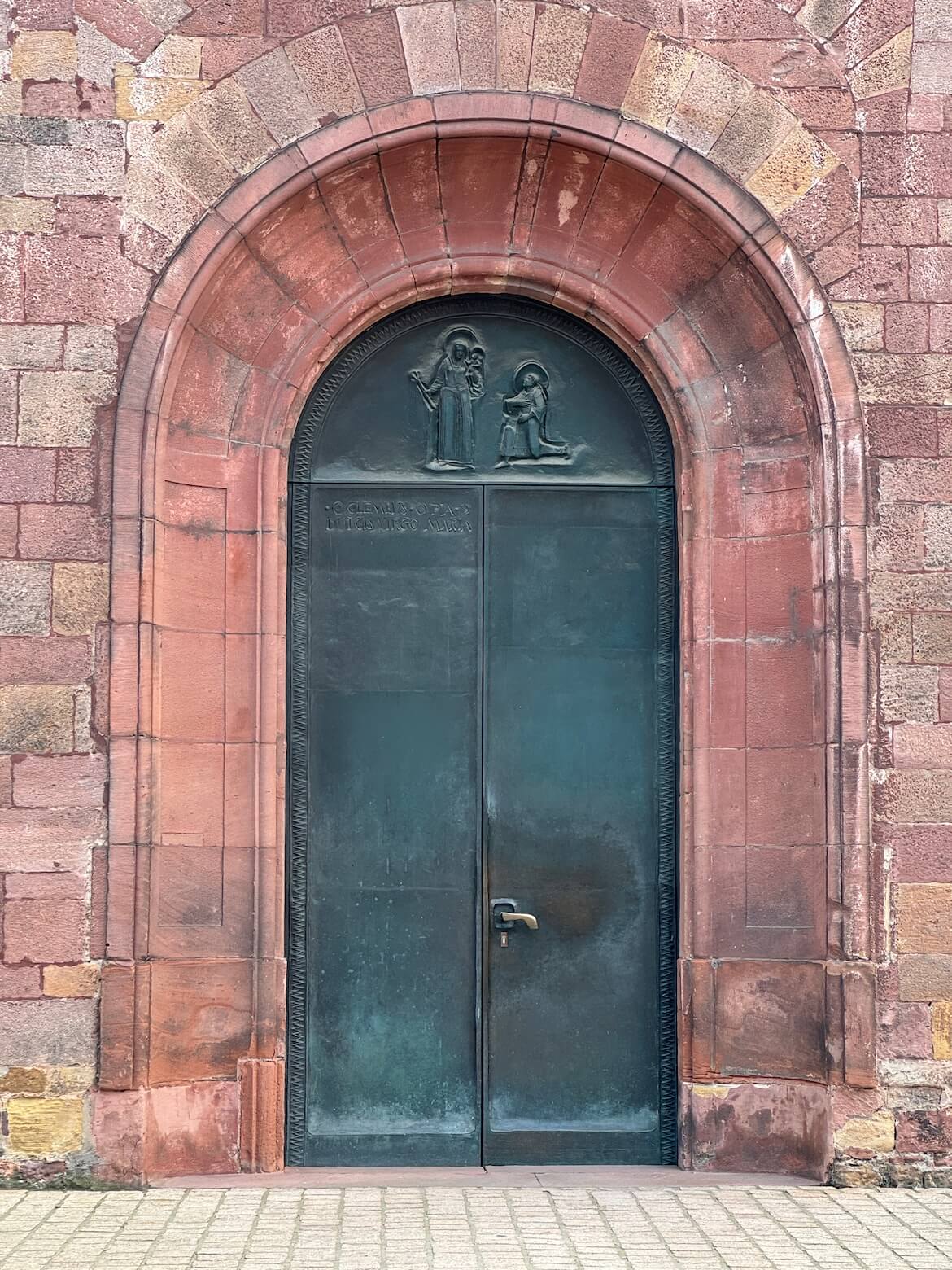
I always take photos of doors and surfaces like this. The textures, the colors—so beautiful!

The doors and hardware equally catch my breath. Many date back hundreds of years—sometimes medieval in origin, sometimes from later centuries—reused and reinforced again and again as buildings change hands and purposes. I always wonder how many people have passed through those same doorways, and how many ordinary lives move through those spaces long before mine.

These ancient textures and surfaces make me appreciate the moment and understand that my lifetime is just a blip in all of time.

I know I’ll use these images in my art someday. They will instantly transport me to the sights, textures, sounds and feelings when I was there.

Click (or tap) any photo to open the gallery, see the full image, captions, and scroll through the set.

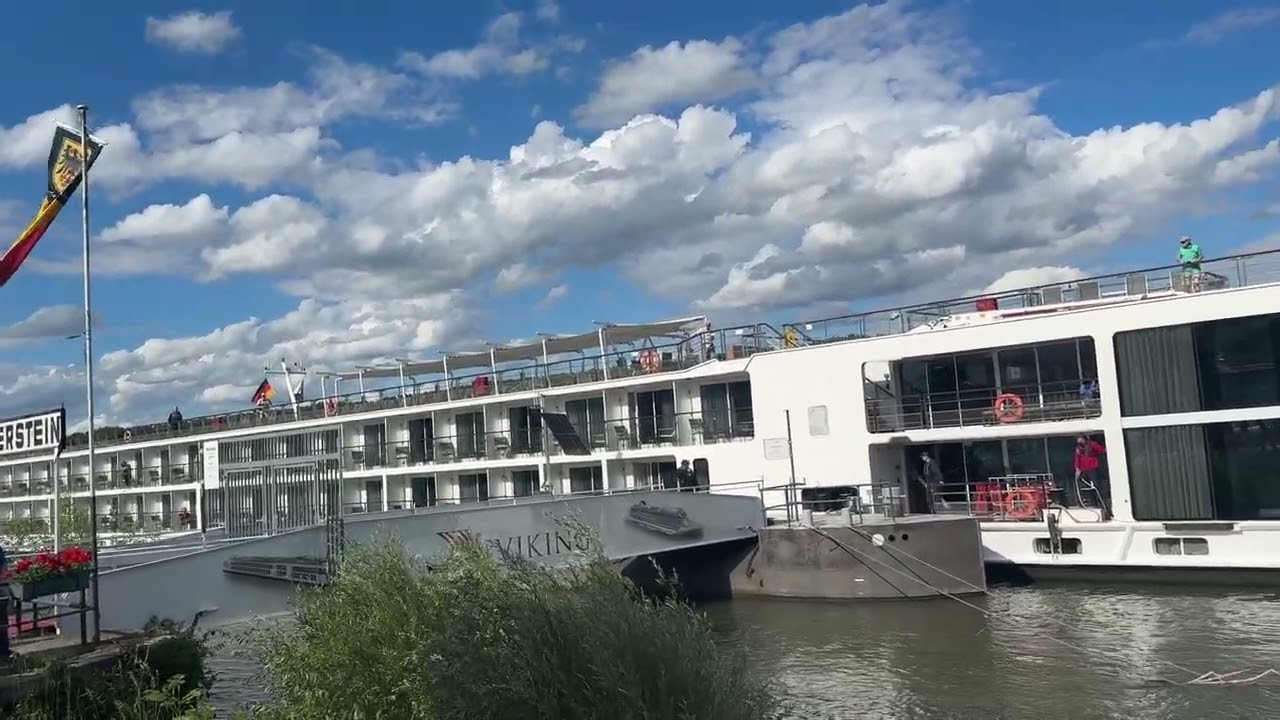
Back To The Ship After Some Time Exploring

Jazz Before Dinner

Back on the ship, I captured this video while we were cruising, relaxing before dinner. The pianist was playing, the ship was gliding along, and the day felt complete.

There are only about 170 people on board — just enough to make friends and wholeheartedly enjoy the experience.

On to Rüdesheim

We sailed through the afternoon toward Rüdesheim, arriving around 5:30 in the early evening. It proved an ideal way to spend our third day on the Rhine river—history in the morning, comfort and motion in the afternoon. We docked in Rüdesheim that evening, and at 9:00 in the morning, we sailed on to Koblenz, entering the Middle Rhine.

Day 11 is the easiest day of all the days so far in our 33-Day excursion. The timing to relax proved perfect.


That’s a wrap for Day 11 of our 33 Days in Europe series.

Missed a day or just joining in? The full 33 Days in Europe series is right here.


Next Up – Day 12 of my 33 Days of Europe series

Day 12 – Castles in the Mist: Cuising the Middle Rhine


Gear I Recommend

See all my travel gear and essentials here: Things I Love & Recommend


Detailed Map of the Entire Journey

Below is a visual summary of our full 33-day route—hotels, attractions, Viking cruise path and stops, as well as transit modes and paths—hiking, train, plane, gondola.
Click to explore the interactive version and wander through the journey pin by pin.
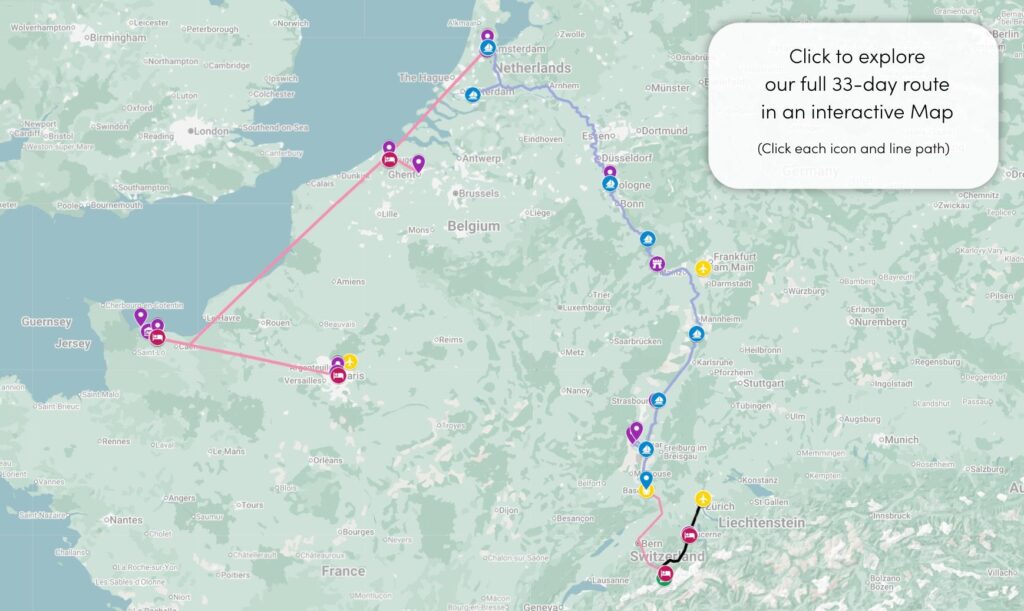
Google Map with Routes & Attractions

Leave a Comment

You may also like