

Architecture is frozen music.
— Johann Wolfgang von Goethe
This post is part of my 33 Days in Europe series. Visit the hub page to follow along, see the full itinerary, and sign up for email updates.
Stepping into Strasbourg on Foot
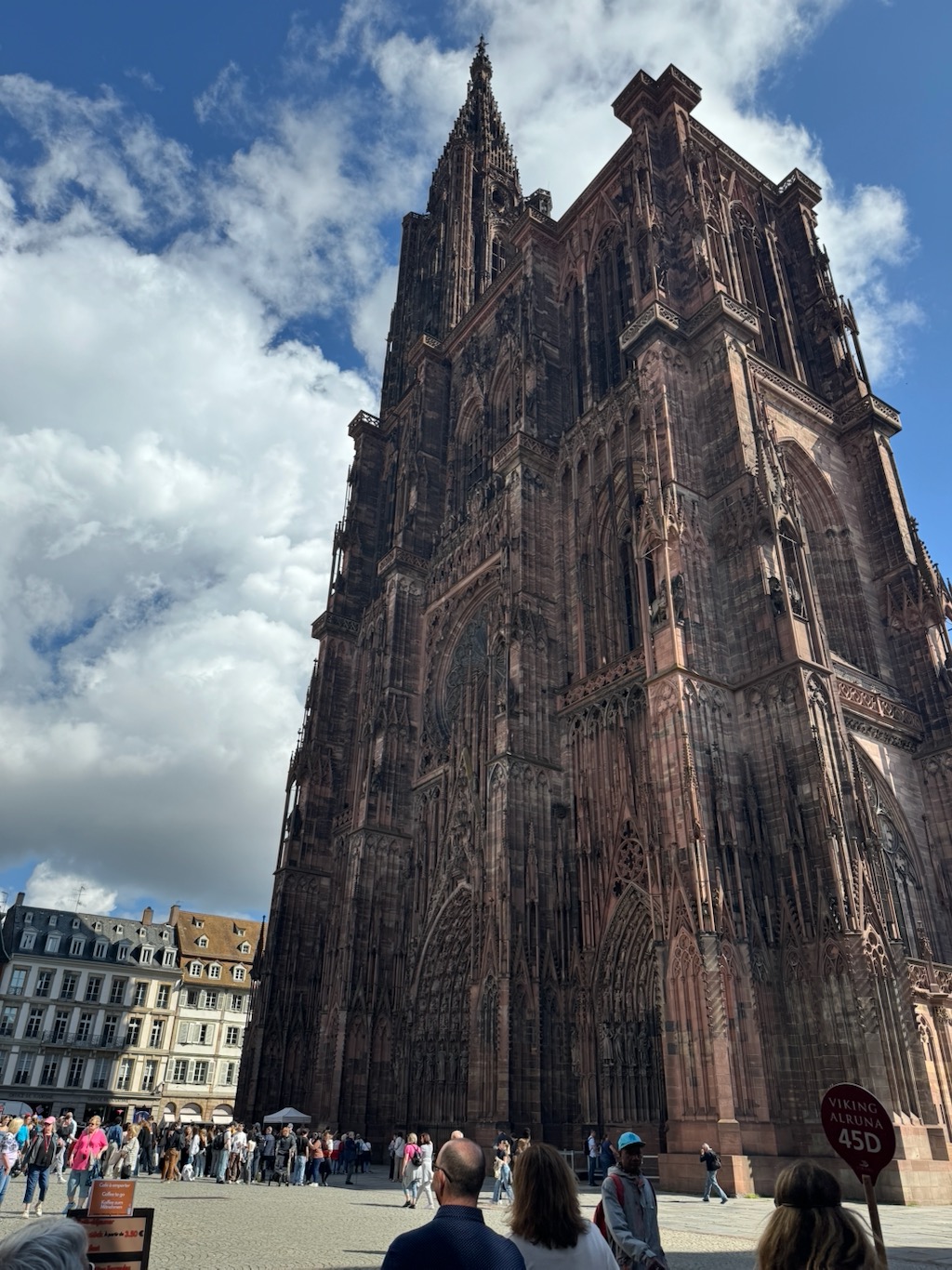
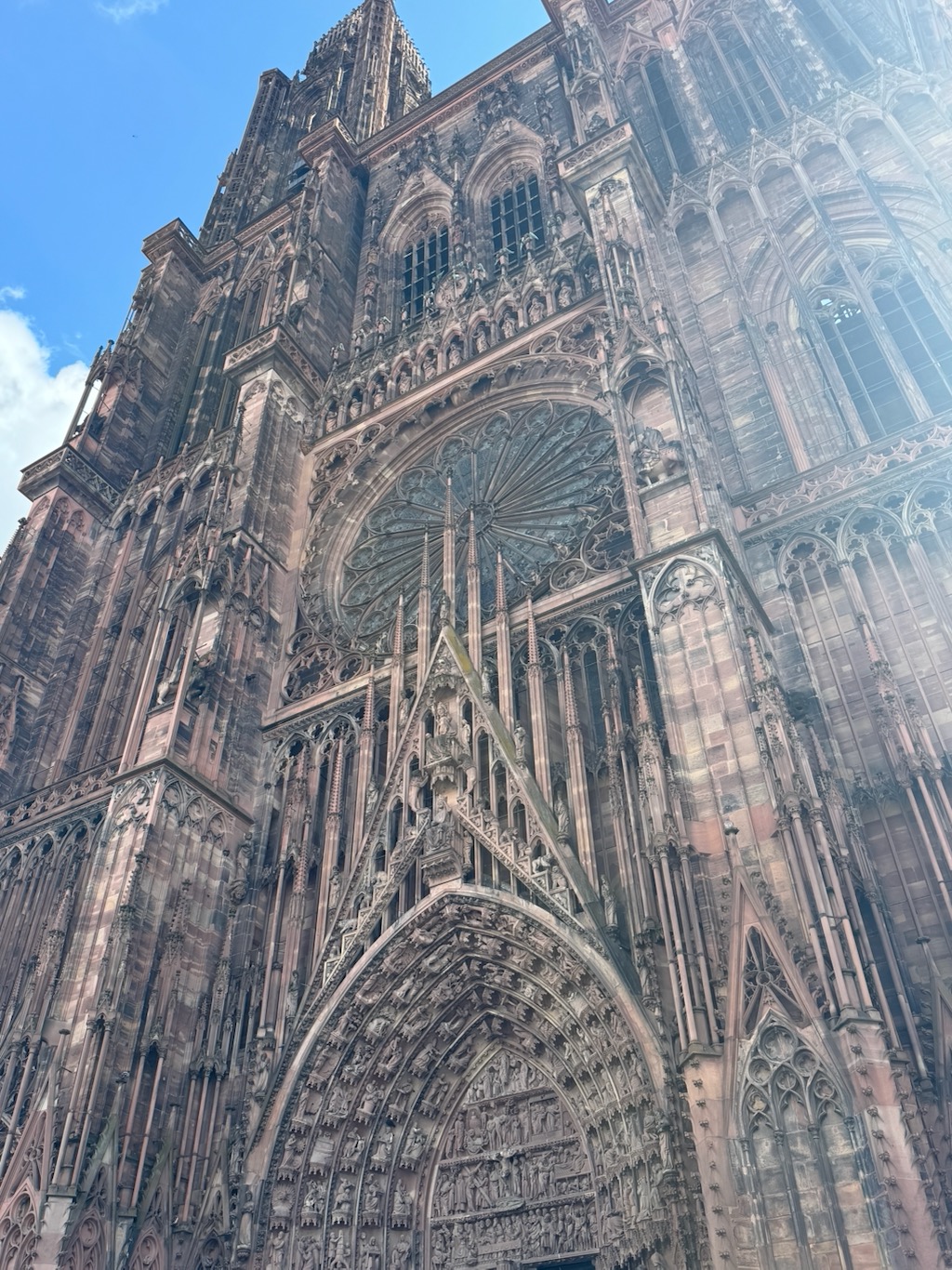
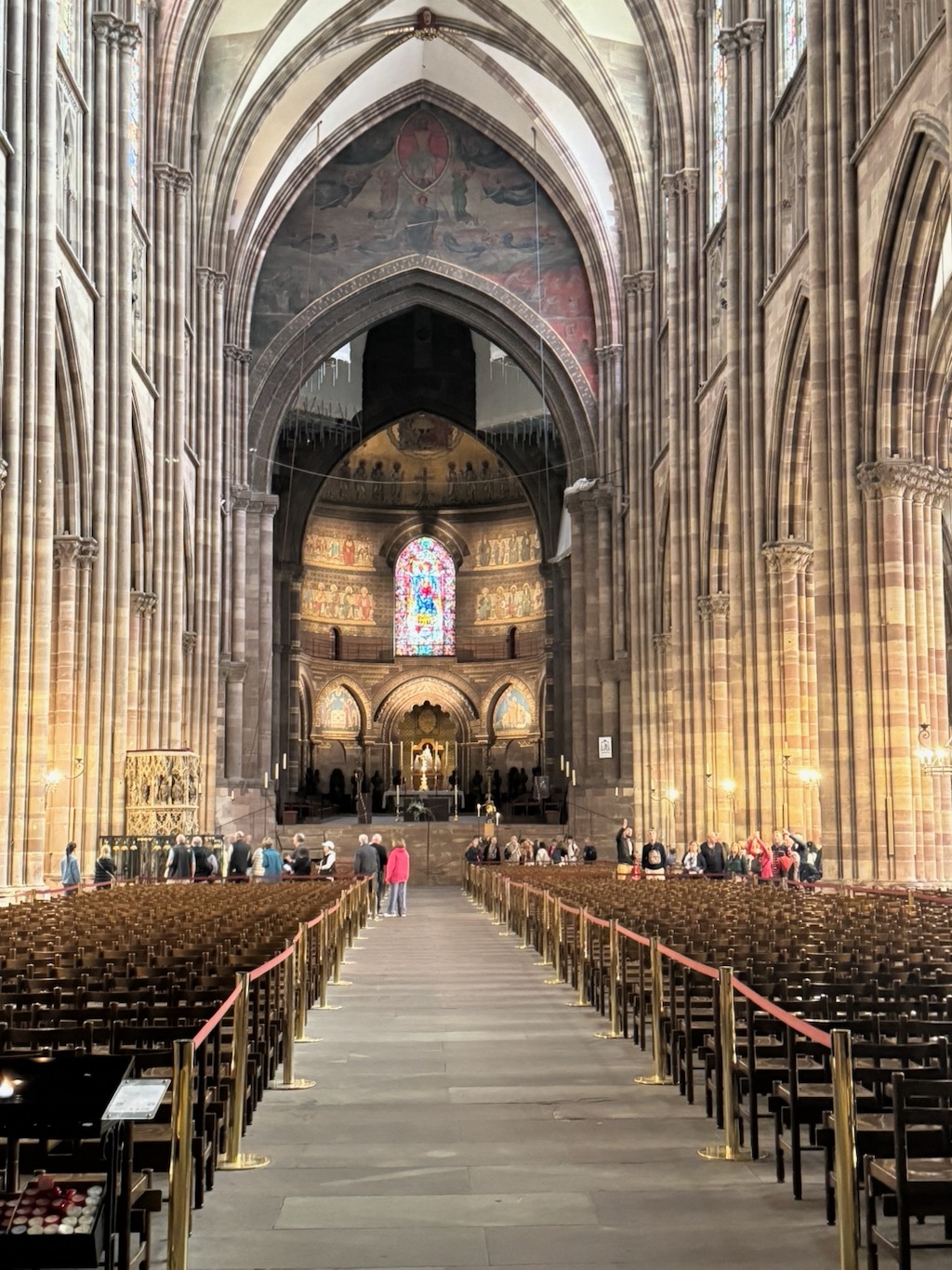
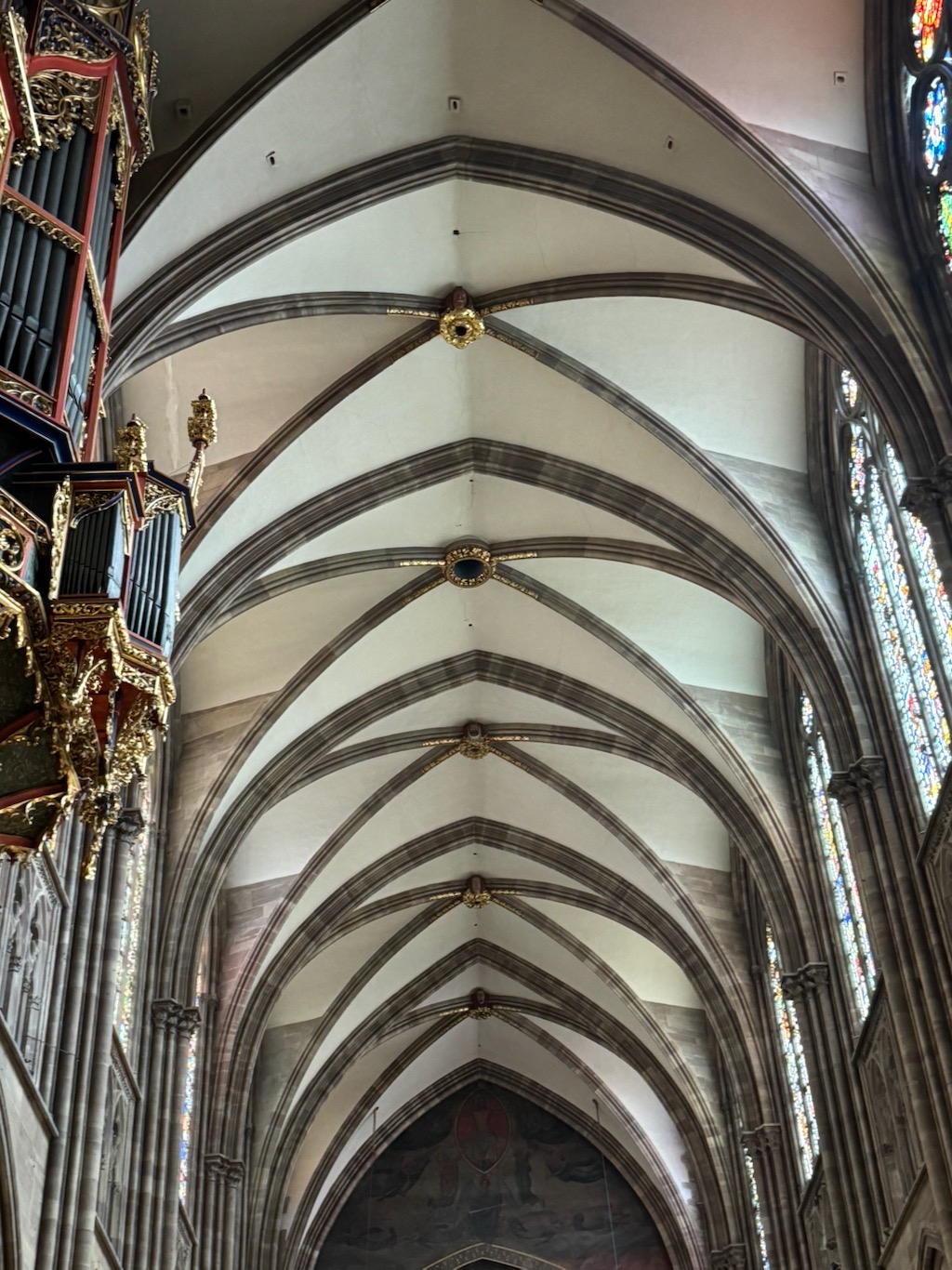
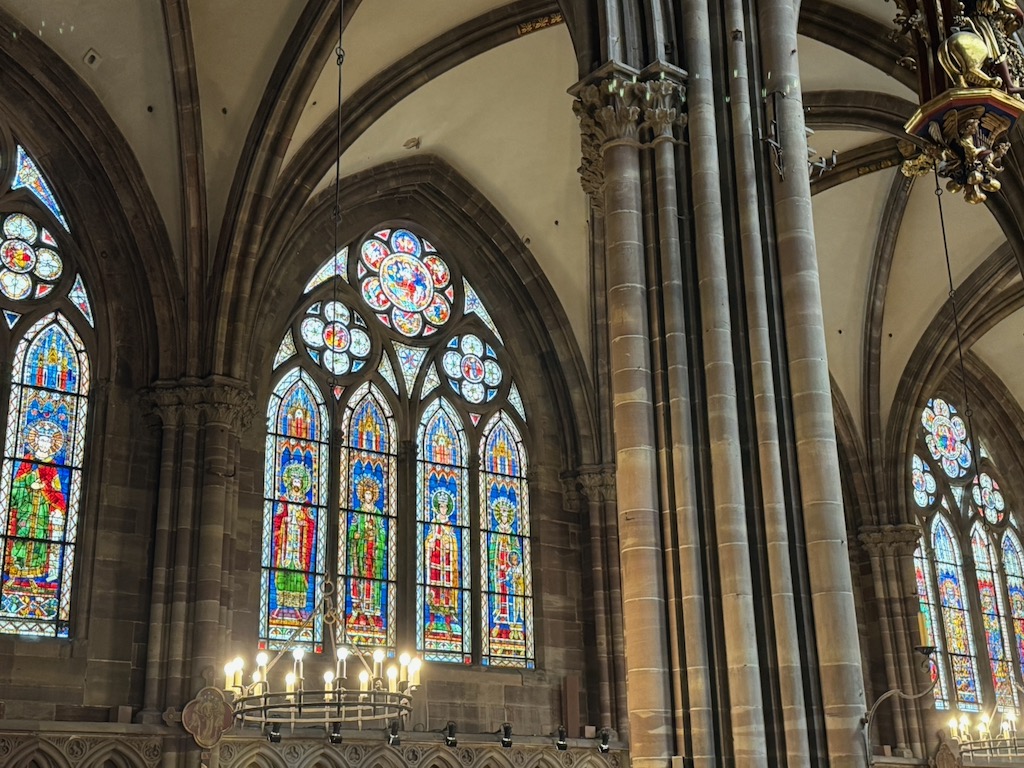
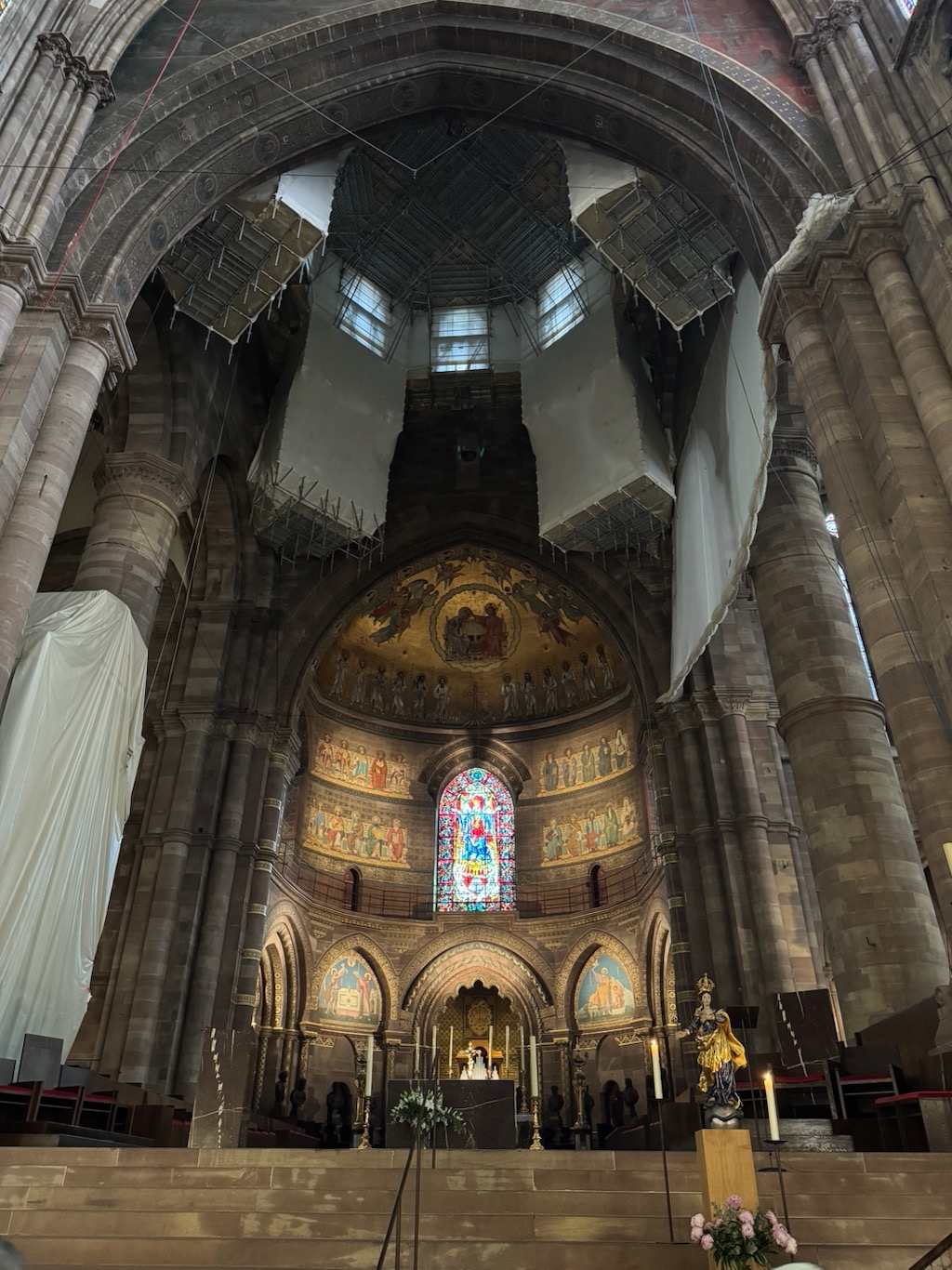
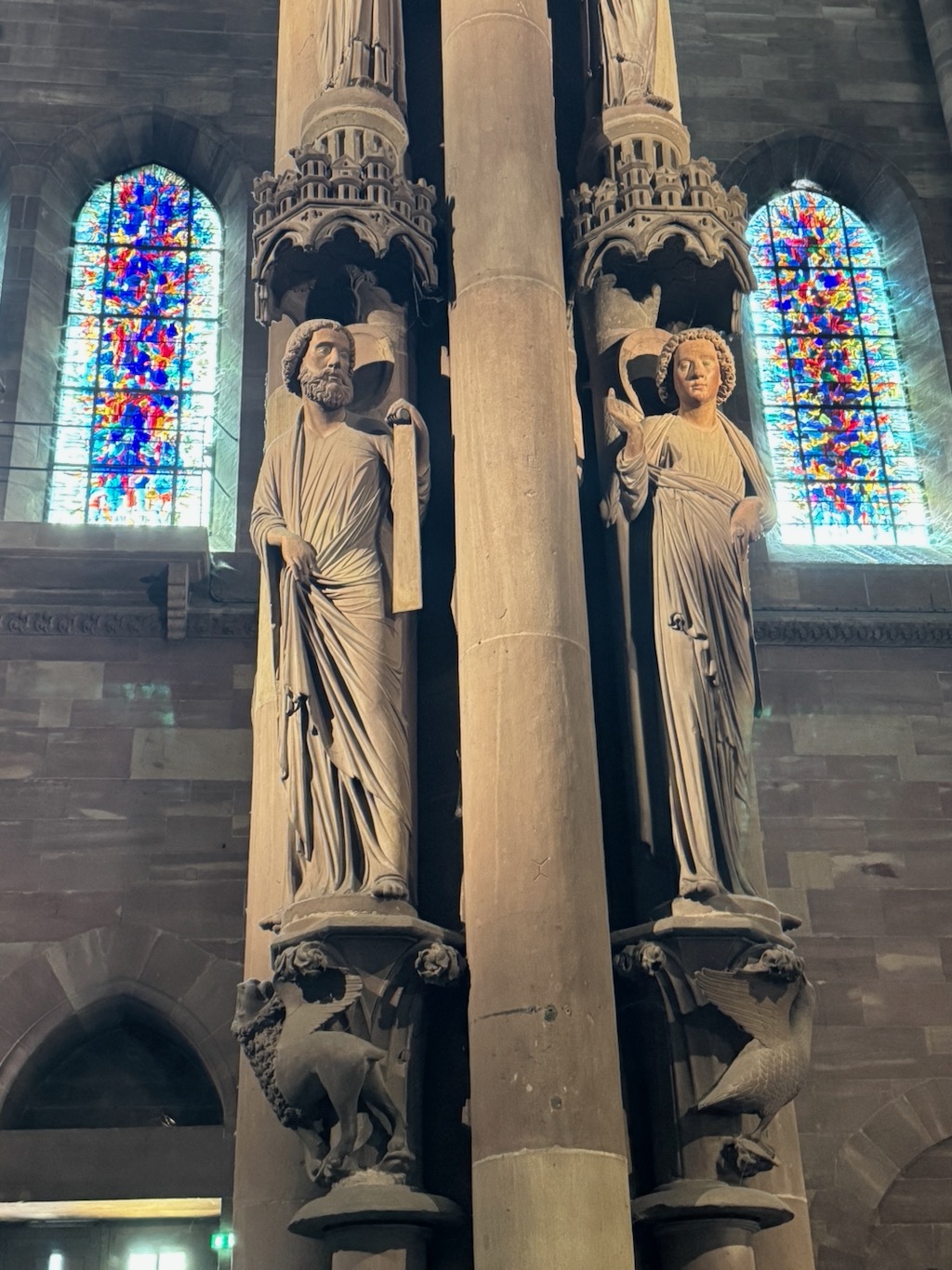
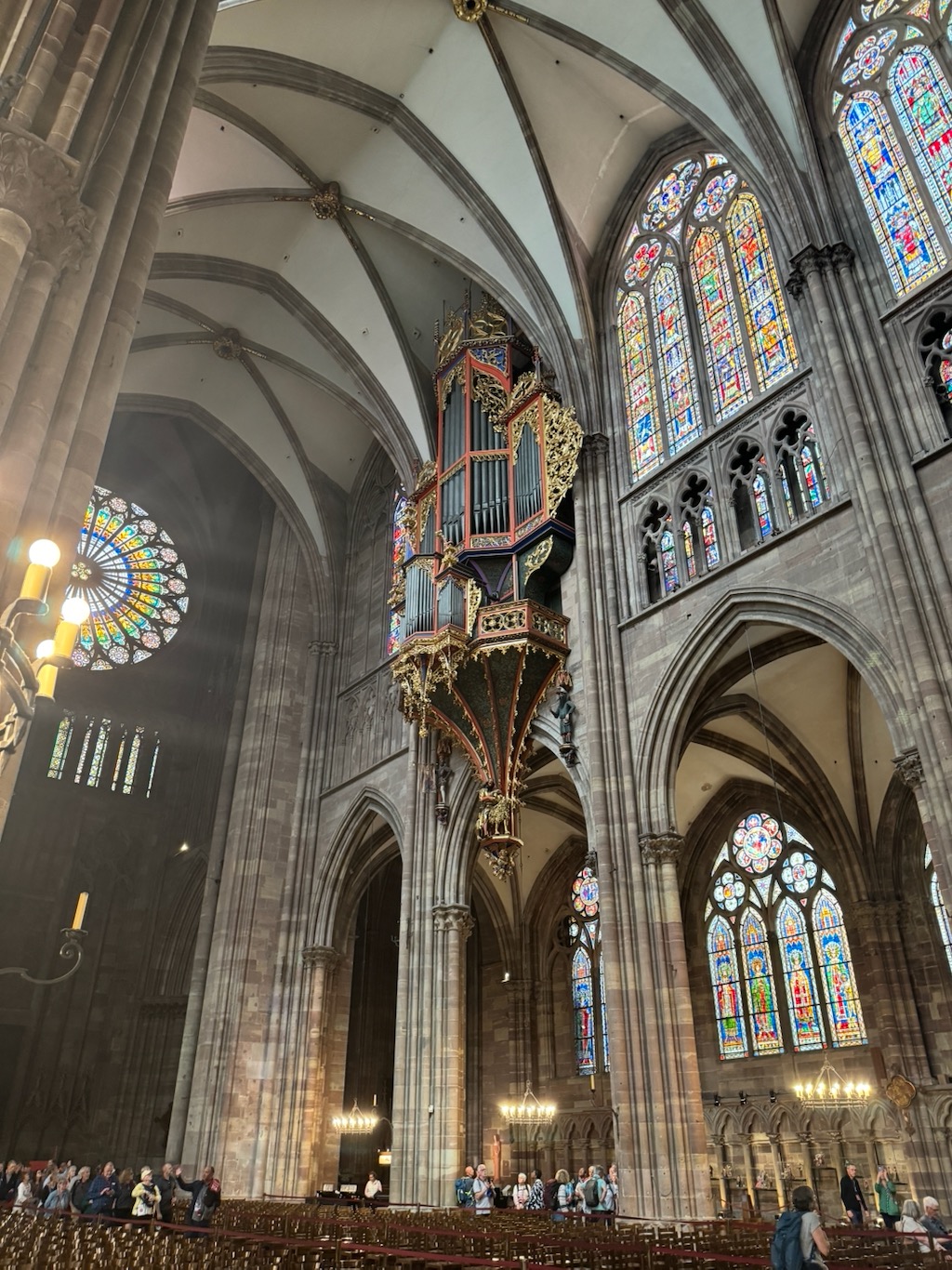
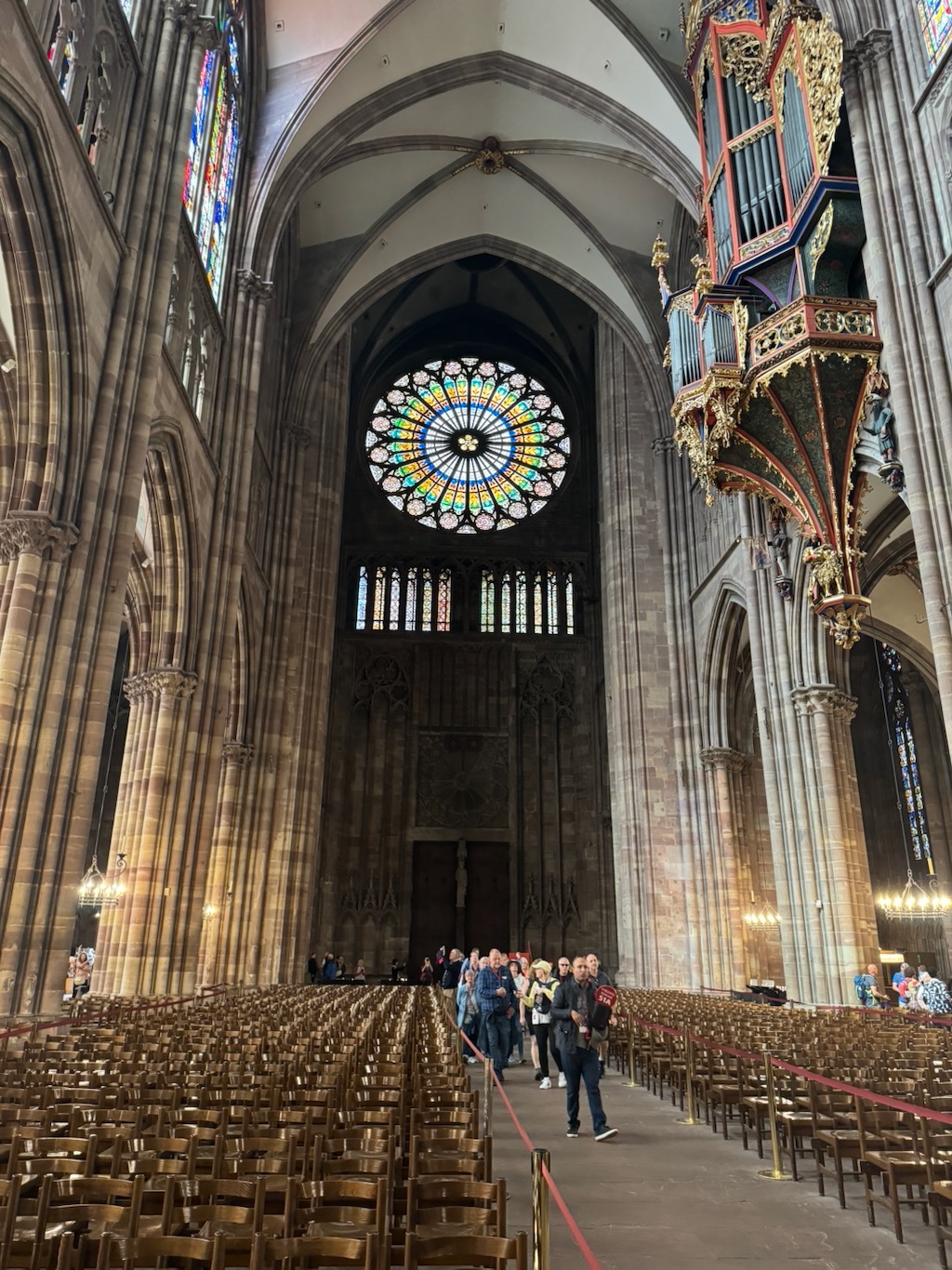
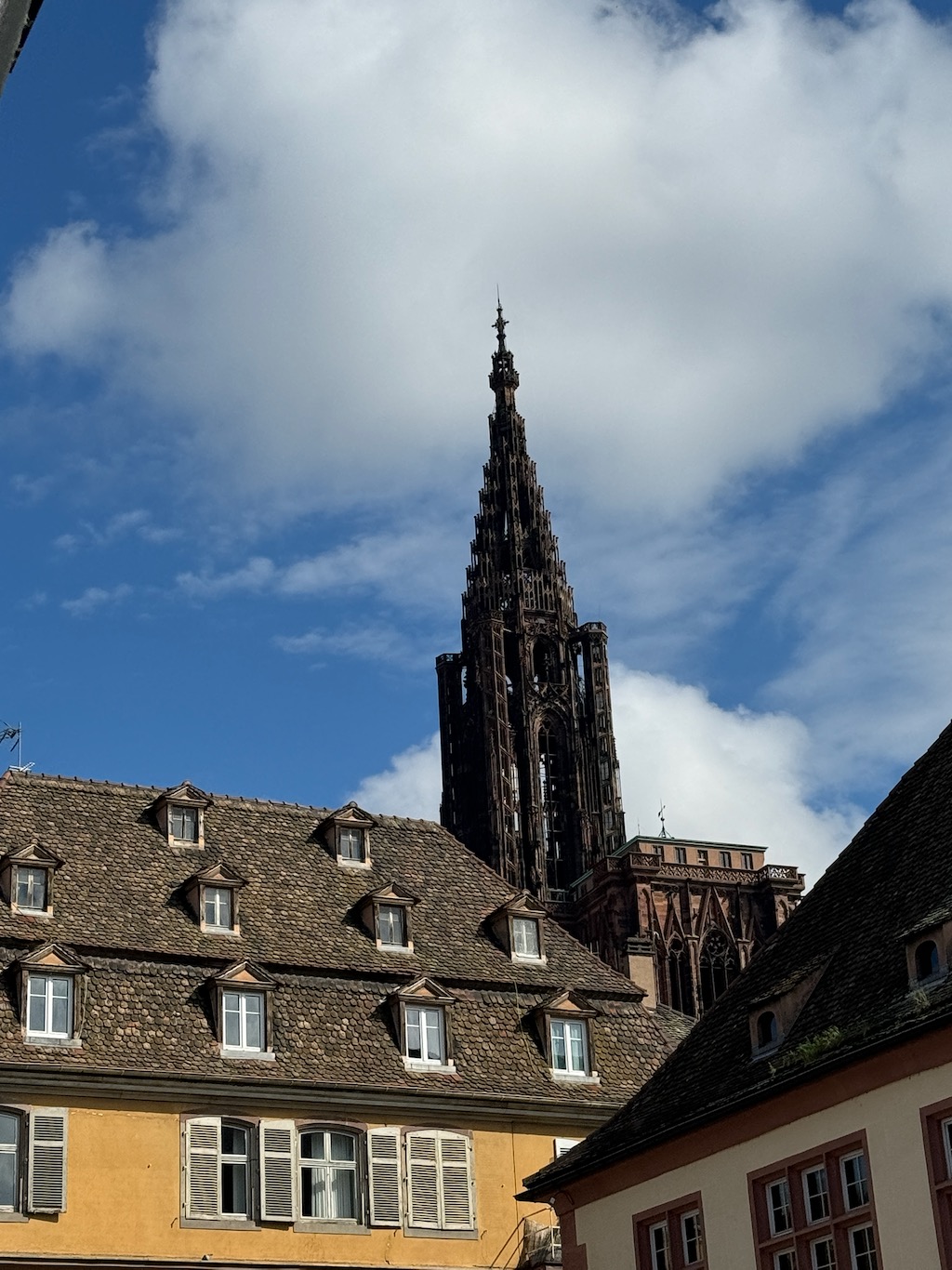
Today we stepped right off the ship and into town for a guided walking tour, our first stop being the Strasbourg Cathedral. For 227 years, it held the title of the tallest building in the world. Builders began construction in the year 1015—that date alone feels almost impossible to grasp—and craftsmen continued modifications and additions all the way through 1874. Designers originally planned two towers, but builders completed only one, giving it its distinctive silhouette.
Strasbourg Cathedral
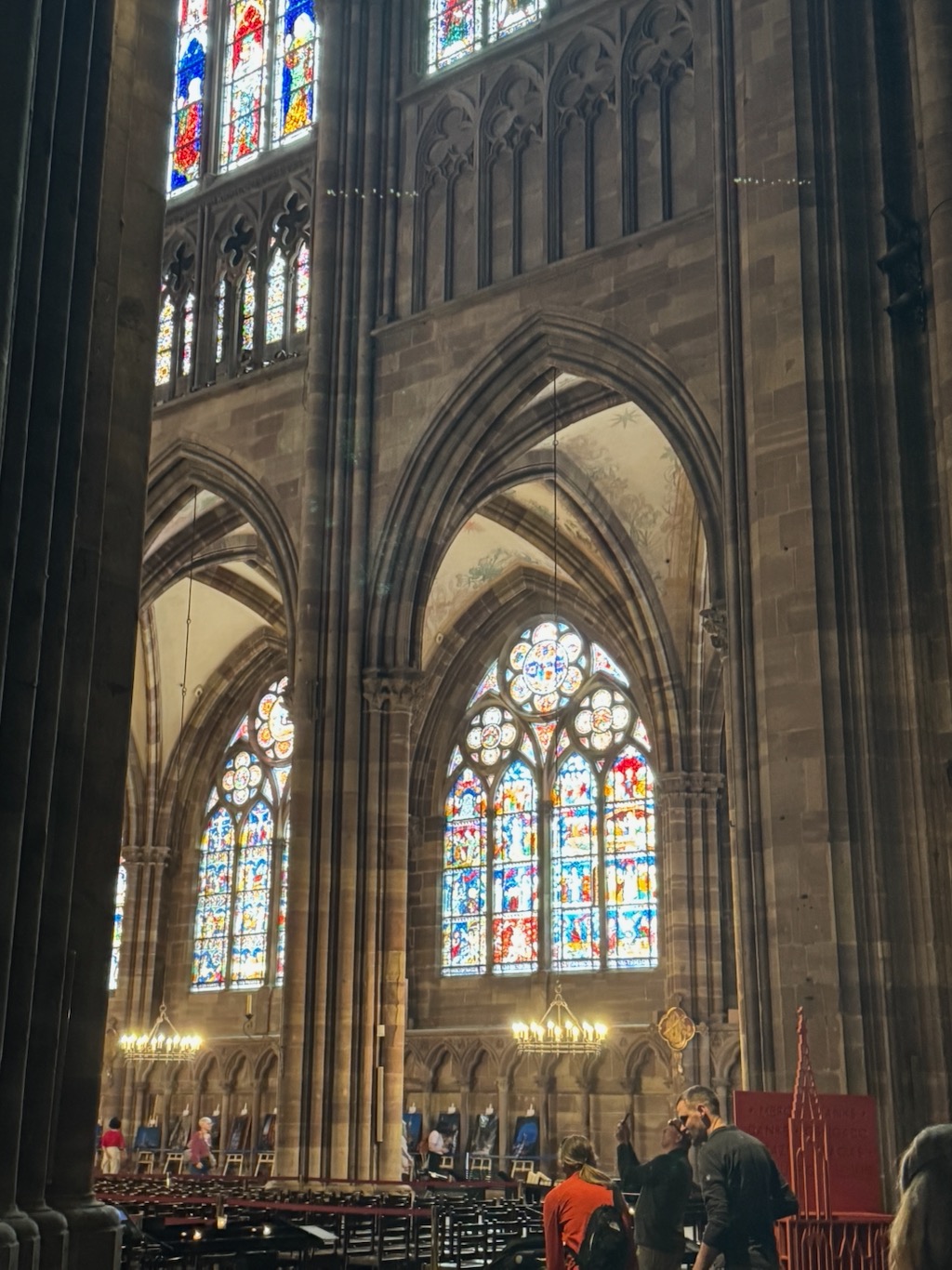
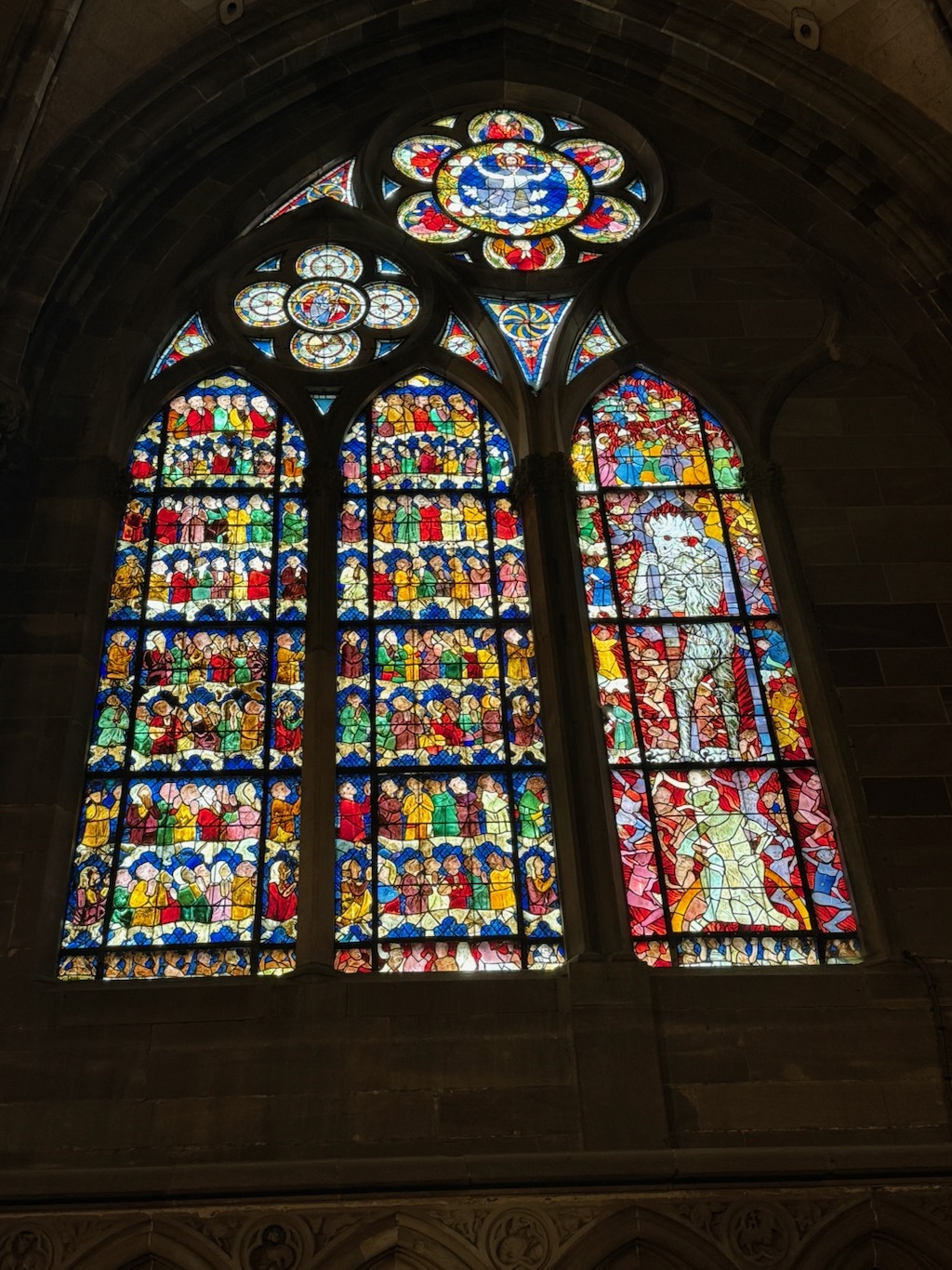
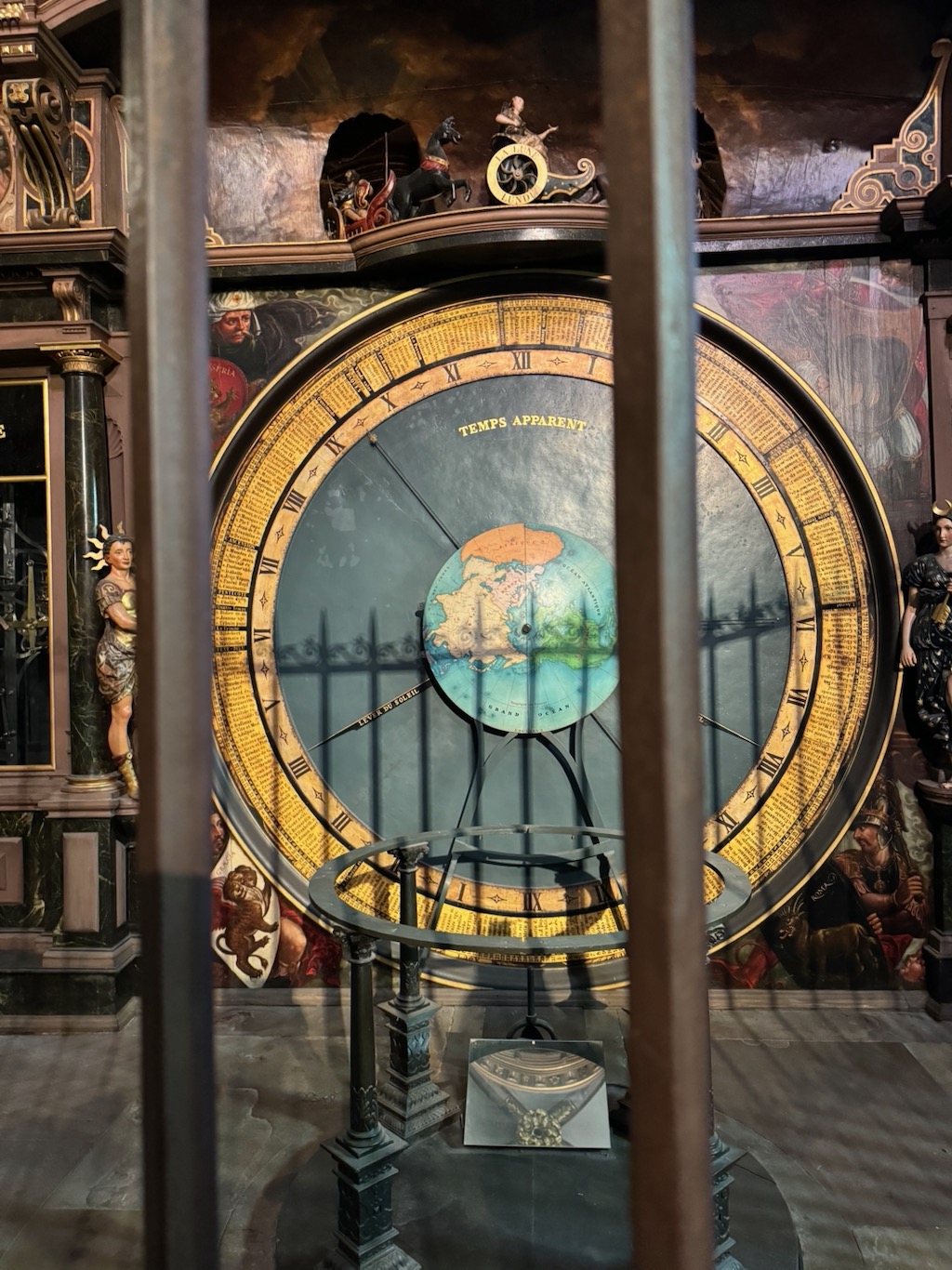
Inside the cathedral, beyond the remarkable stained glass, we encountered something entirely unexpected and mesmerizing: the Astronomical Clock (Horloge astronomique). At first glance it feels almost theatrical—moving figures, sound, and motion—but this is no decorative novelty. It is a fully functioning scientific instrument, completed in 1843 and still operating today.
Our timing made the experience even more extraordinary. By pure luck, we arrived at the exact moment the clock came alive. Standing directly in front of the towering structure, we could take in its full scale, even if only certain elements of the animation were visible from where we stood.
What makes the clock even more remarkable is that it is actually the third astronomical clock built on this exact spot, continuing a tradition that stretches back nearly 700 years. The structure itself is immense—about 59 feet tall, roughly the height of a six-story building, and nearly 18 feet wide—filling an entire wall of the cathedral’s south transept. Standing in front of it, you quickly realize photographs don’t convey its scale.
The clock does far more than tell time.
It tracks solar and sidereal time, the phases of the moon, planetary movements, and a perpetual calendar that accounts for leap years and long-term shifts—all powered by intricate mechanical systems designed in the early 1800s. Around midday, it runs an animated sequence in which figures representing the stages of human life pass before a skeletal figure of Death, Apostles process past a seated Christ, and a rooster marks the passage of time. From our vantage point, we observed a child figure—a little girl in a dress—passing the skeleton and ringing the bell. It was a brief glimpse into a much larger, carefully orchestrated performance. The fact that this complex mechanism still works, day after day, is astonishing.
Wandering Through La Petite France
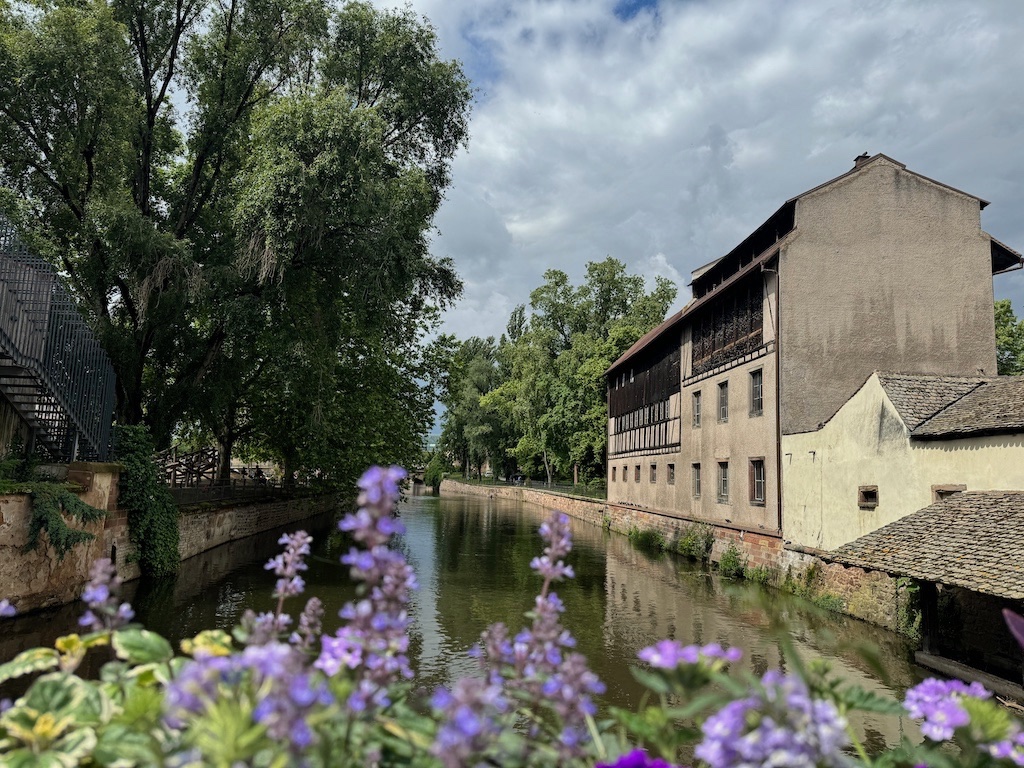
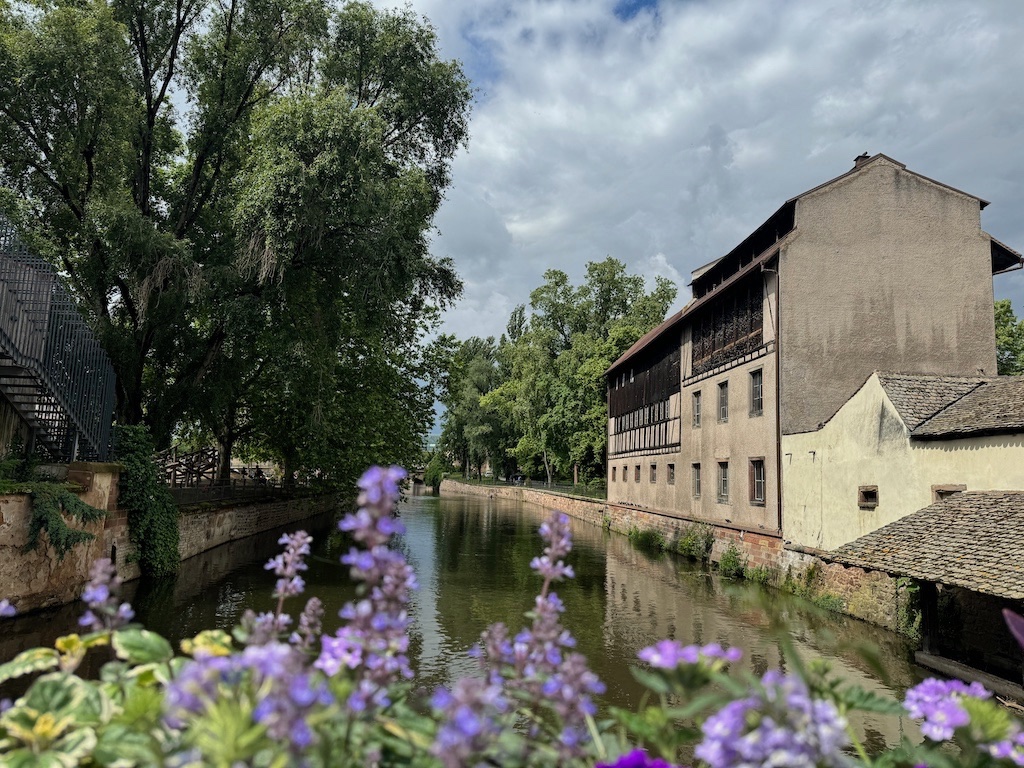
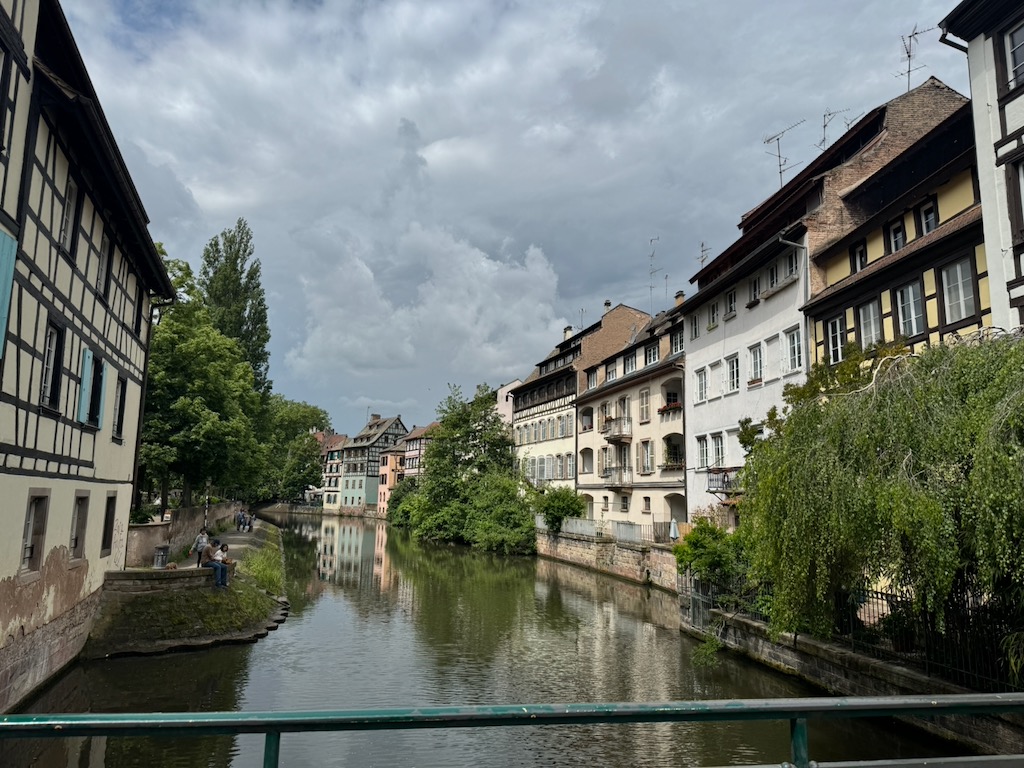
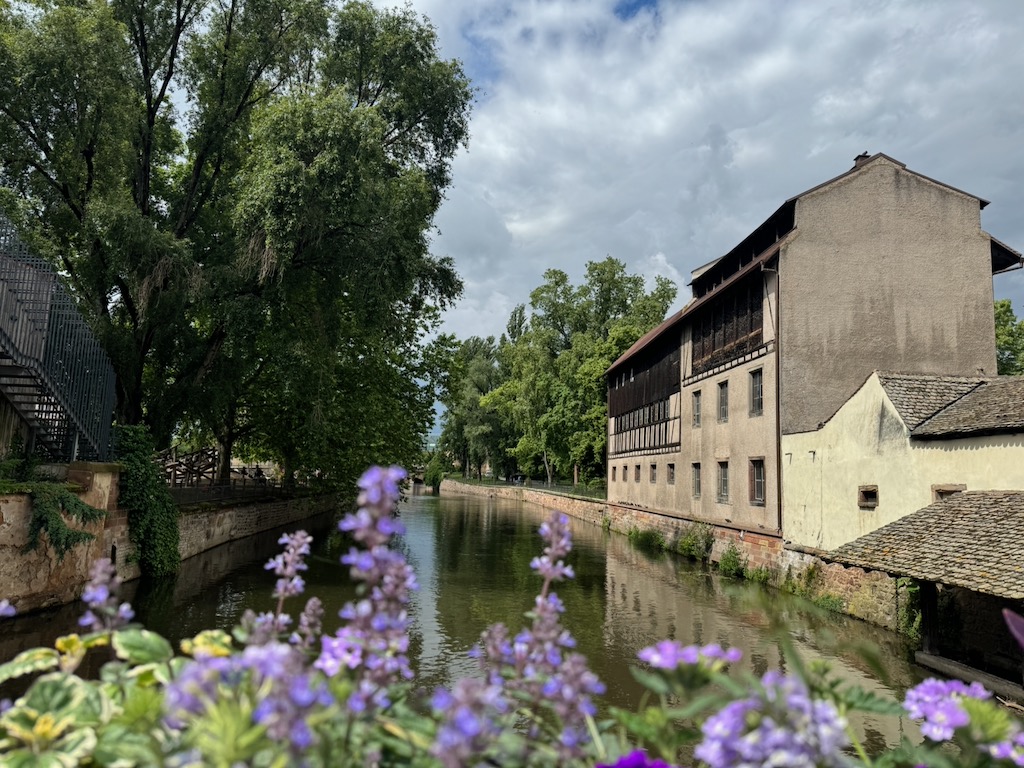
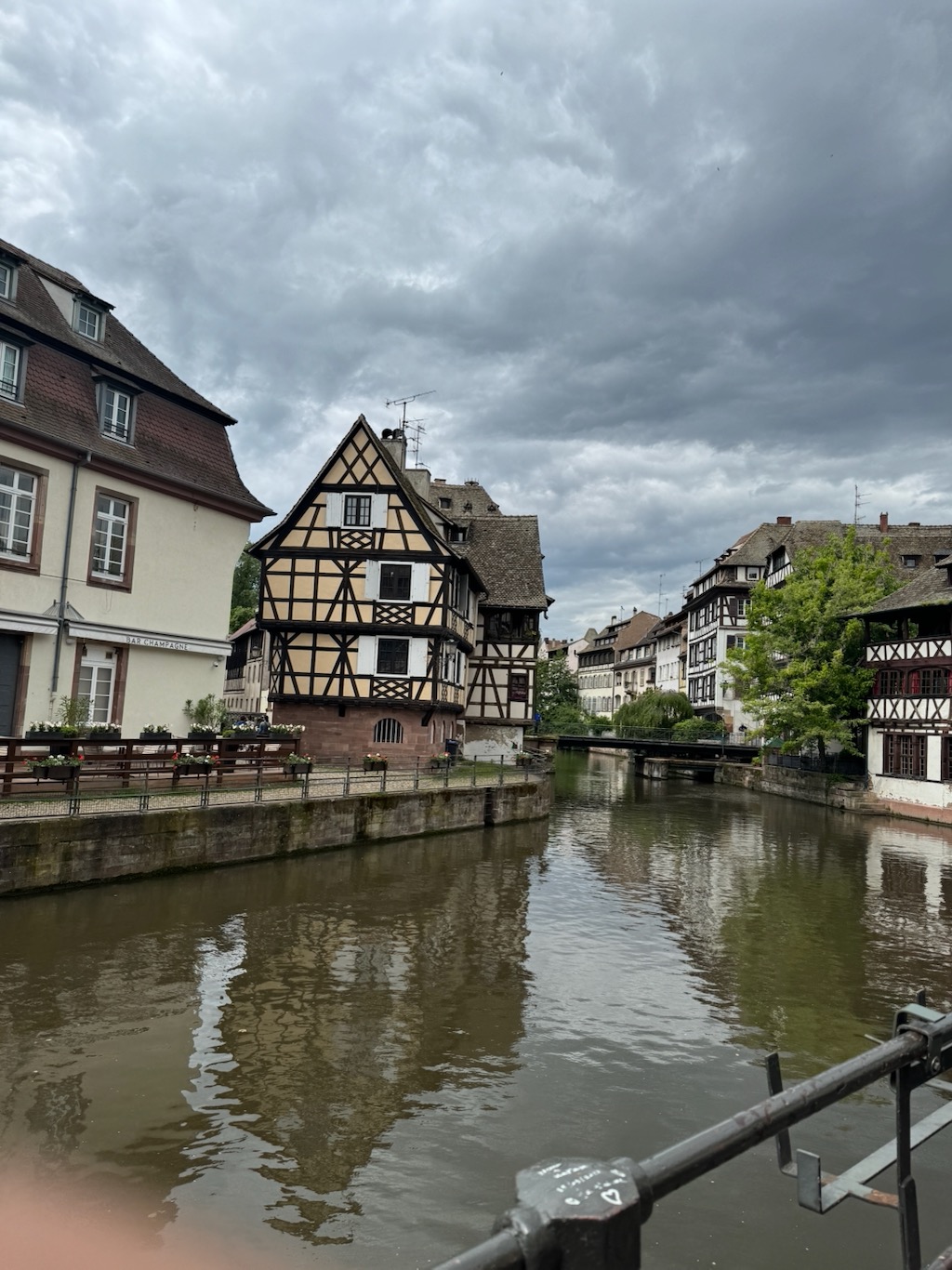
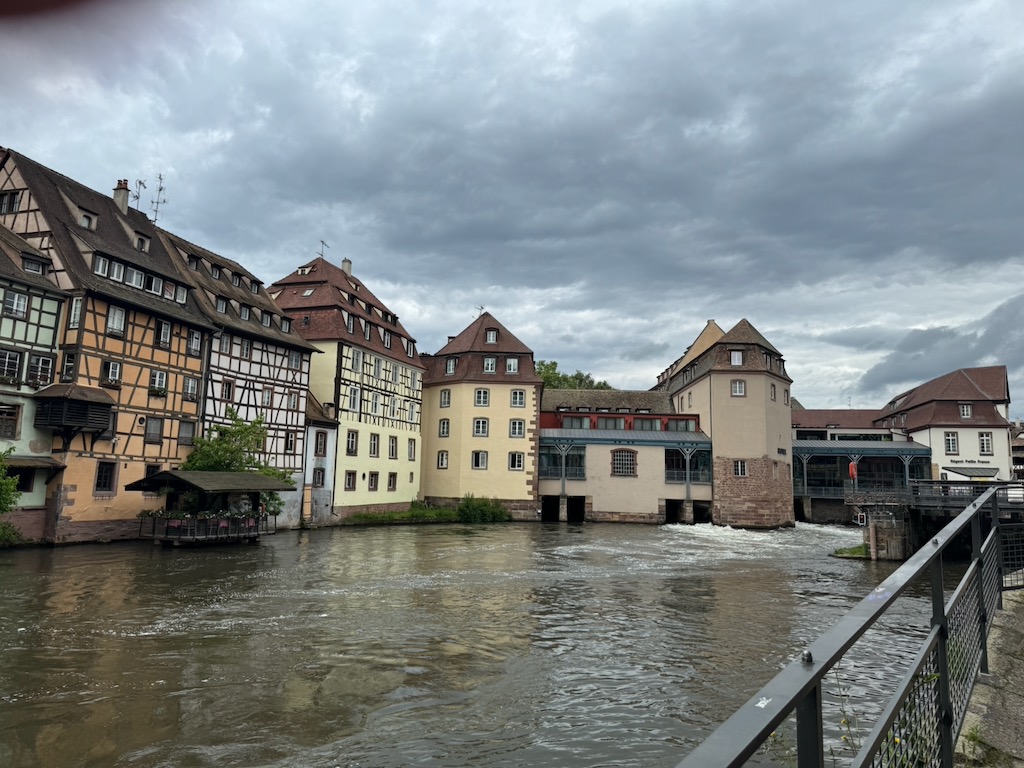
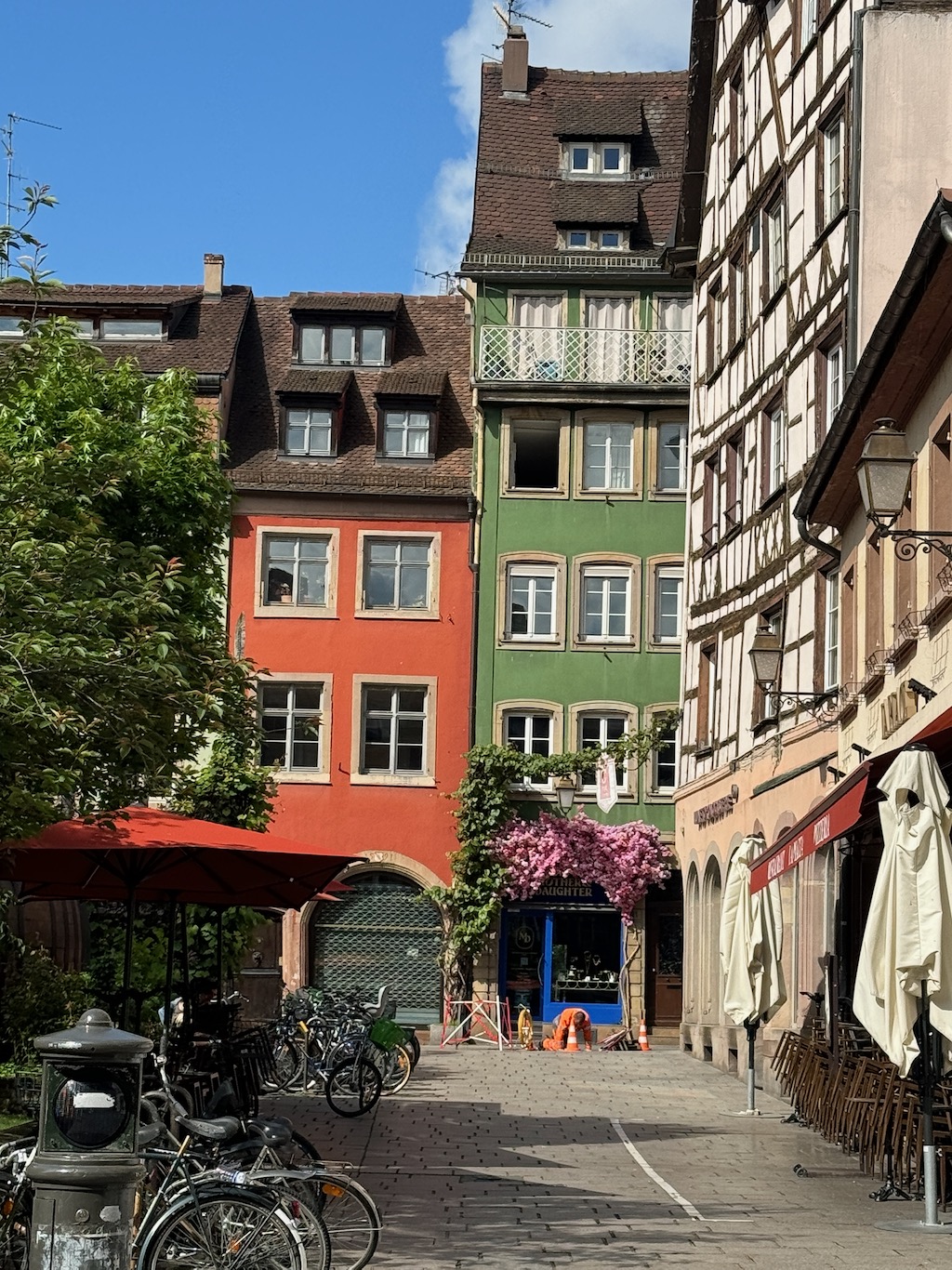
As we continued our walking tour, we learned how Strasbourg—like many European cities—used canals for fortification, travel, and transport. One of the most beautiful areas we visited was La Petite France, where historic timbered buildings sit directly on the water. The reflections, the age of the architecture, and the spring flowers along the canals were so beautiful.
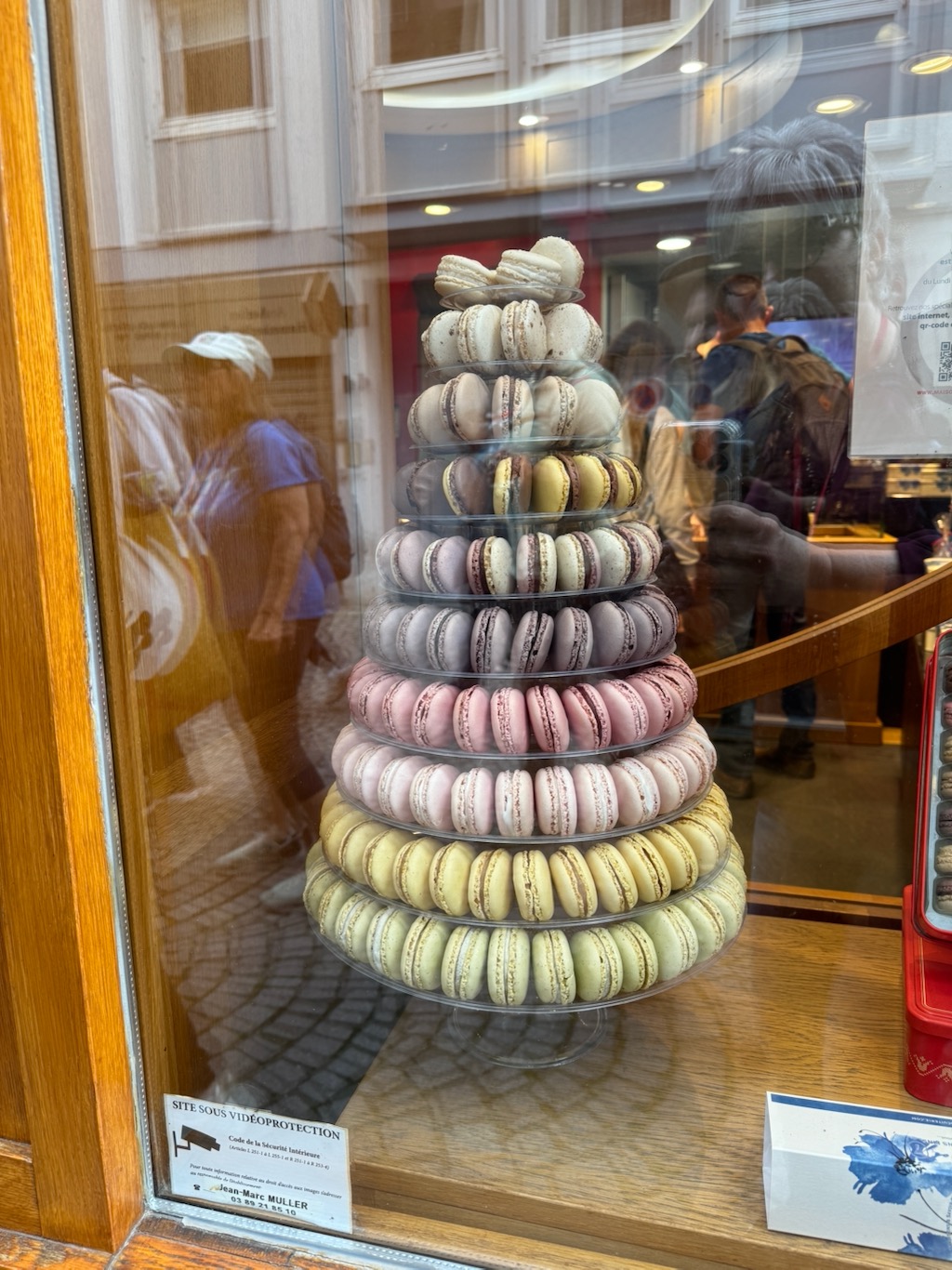
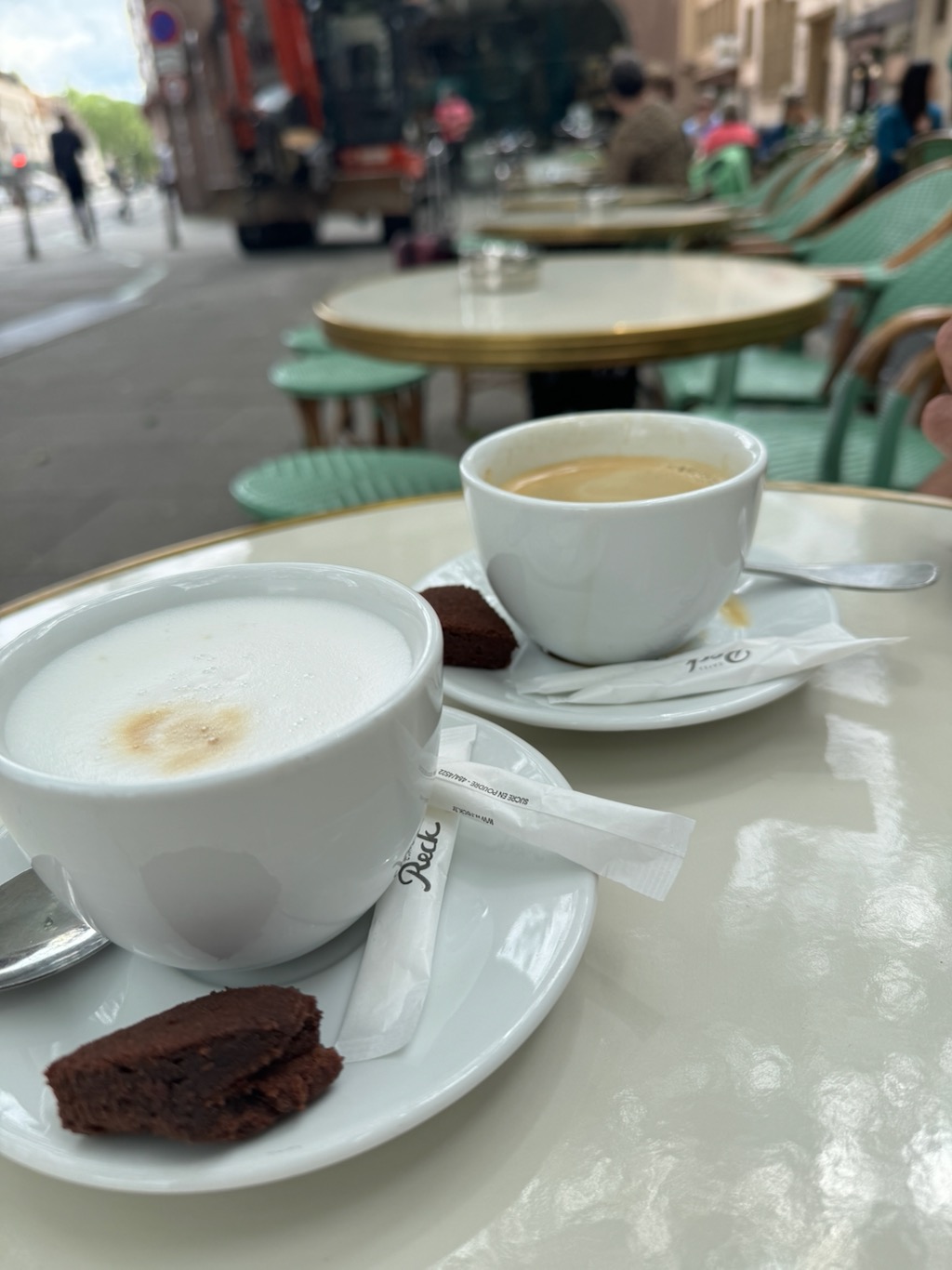
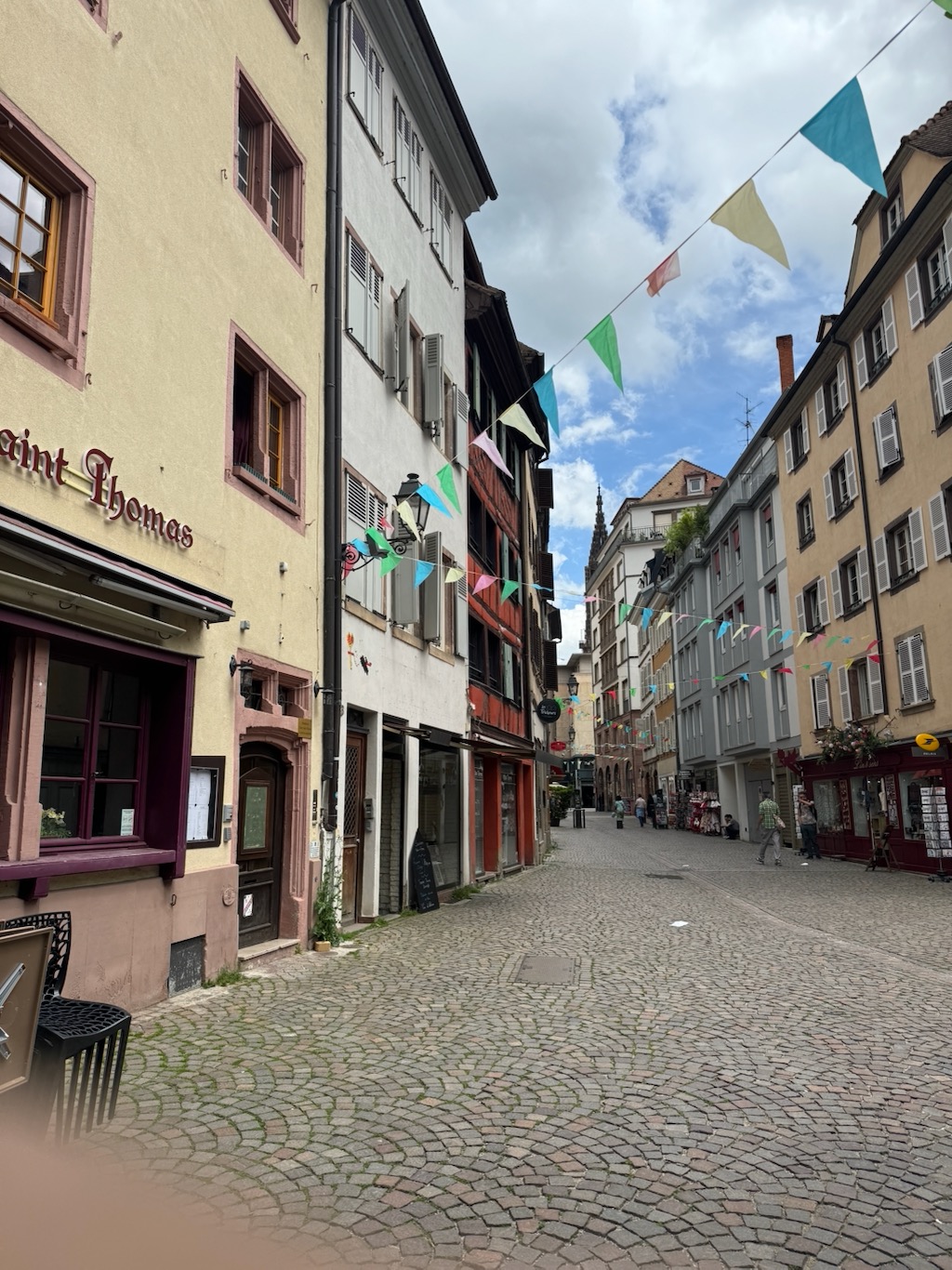
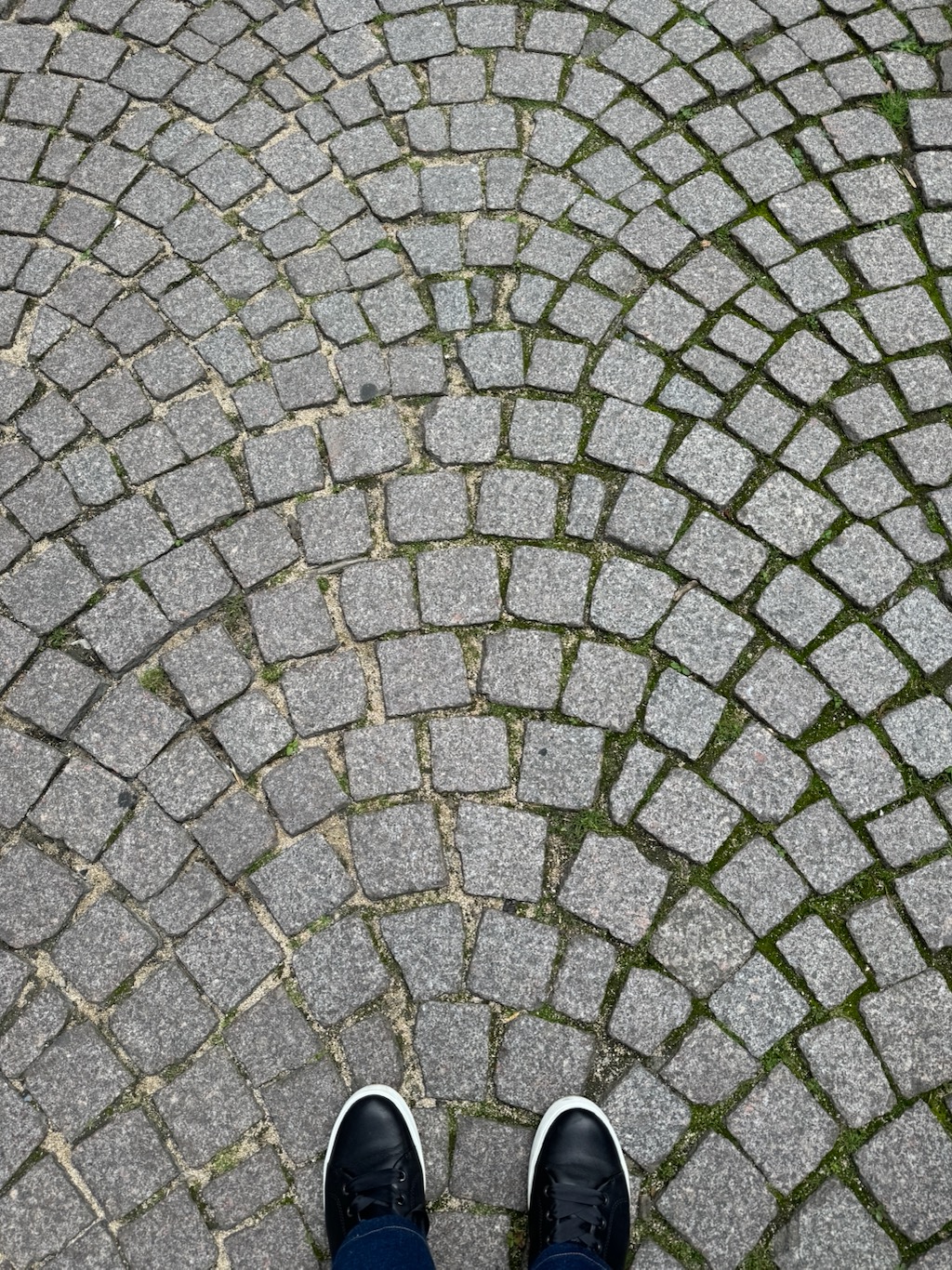
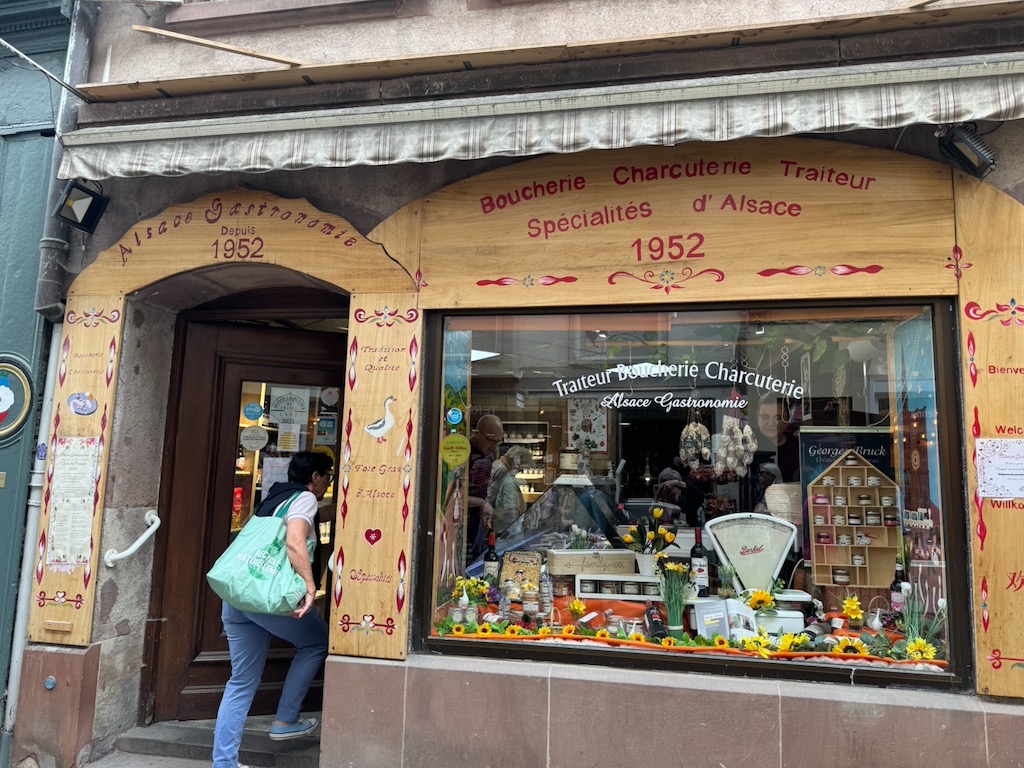
After the tour, we circled back through La Petite France for window shopping and lunch. The Viking River Cruises guides were exceptional—we learned that some even hold PhDs, which explains the depth and richness of the storytelling throughout the day. We ate right on the water at La Corde à Linge—which translates to The Clothesline, a reference to when laundry was once hung between buildings over the canals. Cobblestones underfoot, pastry shops everywhere, and of course, another cappuccino made for a magical day.
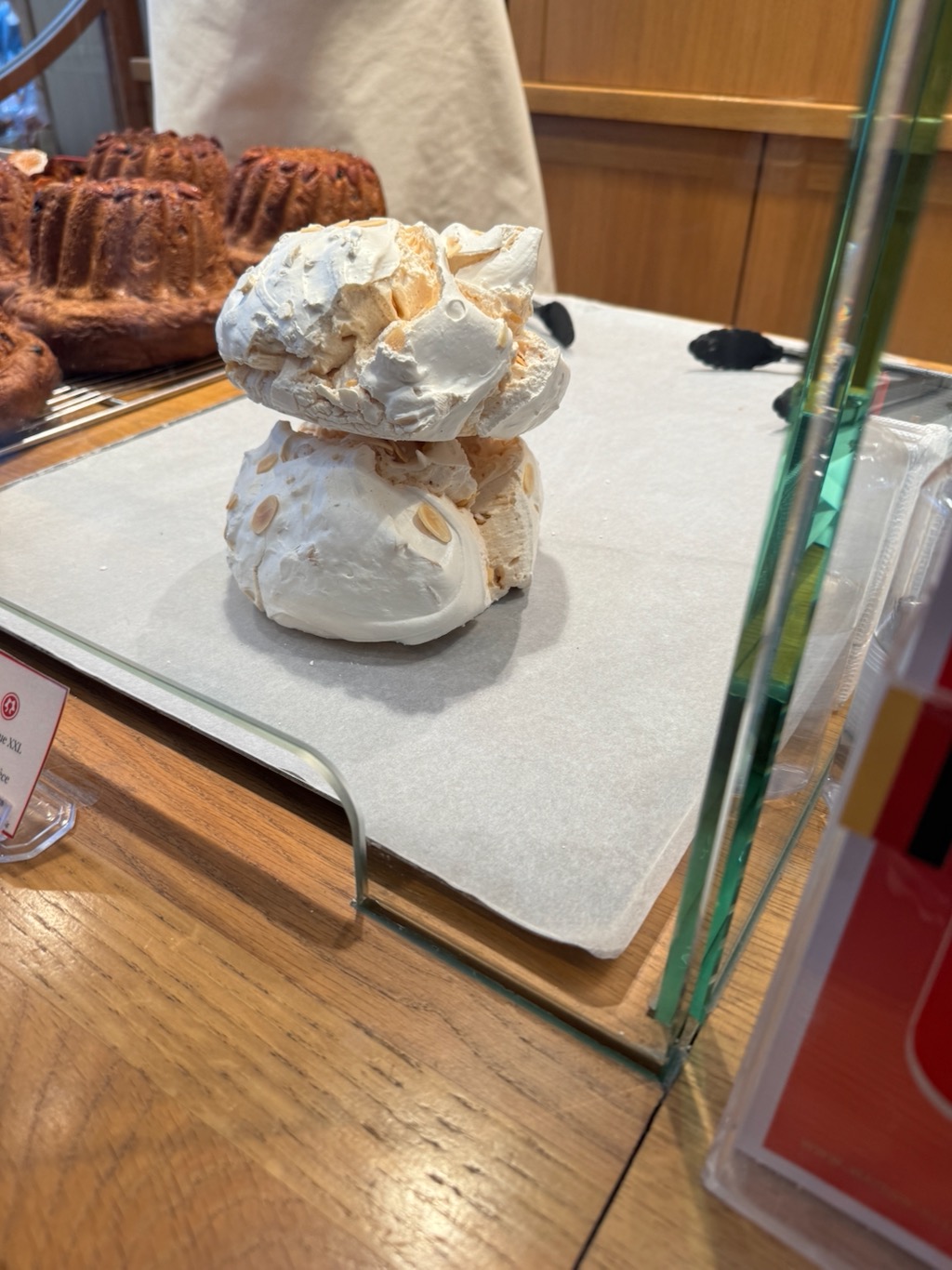
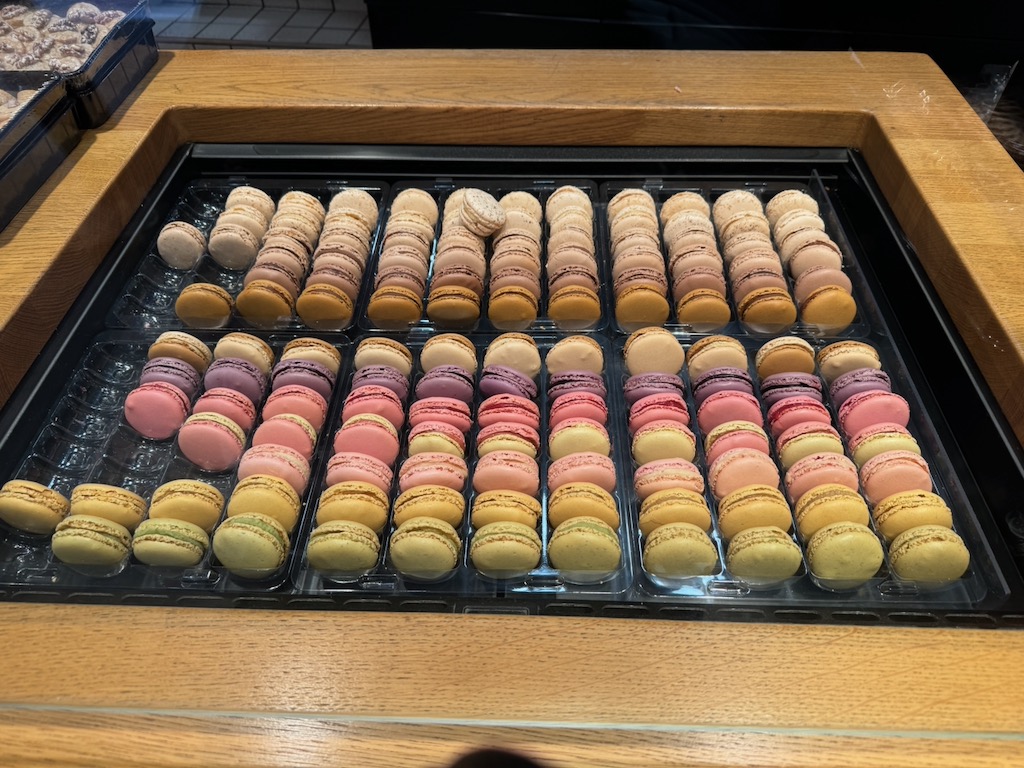
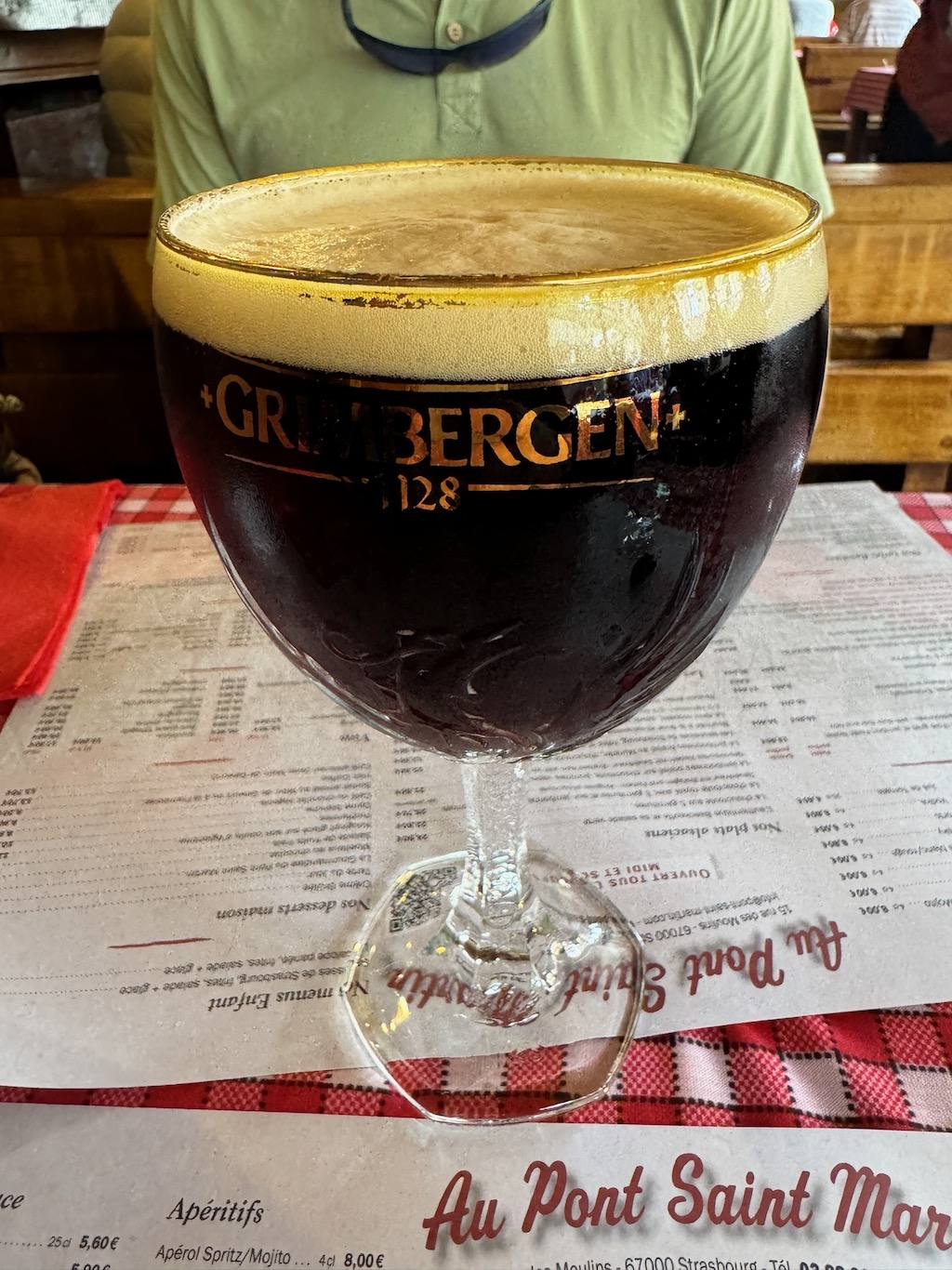
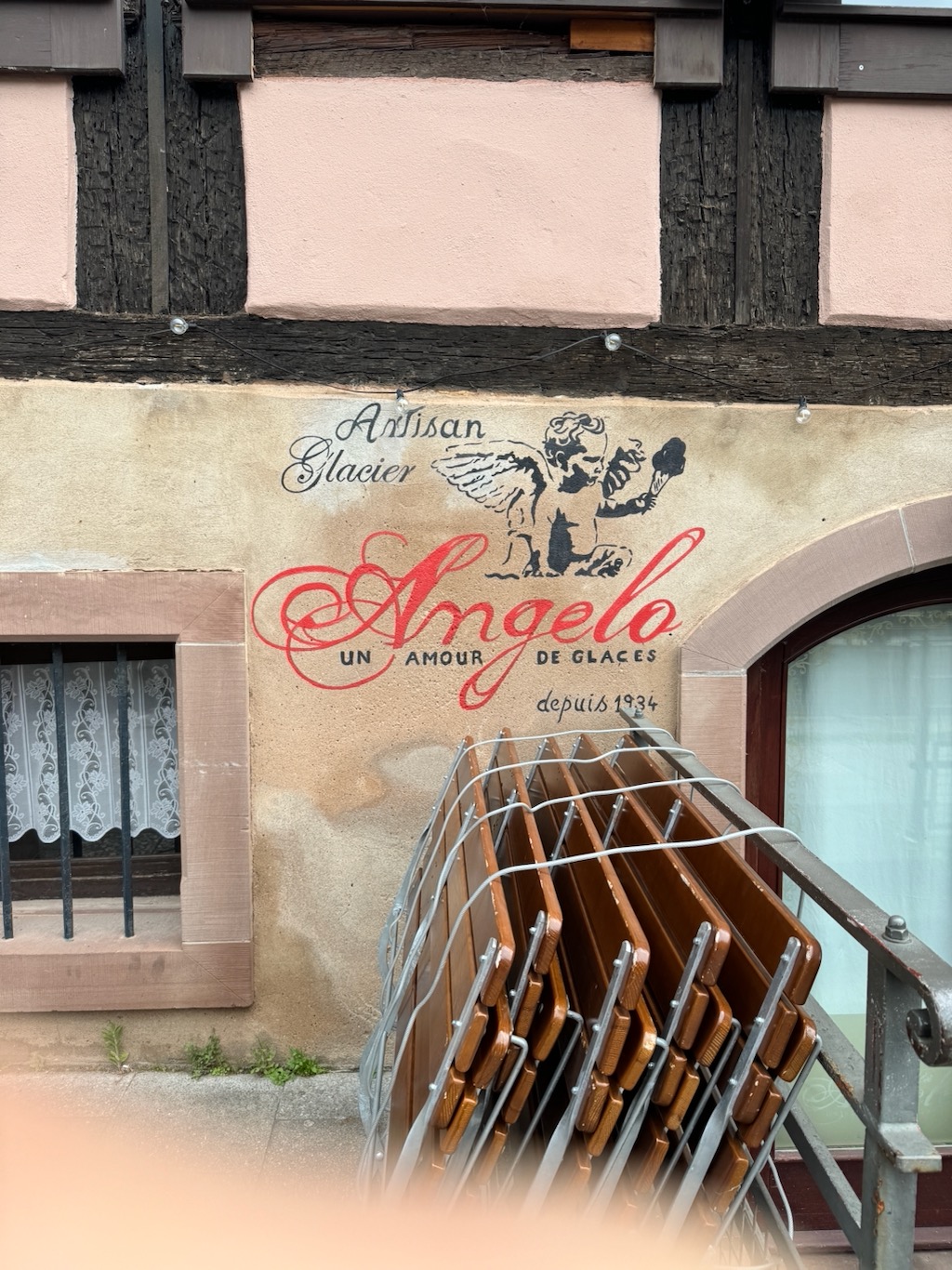
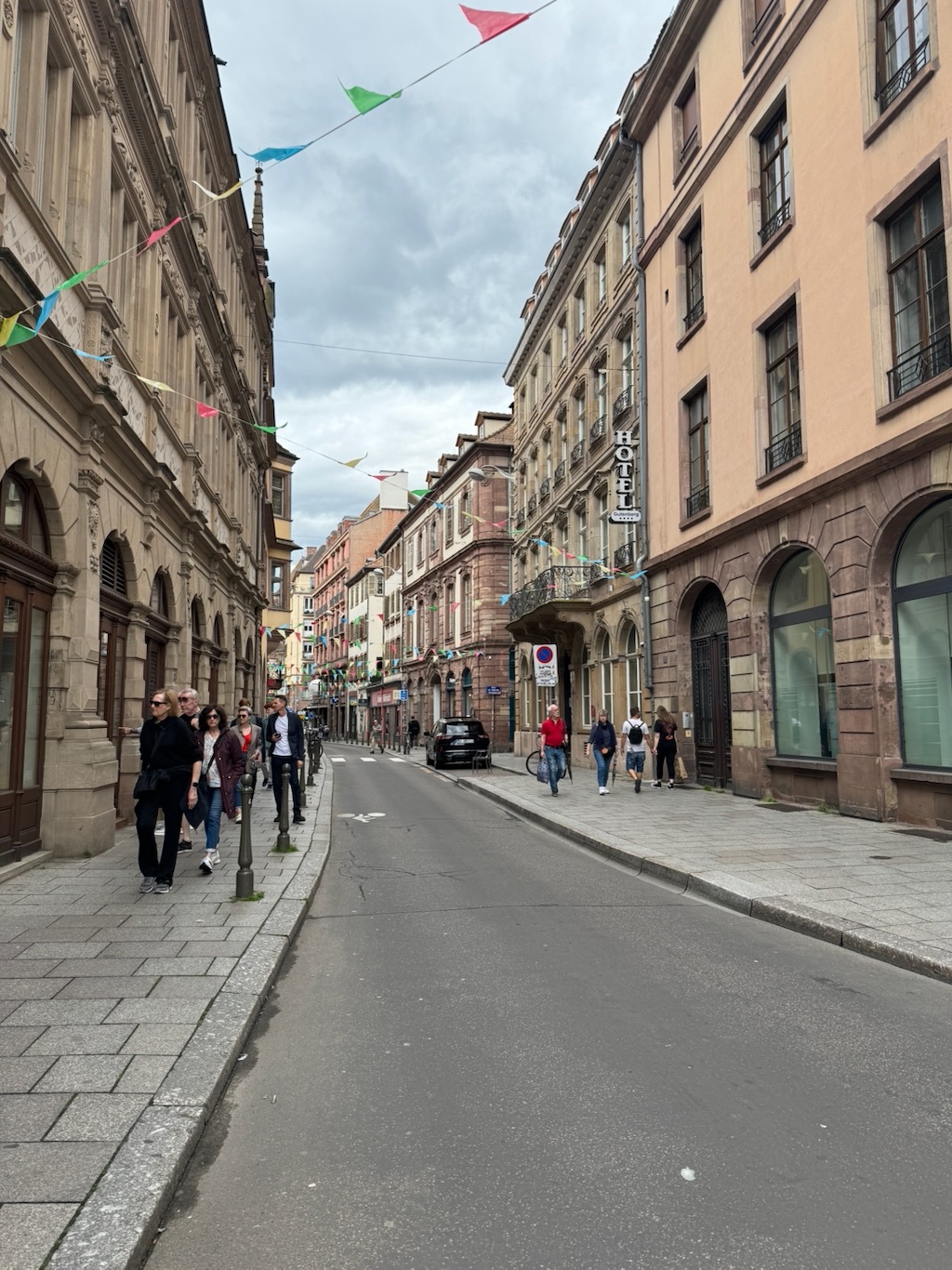
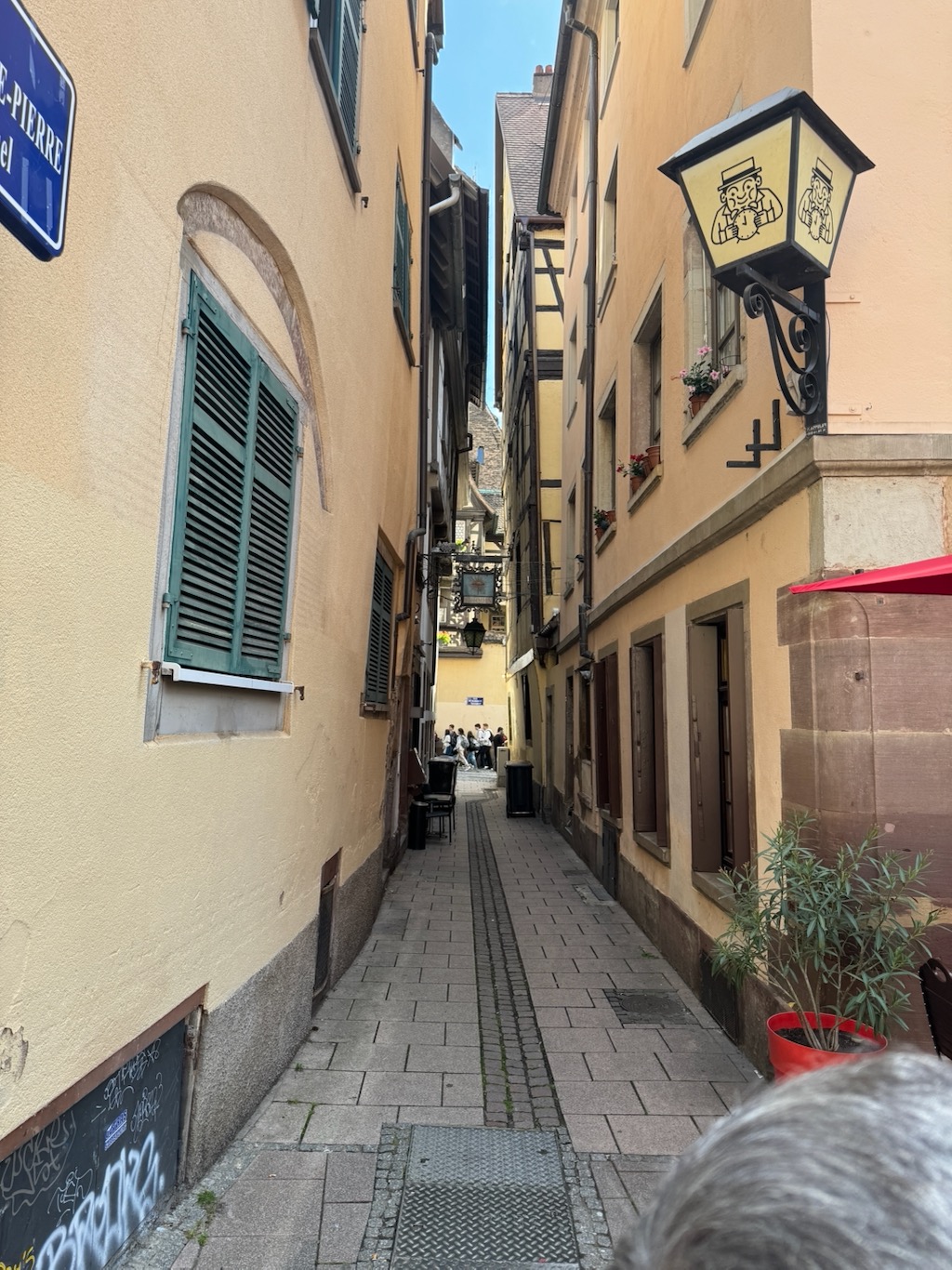
Here’s a scattering of pictures throughout the day. I’m sharing my favorites, but believe me (!), I took a lot more.
Click (or tap) any photo to open the gallery, see the full image, captions, and scroll through the set.
Back on Board for the Evening
Dinner on board followed a German theme. In the video below, you’ll see some of the wonderful friends we met along the way. We didn’t expect this, but the pace and intimacy of a river cruise made it easy to connect with people and actually get to know them. Conversations unfolded naturally, friendships formed, and by the end, I considered these new friends gems. That sense of connection is the single biggest reason we’ll book another Viking cruise—we genuinely loved the people we met. *Shout out to Reba and Randy, and Melinda and Marty.

Through a Lock
Later, the ship passed through a lock, and the video below shows exactly how the process works. We were astonishingly close to the wall, mere inches, as the ship slowly lowered. I’d always wondered about the mechanics of it, and it was fascinating to finally witness it in person.
As we passed through the lock, I couldn’t help wondering why it was built so narrowly—why the ship seemed to fit with only inches to spare.
Here’s why:
-
Water conservation: Every time a lock fills or empties, it releases a huge amount of water. Narrower locks use far less water, which is essential for keeping rivers and canals functioning, especially during dry seasons.
-
Structural strength: Narrow chambers are significantly stronger. The tighter the space, the better the walls can withstand the immense pressure created as water levels rise and fall.
-
Historical design: Many European locks were built centuries ago for much smaller vessels. Rather than rebuilding entire waterways, modern river ships are designed to fit those original dimensions almost exactly.
-
Stability and safety: A snug fit reduces turbulence and sideways movement as the ship lowers or rises, making the process safer and more controlled.
-
Practical limits: Widening a lock would mean massive reconstruction—often rerouting rivers or shutting down vital shipping routes—so the infrastructure remains, and ships adapt to it.
In other words, that heart-stopping closeness isn’t accidental. The lock is tight by design, and the ship is built to match it precisely. What feels dramatic in the moment is actually a sign that centuries of engineering, planning, and adaptation are still working exactly as intended. Gotta love technology.
The video is long, about 10 minutes, but it captures the full experience. Never mind the chatter in the background—this is raw footage.

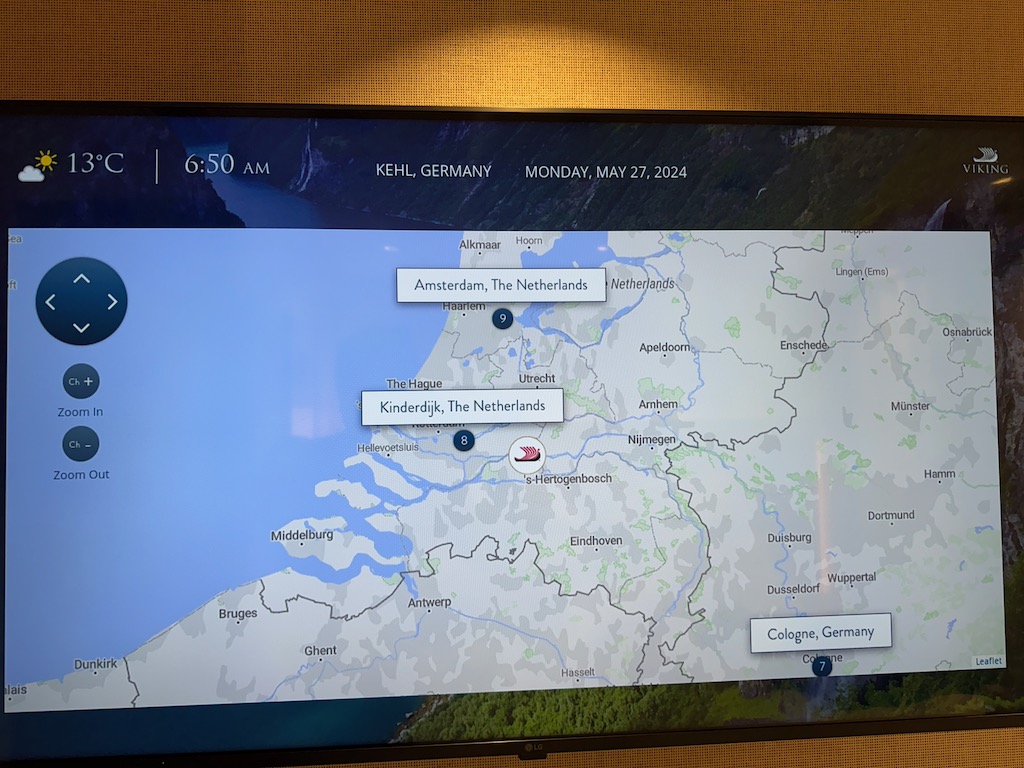
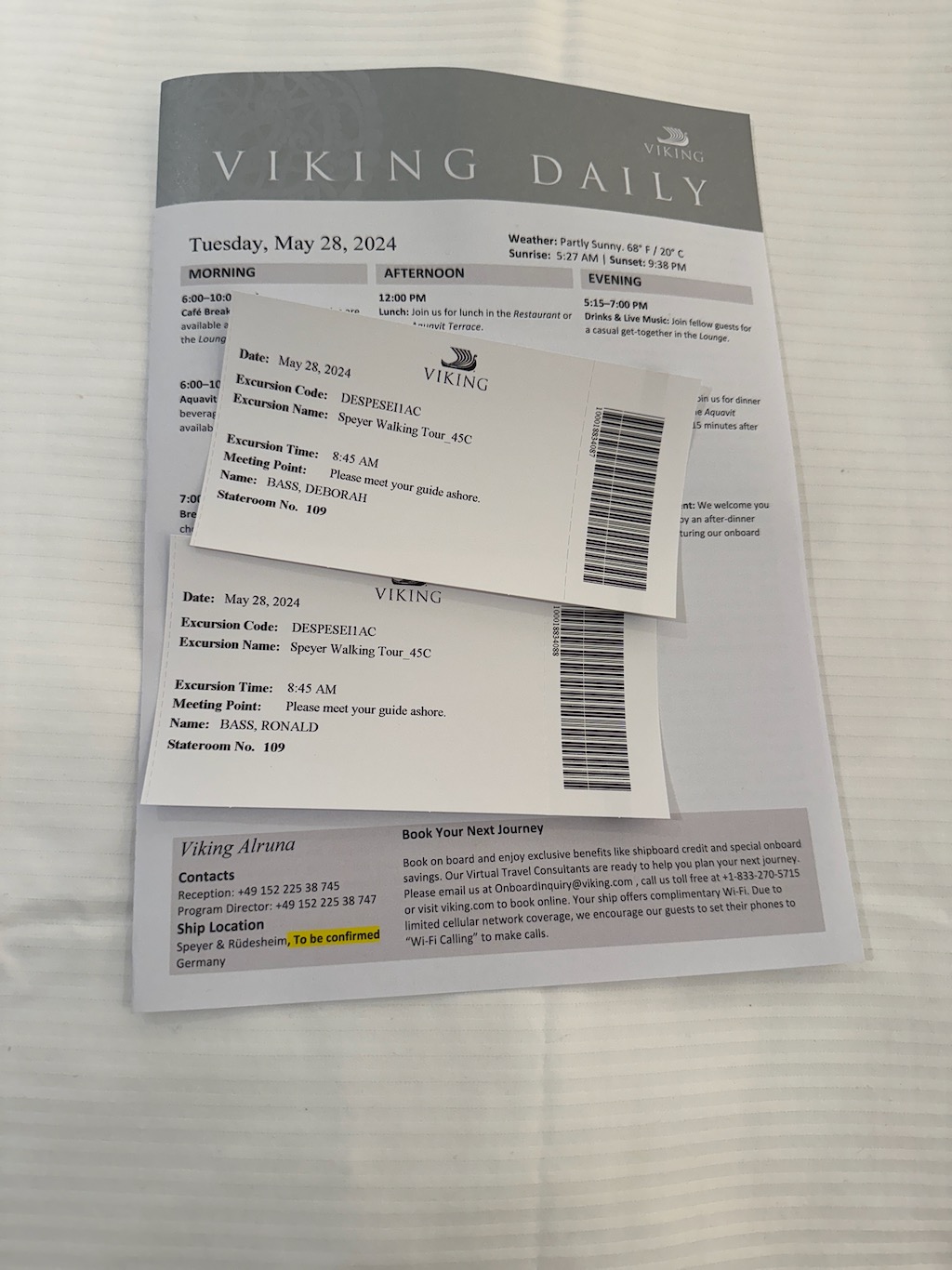
I can’t say enough praises about Viking River Cruises. Every morning our television displayed our location. And every evening our bed was turned down and our itinerary placed on it. Just one of the many amenities.
Click (or tap) any photo to open the gallery, see the full image, captions, and scroll through the set.
That’s a wrap for Day 10 of our 33 Days in Europe series.
Missed a day or just joining in? The full 33 Days in Europe series is right here.
Next Up – Day 11 of my 33 Days of Europe series
Tiny Streets and Tower Bells: Speyer & Rüdesheim
Gear I Recommend
See all my travel gear and essentials here: Things I Love & Recommend
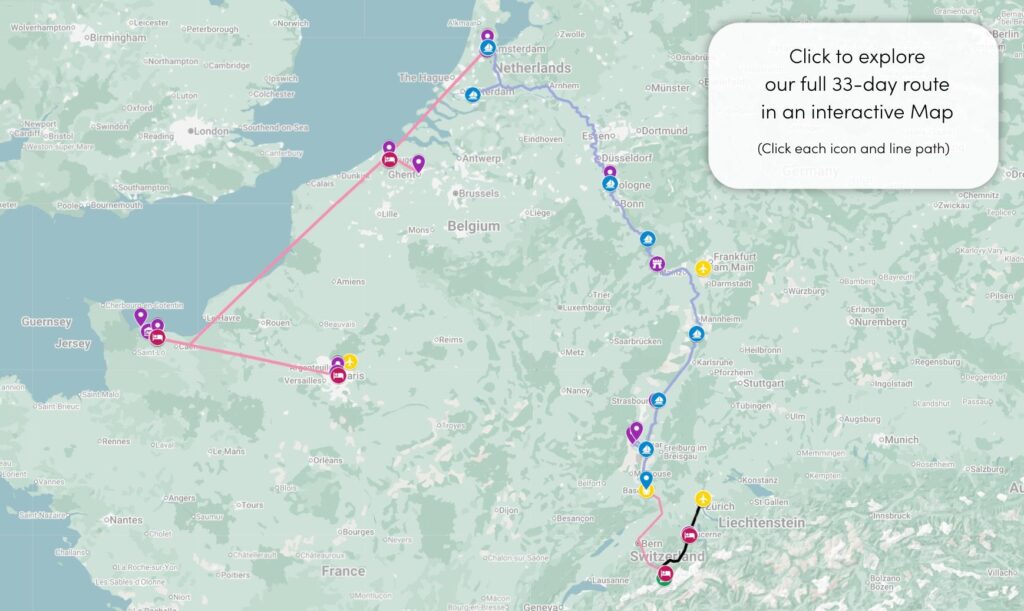
Detailed Map of the Entire Journey
Below is a visual summary of our full 33-day route—hotels, attractions, Viking cruise path and stops, as well as transit modes and paths—hiking, train, plane, gondola.
Click to explore the interactive version and wander through the journey pin by pin.
2 comments
Your photos are absolutely breathtaking. They reminded me so much of Beauty and the Beast that I had to Google whether Belle’s village was inspired by there. Here’s what I found: “Yes, the fairytale village in Disney’s Beauty and the Beast drew inspiration from several real towns in the Alsace region of France, particularly Colmar, with its charming canals (often called “Little Venice”), half-timbered houses, and cobblestone streets, alongside neighboring medieval towns like Riquewihr, and even areas within Strasbourg like Petite France.” Truly beautiful. I hope to experience it in person one day.
Christina, that is FANTASTIC information! Thank you for sharing. Guess what I’ll be watching tonight??? I’m thrilled that my pictures and post may inspire travel. I never imagined that traveling would become so important in my life. And yet, here we are. Oh, my gosh! I have so much more to share. This is just day 10 of this trip. And just this week I finished the final reservations for our trip this summer – 42 days Across Northern Europe. (See my homepage under the menu heading for Travel for our itinerary). I truly hope traveling is in your future, for it is life-changing. 🦋